Punctuate a cut to somewhere wooded
A screech on the cut has enough attack to work as the transition itself. Where a hoot settles a scene, a rasp jolts it, so pick by which one you want.
Edit prompt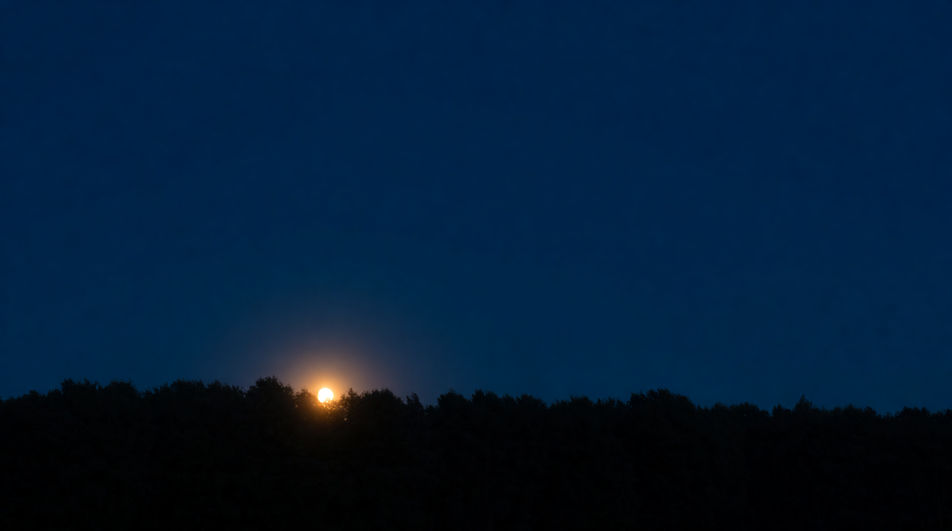
Hoots, screeches, and the calls that answer from further into the trees. Name the species and distance and Morphic makes the owl you need.
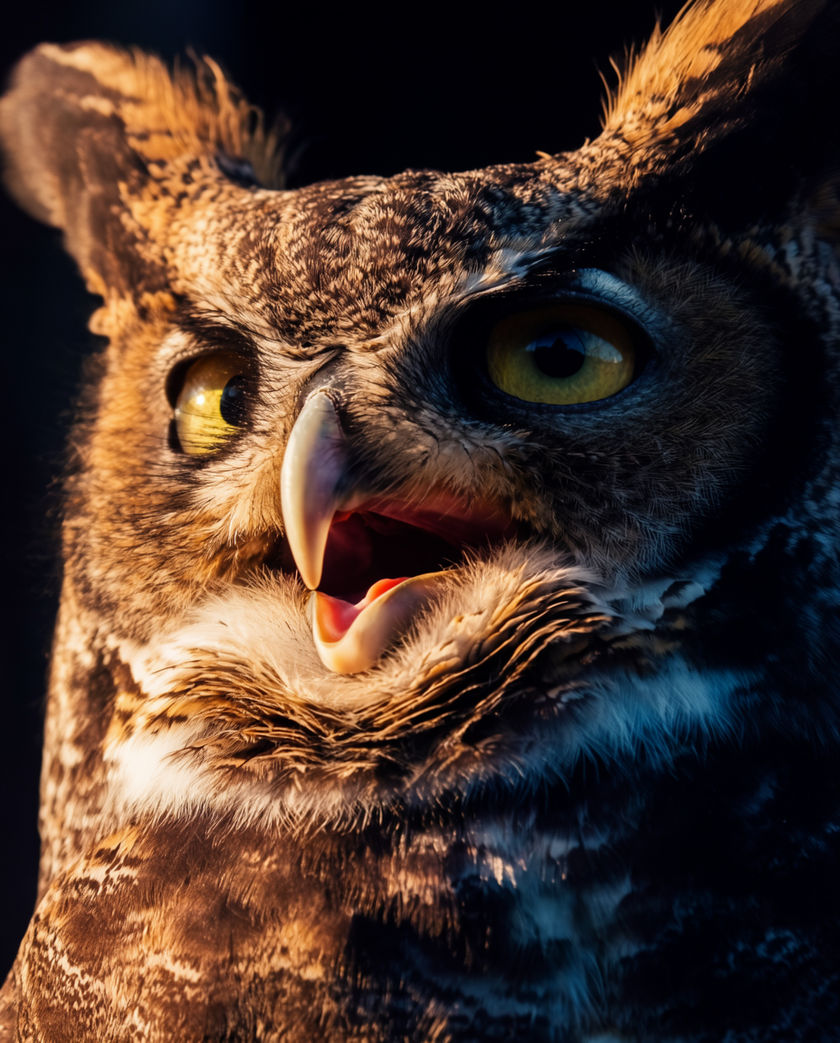
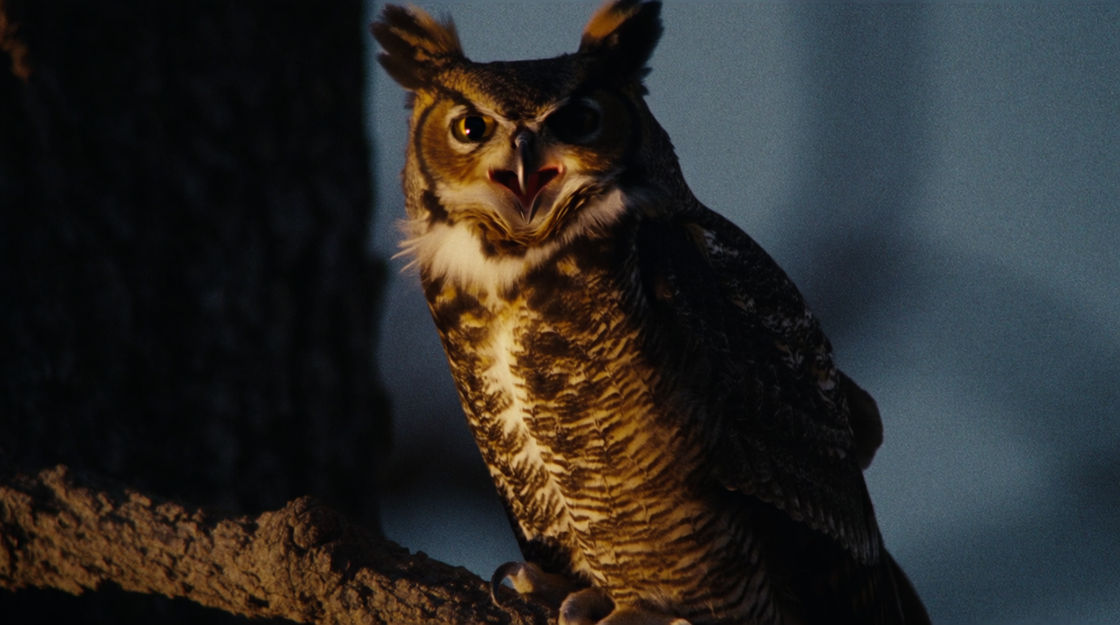
The four-note call most people picture. Low, breathy, and rounded, with even spacing between the notes, which is the part a generic hoot usually gets wrong.
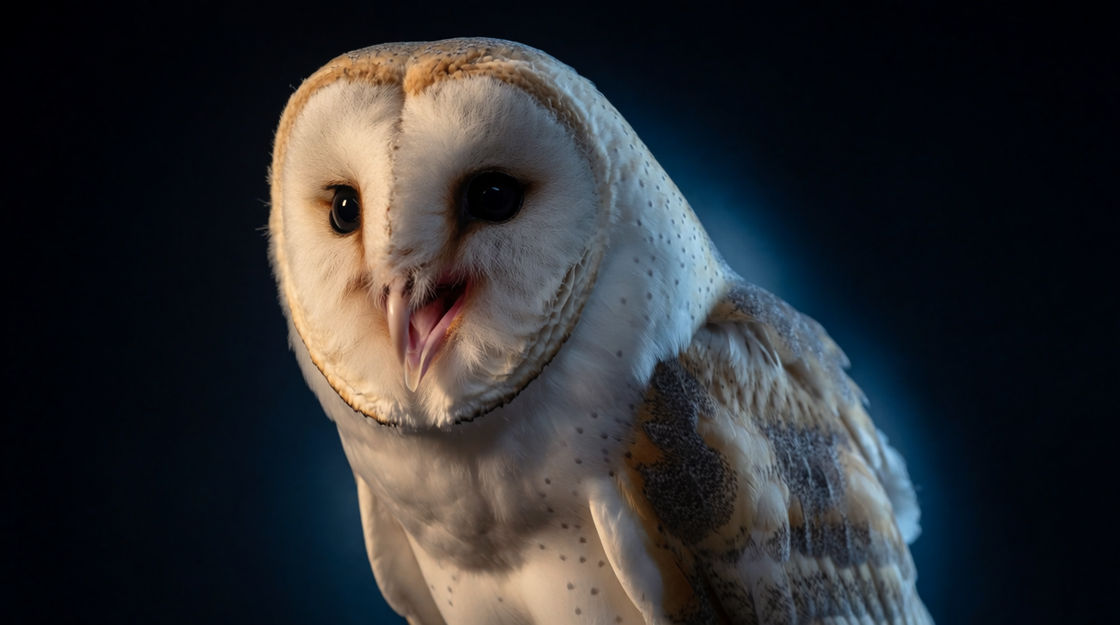
Nothing like a hoot. A harsh, shrill rasp that unsettles an audience immediately, which is why it turns up in horror far more often than in nature films.
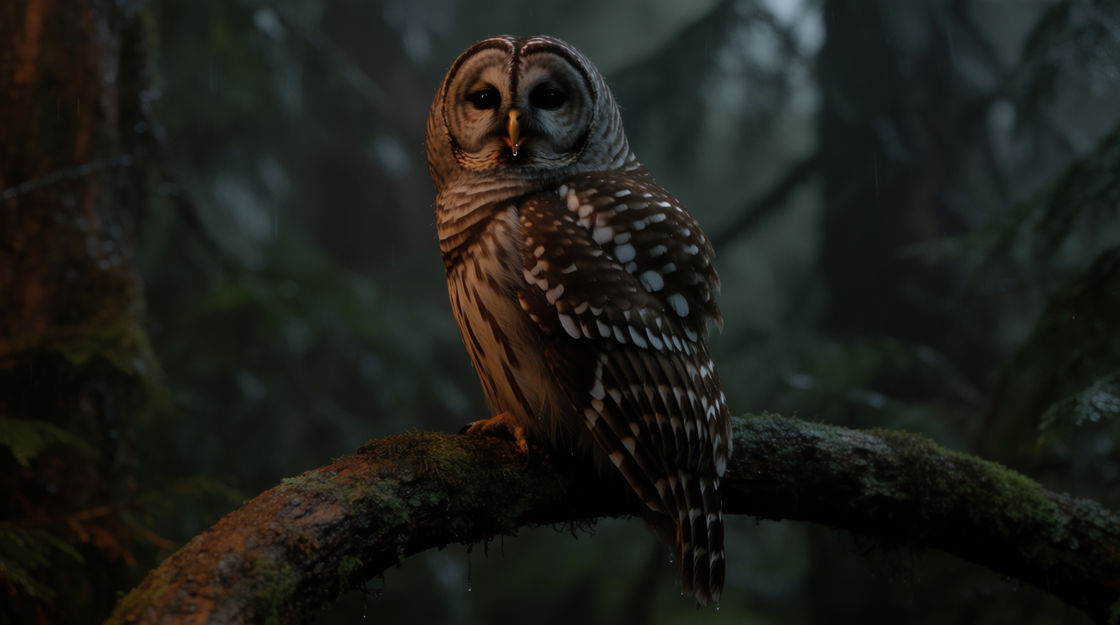
The eight-note rhythmic call, bright and emphatic, with the last note dropping away. It reads as woodland rather than open country.
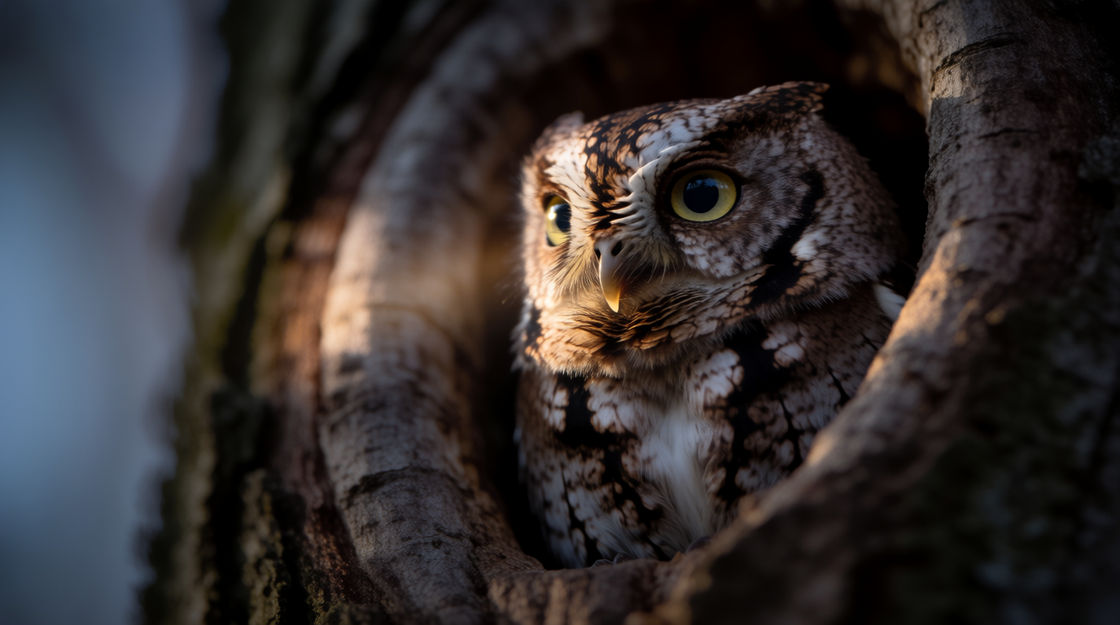
A quavering descending whinny rather than a hoot at all. Small and tremulous, so it reads as a much smaller bird than the deep calls do.
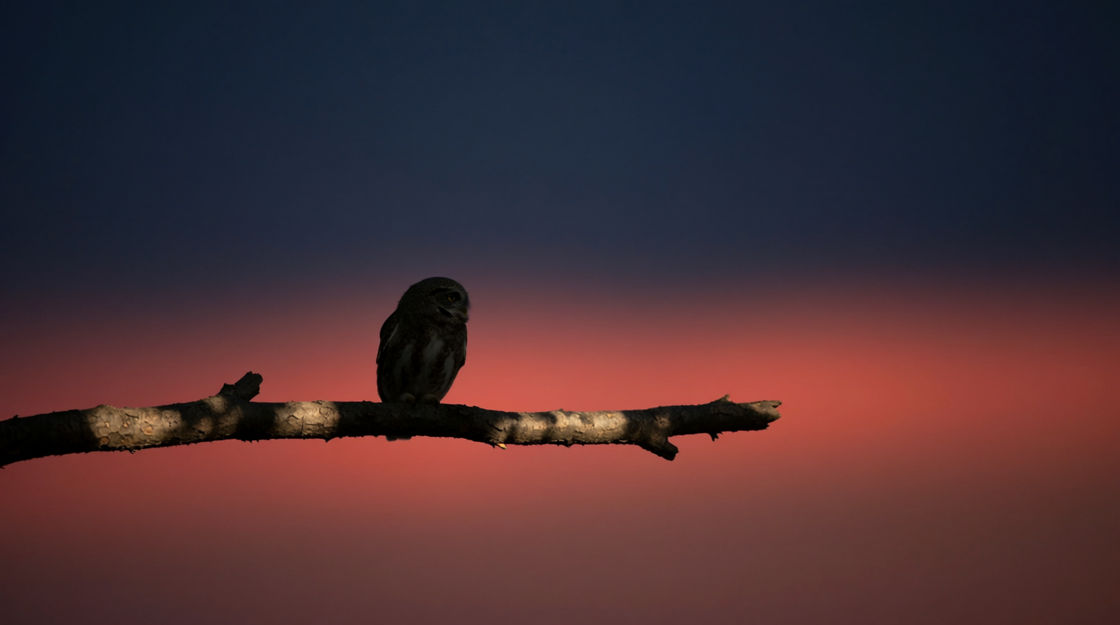
The same call heard well back through trees, softer and with the top end gone. Distance is what turns an owl from an animal into a sense of space.
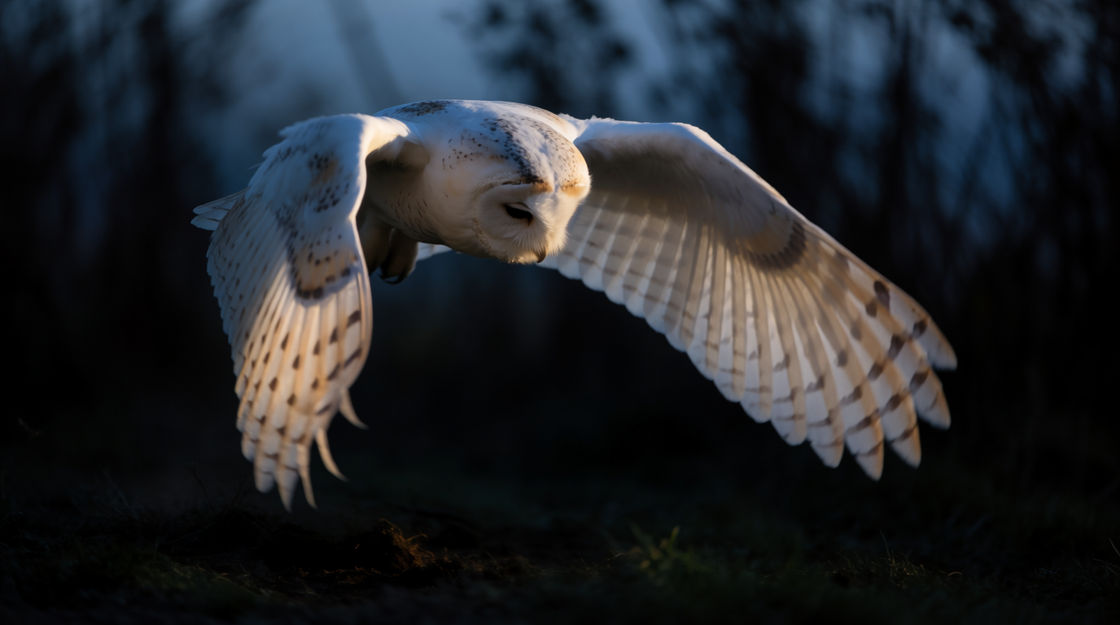
Three heavy, muffled wingbeats. Owls fly almost silently, so this is felt more than heard, and it is what puts the bird in motion rather than on a branch.
Pick a starting point, edit anything you like, then generate it in Morphic.
A screech on the cut has enough attack to work as the transition itself. Where a hoot settles a scene, a rasp jolts it, so pick by which one you want.
Edit promptA distant hoot gives a quiet, wide shot something to rest on. It works in a game level or an animated sequence as much as over live action.
Edit prompt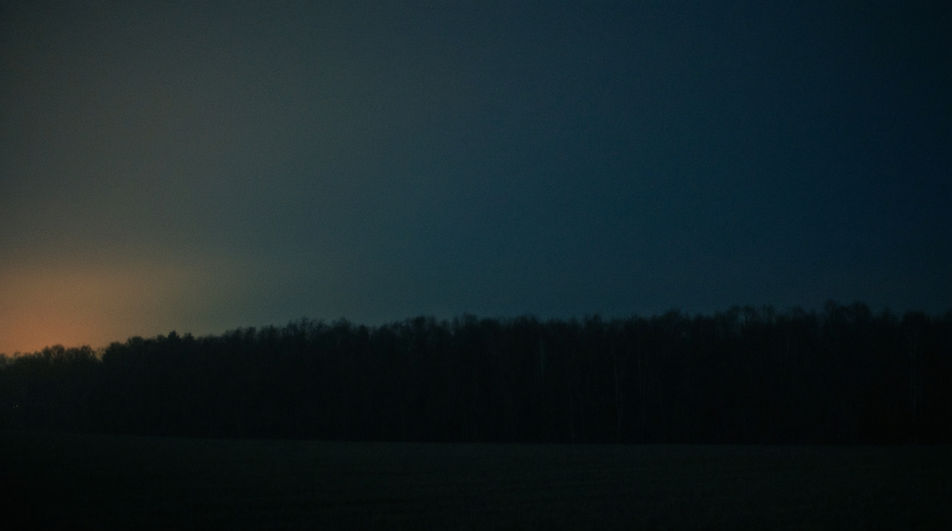
An owl calling and nothing answering places the hour and the emptiness in one gesture. No establishing shot sets a night exterior that quickly.
Edit prompt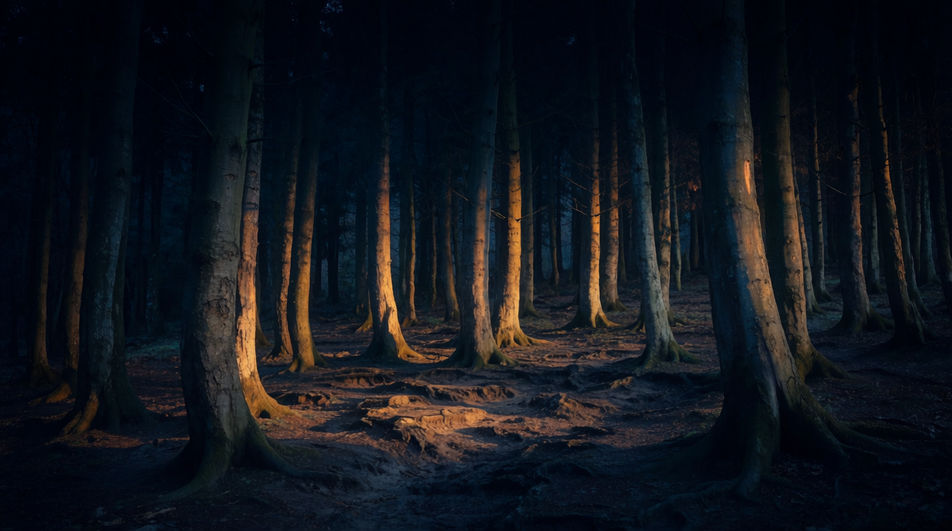
Muffled wingbeats passing close tell the audience something just went over, in a shot where nothing does. It is the cheapest way to fill an empty sky.
Edit prompt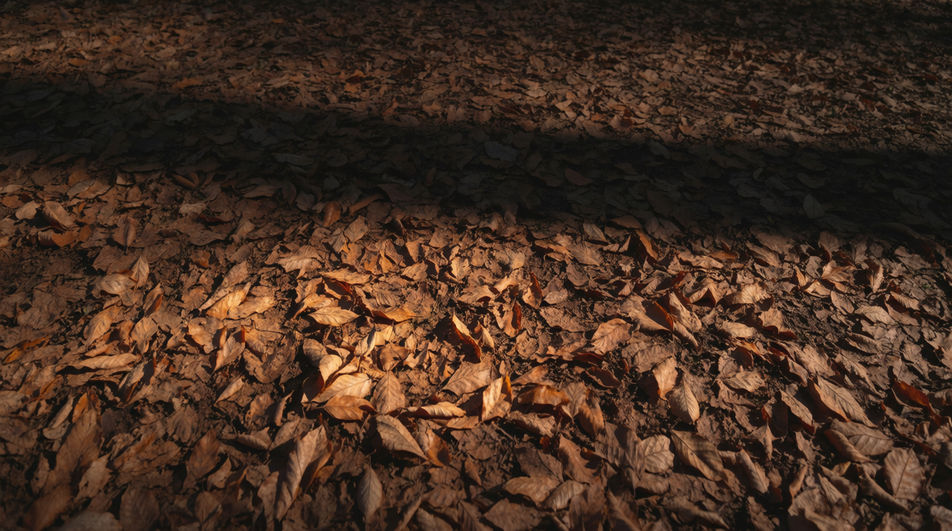
Barn owl sound effects
Generate barn owl sound effects with Morphic. Describe the call, the time of day, and the distance, then get a clean file for your scene.
Barred owl sound effects
Morphic builds barred owl sound effects from a prompt. Choose the call pattern and background you need without hunting through field recordings.
Bird sound effects
Dawn chorus, single calls, or a full woodland bed. Morphic generates bird sounds by species, time of day, and density.
Birds chirping sound effect
Generate birds chirping sound effects with Morphic. Choose the call pattern, the number of birds, and the pace without hunting field recordings.
Get started for free today, with the option to upgrade or cancel anytime.
Basic
2400 monthly credits
1 user only
All models
Workflows
Standard
3625 monthly credits
1 user only
All models
Workflows
Pro
6350 shared monthly credits
1 user
All models
Workflows
Max
24650 shared monthly credits
1 user
All models
Workflows
Enterprise
For higher limits
Custom
pricing and billing terms

Free
For playing around
$0
forever free