Sharpen the moment the audience should flinch
A brightening scrape lands the exact frame something moves. It does the same job in a horror short, a game cutscene, or a true-crime episode with no picture at all.
Edit prompt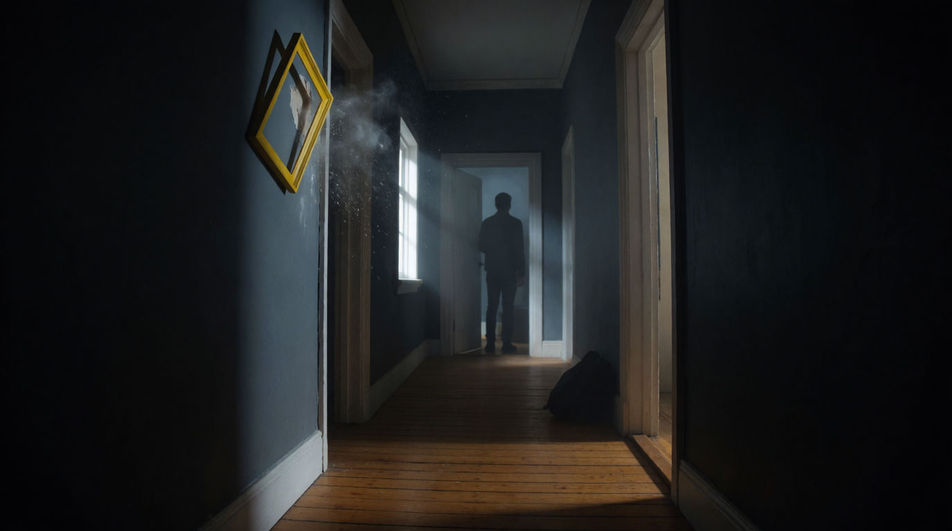
Dread you can place: slow drones, dry creaks, breath with no words in it, and a pulse under the floor. Describe the tension your scene needs and Morphic builds it.
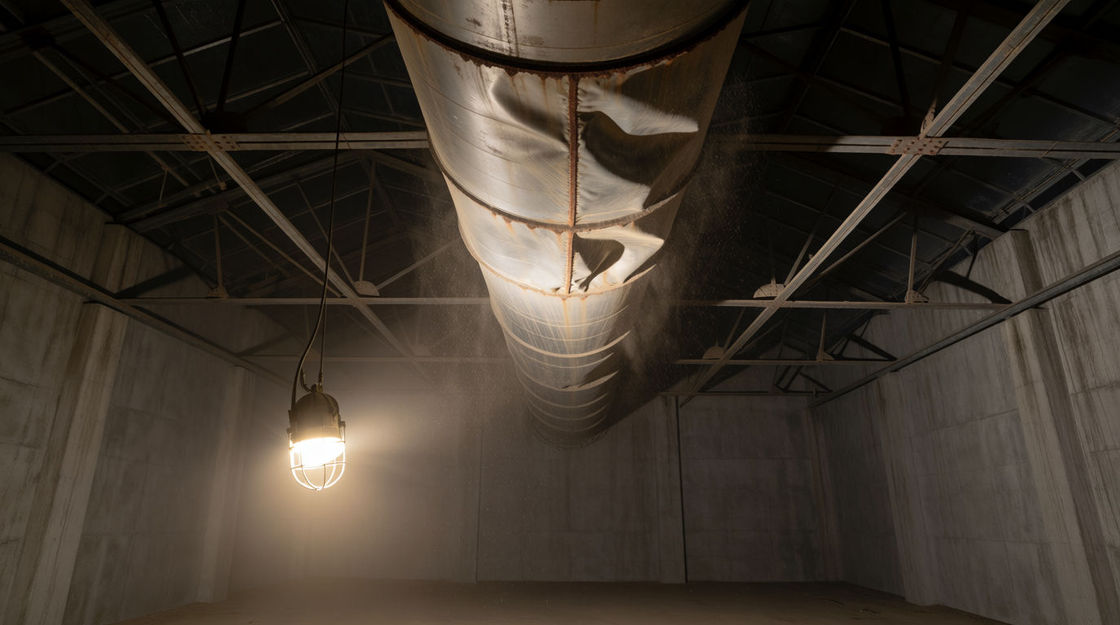
A sustained low bed with no melody anywhere in it. This is the thing most horror cuts are actually missing: it lifts the tension of a held shot without the audience registering that a sound was added.
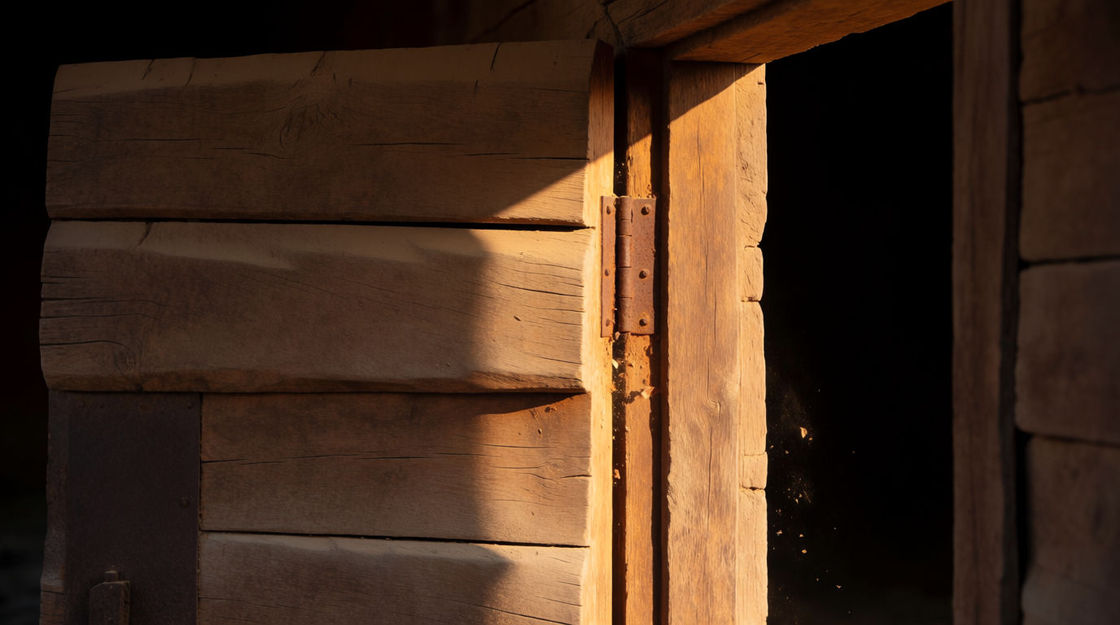
One slow hinge turning, dry and wavering, with a definite stop at the end. Reach for it when a door opens on screen and the movement on its own is not carrying any of the dread.
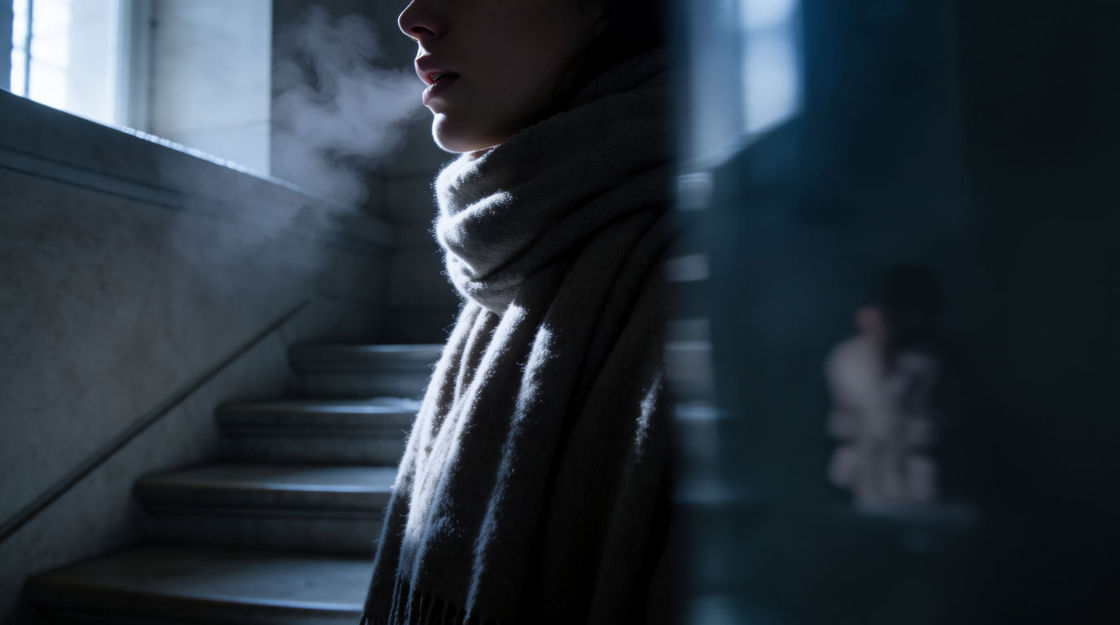
Breath shaped like speech with nothing intelligible inside it, so nobody has to write a line. It works in a game corridor as readily as in a film, because there is no language to translate.

A thin edge dragged across rough stone, brightening and tightening as it travels. The rise is doing the work, which is why it can sit under a slow push-in with nothing else happening in frame.
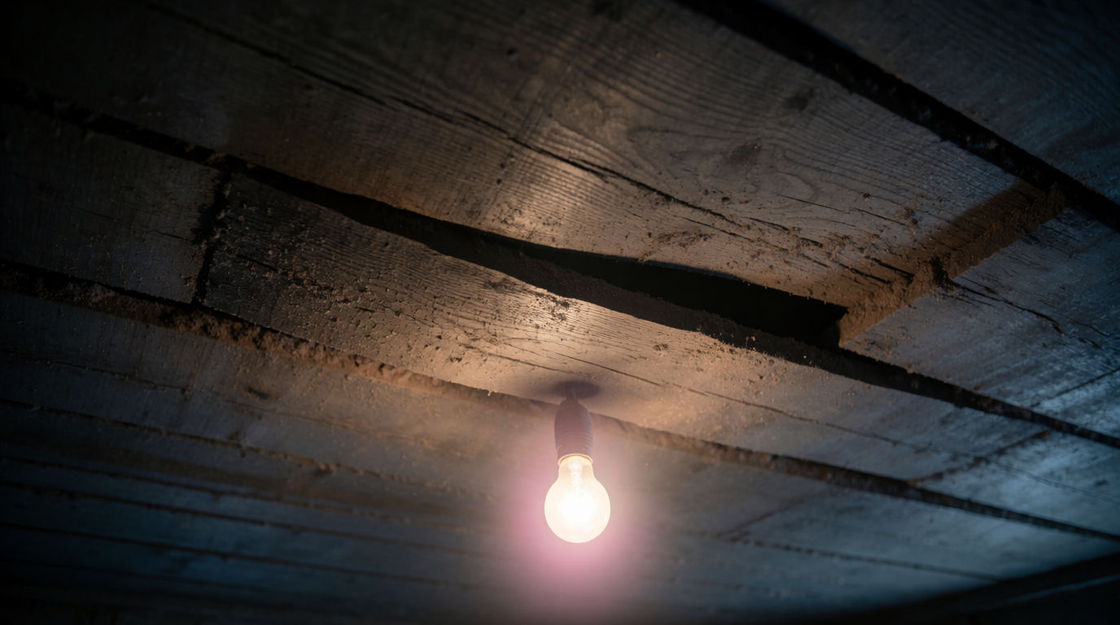
Dry timber flexing under a weight the audience never sees. It puts a person in the room above with no actor, no second set, and no extra camera setup.
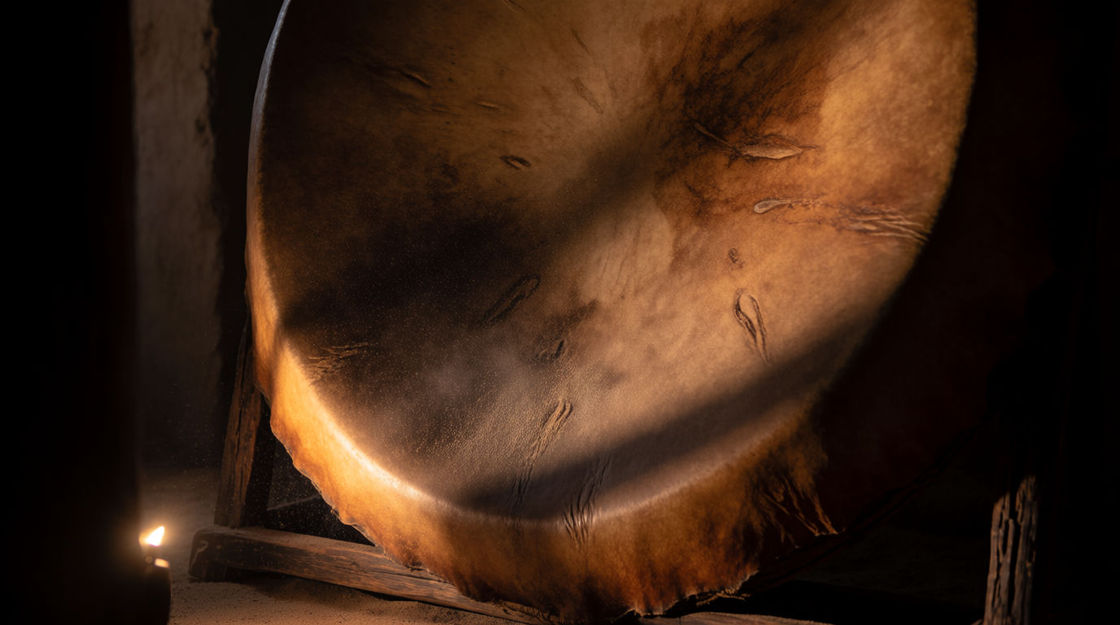
A dull, evenly repeating thud with the top end gone, nearer a heartbeat than a drum. Laid quietly under a held shot it sets a pace the audience follows without ever hearing it.
Pick a starting point, edit anything you like, then generate it in Morphic.
A brightening scrape lands the exact frame something moves. It does the same job in a horror short, a game cutscene, or a true-crime episode with no picture at all.
Edit promptA slow drone holds a wordless stretch that would otherwise need a score. It carries a podcast cold open as easily as it carries a long take in a film.
Edit prompt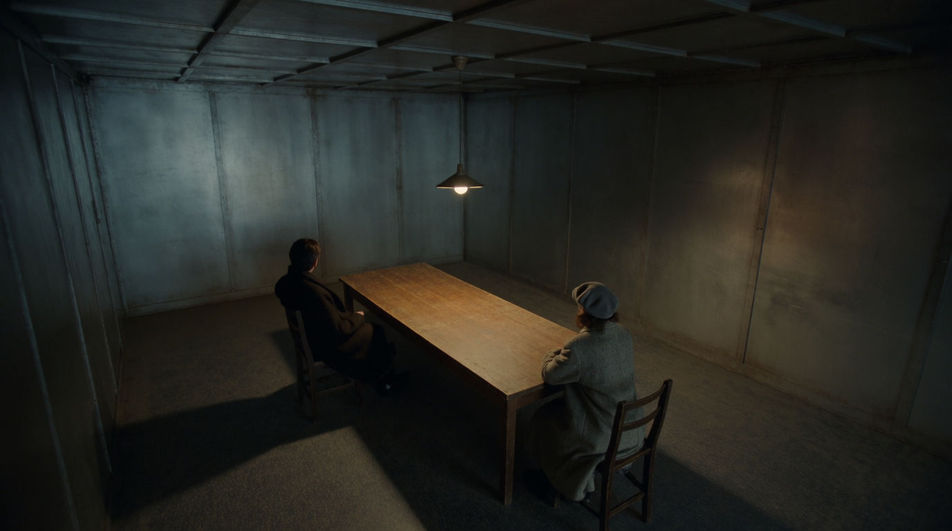
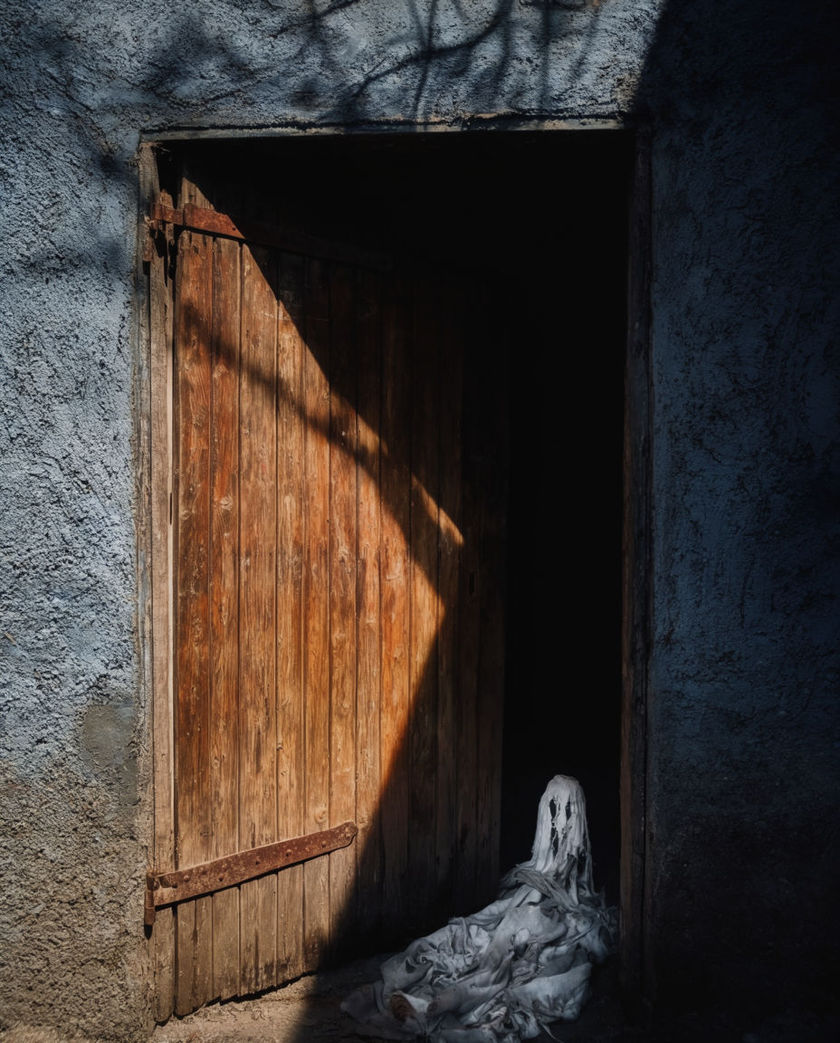
Timber flexing and settling tells the audience a building is old and empty before any character says so, whether the building is a film location or a game level.
Edit prompt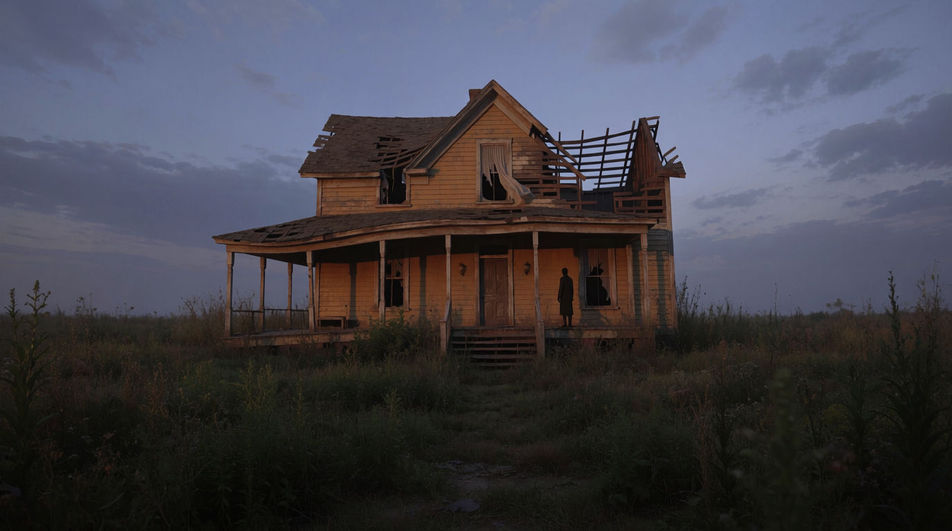
Breath with no words in it lets every viewer imagine something different. It costs nothing to stage and reads the same in animation as it does in live action.
Edit prompt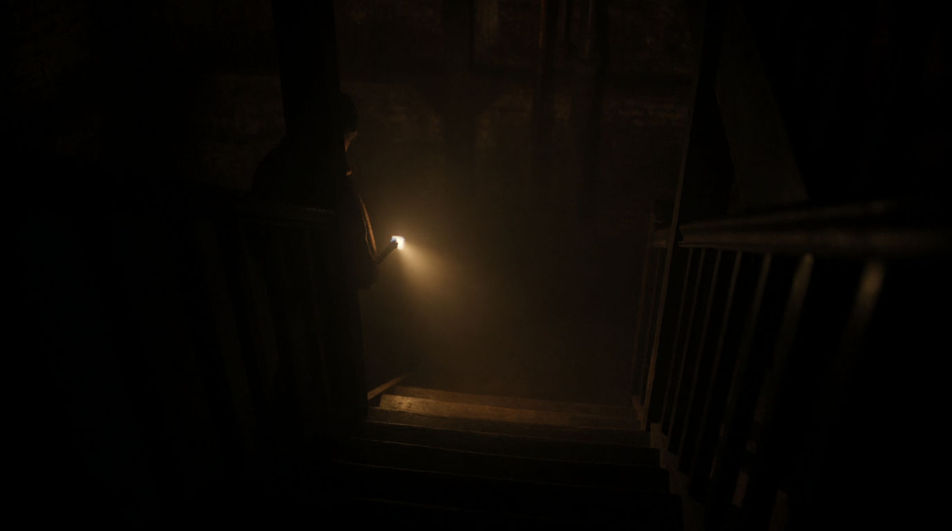
Nightmare sound effects
Nightmare sound effects built for bad-dream sequences: dread drones, metallic stingers, warped whispers, a broken music box and a reverse suck-in.
Paranormal sound effects
Paranormal sound effects for haunted house scenes and ghost stories, wall knocks, objects moving alone, radio static, whispers and a cold room hum.
Possession sound effects
Possession sound effects for horror scenes, voices cracking into screeches, doubled whispers, growls and bone contortions you can generate in minutes.
Scary sound effects
Generate scary sound effects with Morphic. Set the tension, texture, and build you need to land the moment without stock cliches.
Get started for free today, with the option to upgrade or cancel anytime.
Basic
2400 monthly credits
1 user only
All models
Workflows
Standard
3625 monthly credits
1 user only
All models
Workflows
Pro
6350 shared monthly credits
1 user
All models
Workflows
Max
24650 shared monthly credits
1 user
All models
Workflows
Enterprise
For higher limits
Custom
pricing and billing terms
Free
For playing around
$0
forever free