Land each letter as it appears on screen
A single isolated strike can be placed on every character of an animated title. It works the same way in a game dialogue box as it does on a documentary caption.
Edit prompt
Typebar strikes, the carriage bell and the ratchet of paper feeding through. Generate the exact part of the machine your scene needs.
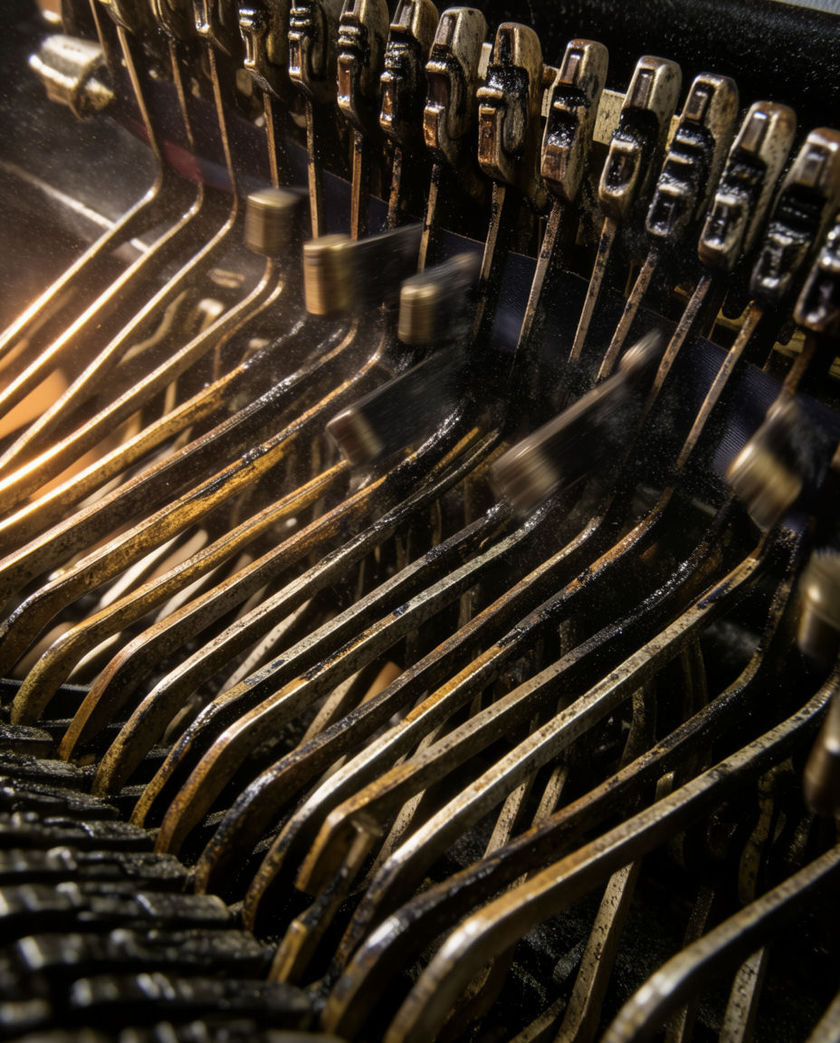

One typebar hitting paper and settling. This is the version most edits want, because a single clean strike can be repeated to any rhythm your text animation needs.
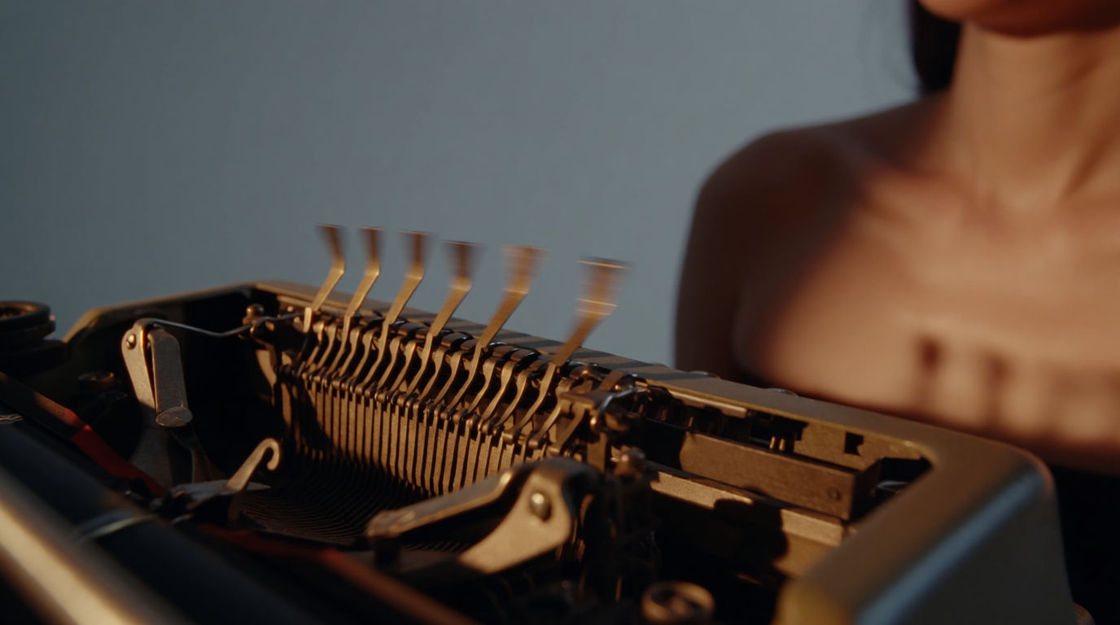
A confident steady run of strikes with the small mechanical noise between them. Reach for it when someone is typing across a whole shot rather than a line of text appearing.

Irregular strikes with uneven pauses between them. The hesitation reads as someone thinking, which a steady run never does no matter how it is cut.

The bright bell, then the carriage travelling back and hitting its stop. It is the most recognisable part of the machine and the easiest to place at the end of a phrase.

The roller ratcheting a fresh sheet through. It gives a scene a beginning and an ending without anyone saying a word about what is being written.
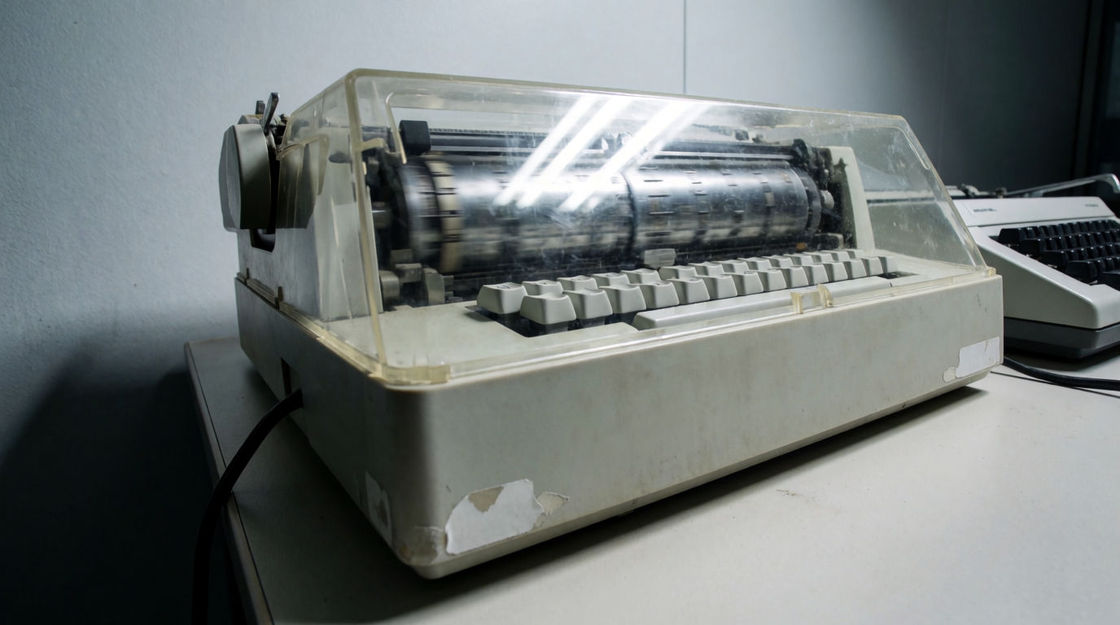
A low motor hum sitting under lighter, faster strikes. It moves the setting forward several decades from the manual machine without changing anything on screen.
Pick a starting point, edit anything you like, then generate it in Morphic.
A single isolated strike can be placed on every character of an animated title. It works the same way in a game dialogue box as it does on a documentary caption.
Edit promptA steady run of typing carries a whole sequence of someone at work. Podcast intros and animated shorts use it the same way a film montage does.
Edit prompt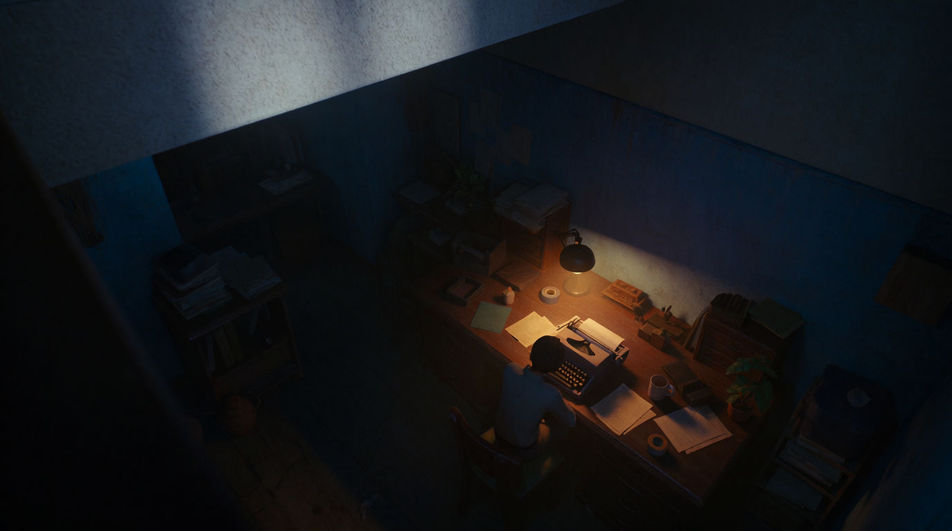
Heavy metal typebars say mid-century, a motor hum under light keys says office of the nineteen eighties. The mechanism does the period work by itself.
Edit prompt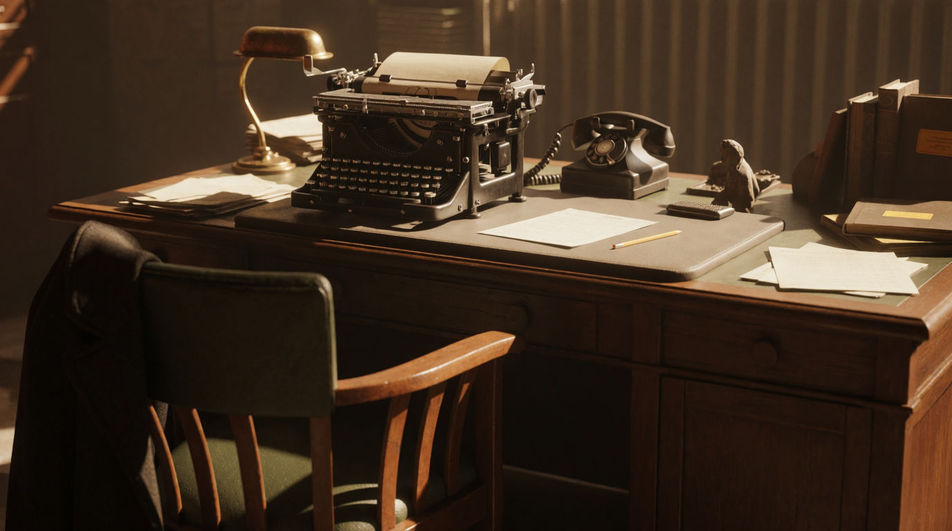
Uneven strikes drifting in from another room tell an audience someone is working nearby. You never have to build the desk, the machine or the person.
Edit prompt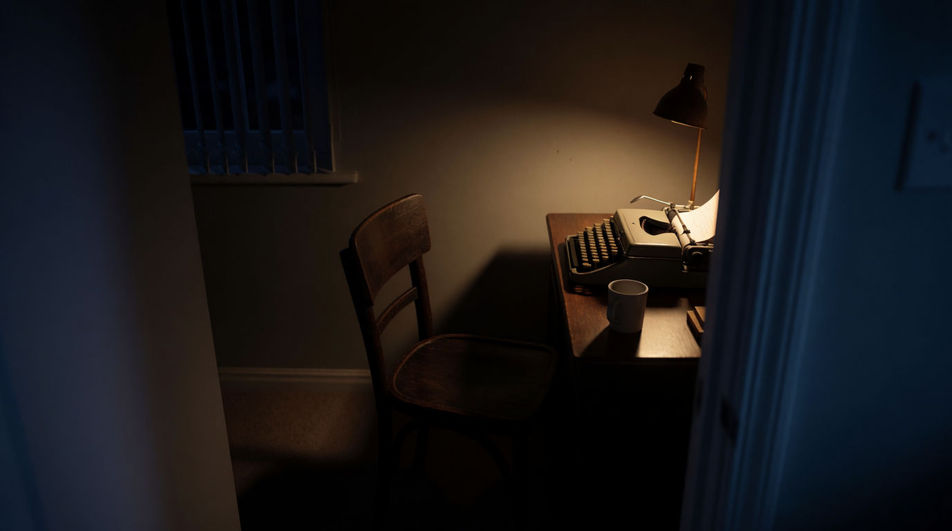
Whine sound effects
Generate whine sound effects with AI on Morphic. Describe the sound, pick a variation, and download MP3 or WAV for your video, game or podcast.
Wrong buzzer sound effect
Generate wrong buzzer sound effects with Morphic. Set how harsh the rasp is, how low it sits and how long it holds before it cuts out.
Wrong sound effect
Need a wrong sound effect for an interface or an edit? Morphic generates crisp refusal cues to your spec, from a soft decline to a harsh rasp.
Achievement sound effects
Generate achievement sound effects with AI on Morphic. Describe the sound, pick a variation, and download MP3 or WAV for your video, game or podcast.
Get started for free today, with the option to upgrade or cancel anytime.
Basic
2400 monthly credits
1 user only
All models
Workflows
Standard
3625 monthly credits
1 user only
All models
Workflows
Pro
6350 shared monthly credits
1 user
All models
Workflows
Max
24650 shared monthly credits
1 user
All models
Workflows
Enterprise
For higher limits
Custom
pricing and billing terms

Free
For playing around
$0
forever free