Trunk shot from inside an open car
Looking up from inside a car trunk at two figures in black suits leaning in, lid above the frame, sodium streetlight outside, dust motes in the air.
Edit prompt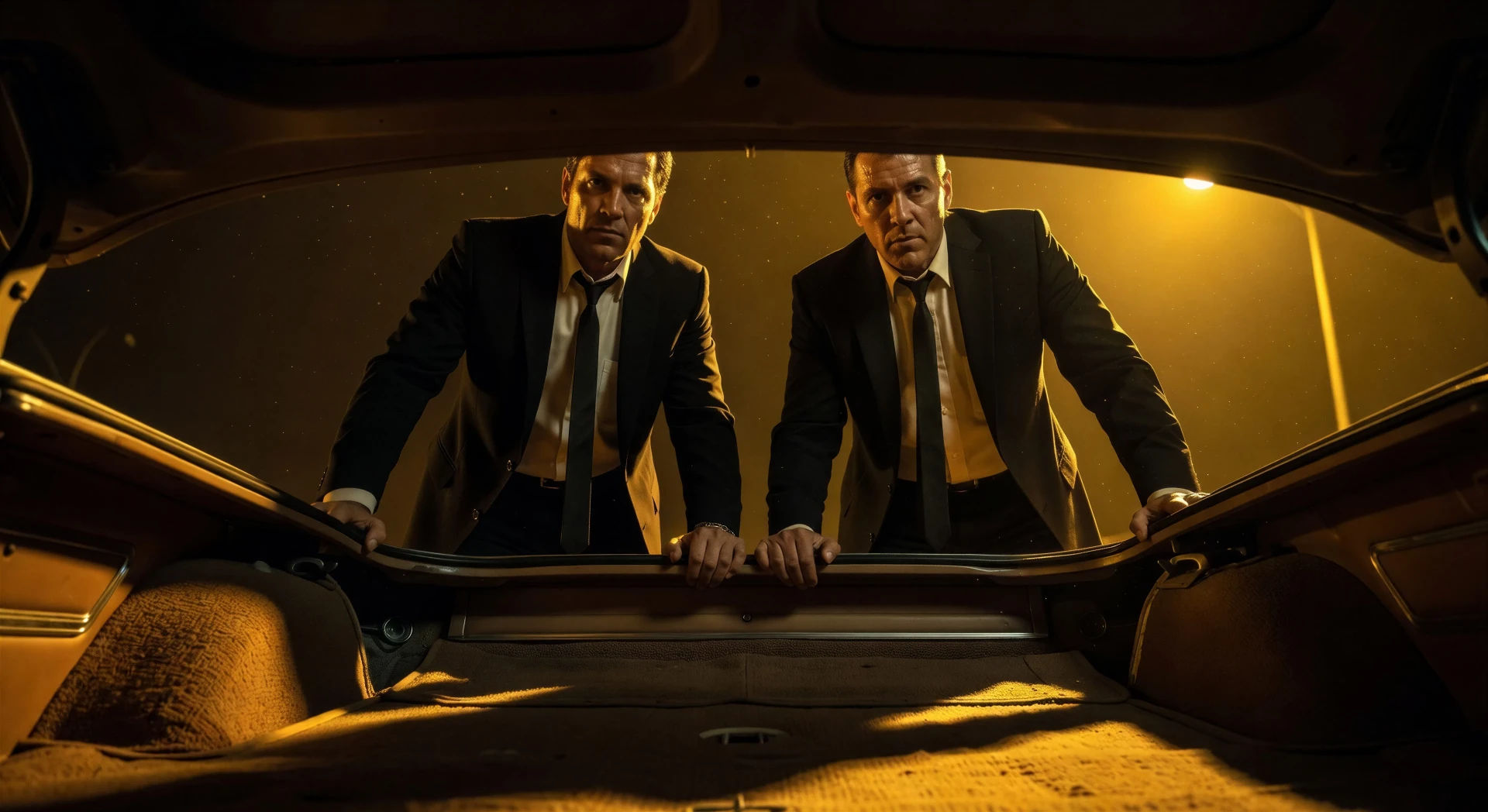
Direct pulp menace in your browser with Morphic's Tarantino style AI video generator. Generate a trunk shot from inside an open car or an all-night diner standoff, drop a surf-rock needle with the Music tool, and stitch a pulp short inside the Canvas.
Looking up from inside a car trunk at two figures in black suits leaning in, lid above the frame, sodium streetlight outside, dust motes in the air.
Edit promptTwo figures locked across a chrome-edged diner booth at 2 a.m., coffee cups untouched, neon menu reflected in the window, locked-off two-shot.
Edit prompt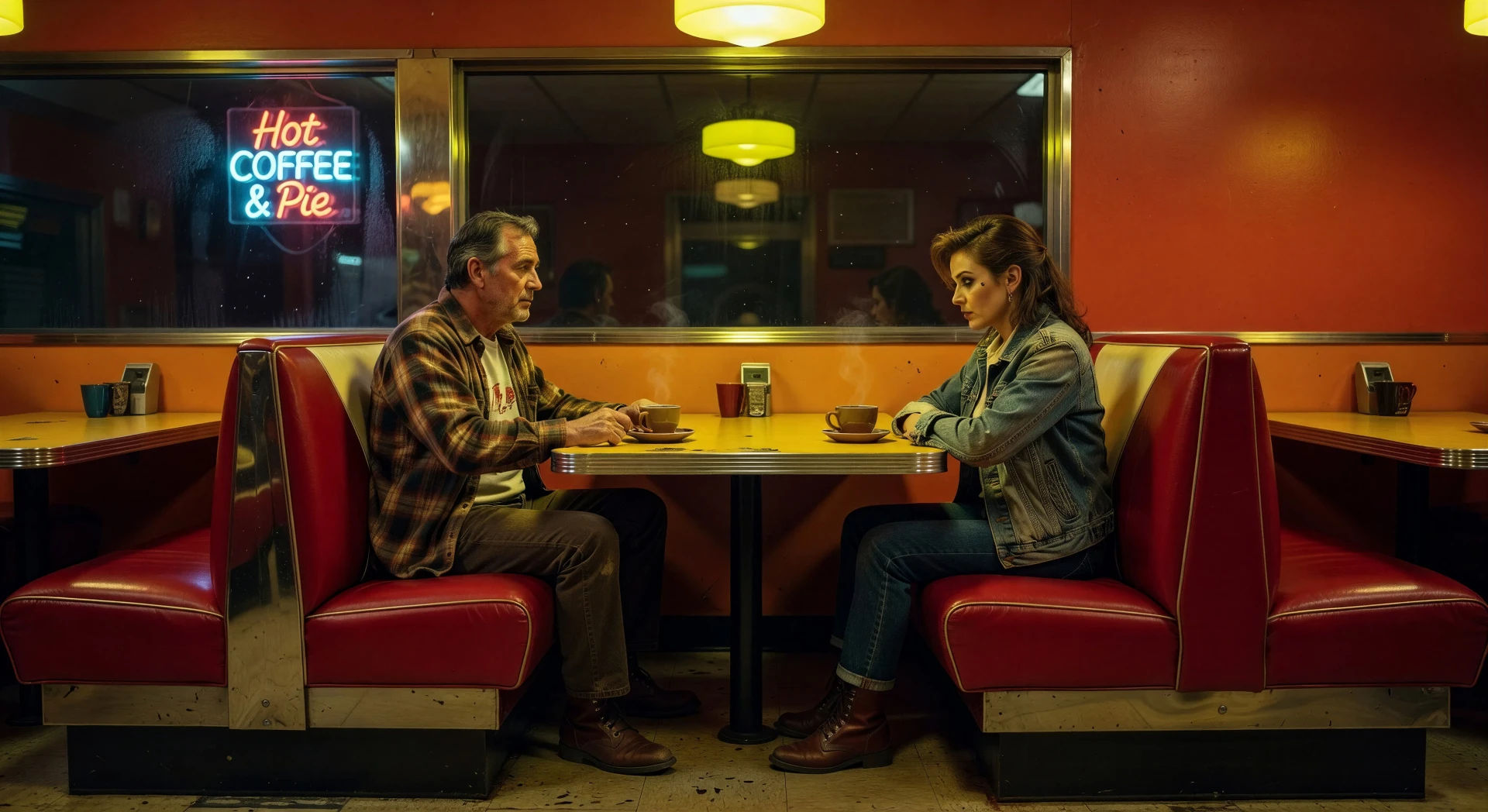
Vintage gas station on a desert highway, two figures by a 1970s muscle car, chrome pumps catching the late sun, single sodium sign overhead, dust drifting.
Edit prompt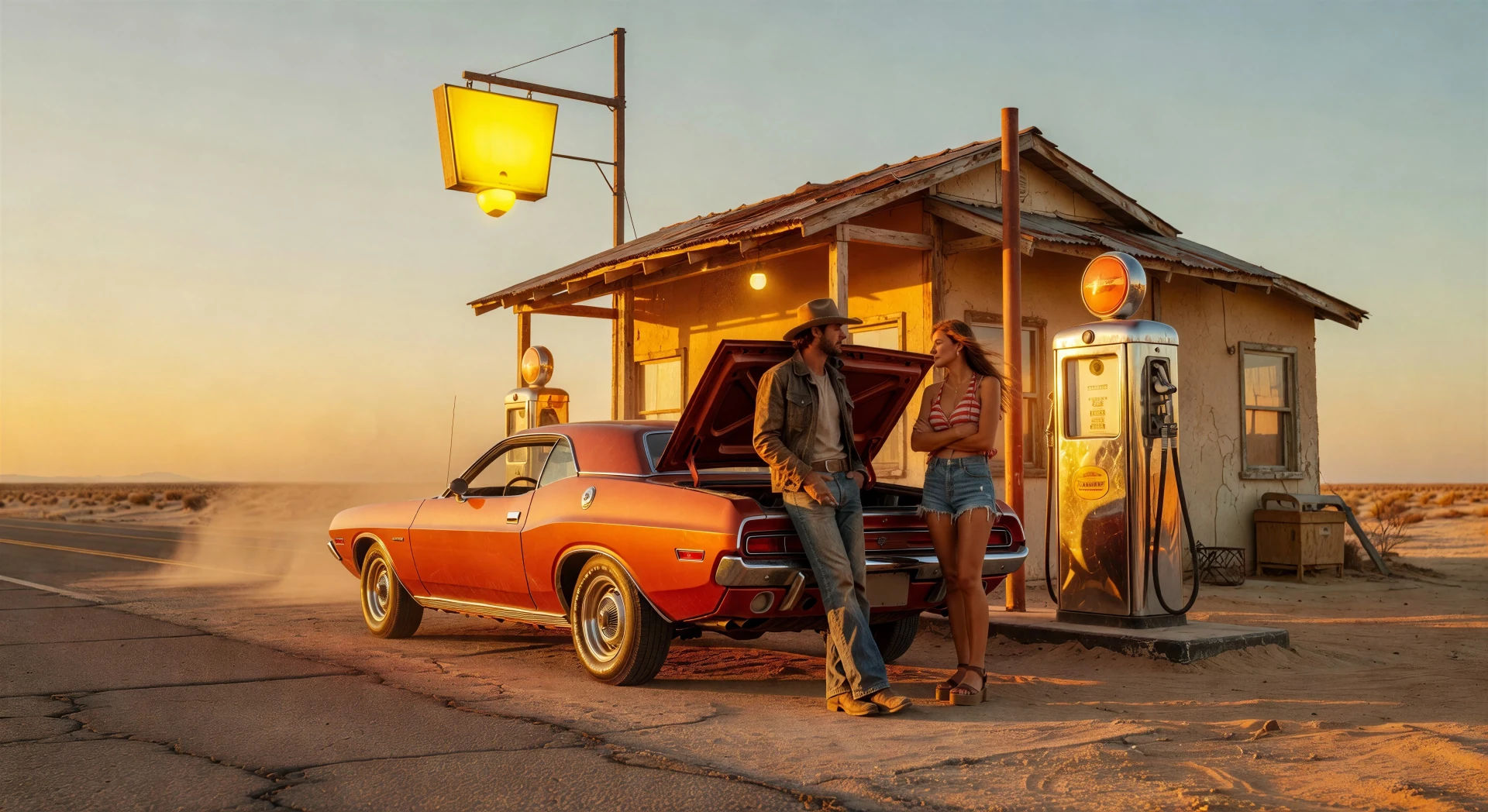
Inside a 1970s muscle car at midnight, hand on the wheel, glove compartment open, gas-station neon flicking past the windshield in long horizontal streaks.
Edit prompt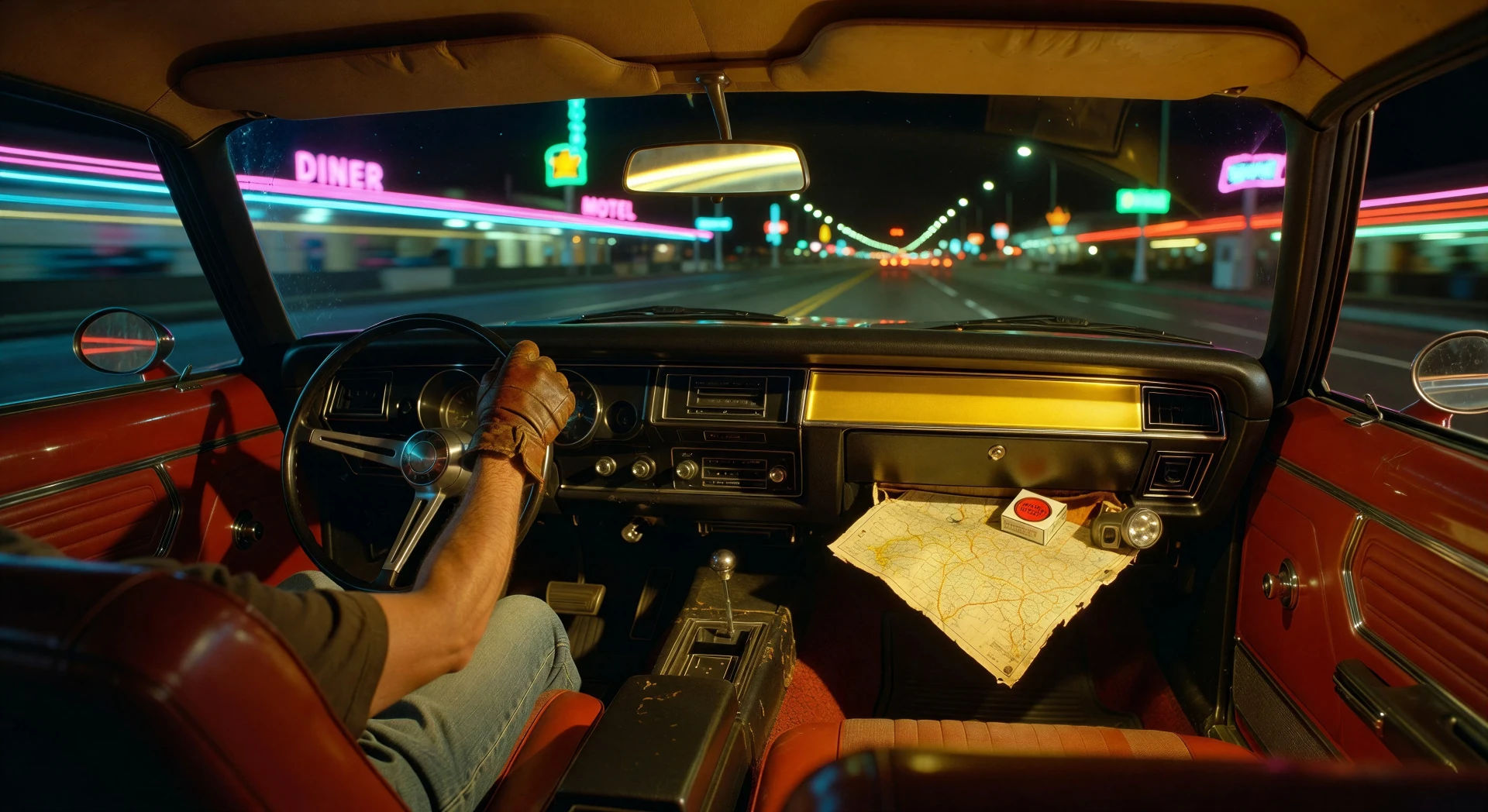
Write the Tarantino scene you want, in plain words.
Morphic generates a cinematic, frame-ready clip on your canvas in seconds.
Tweak the prompt, regenerate variations, then download or share the shot.
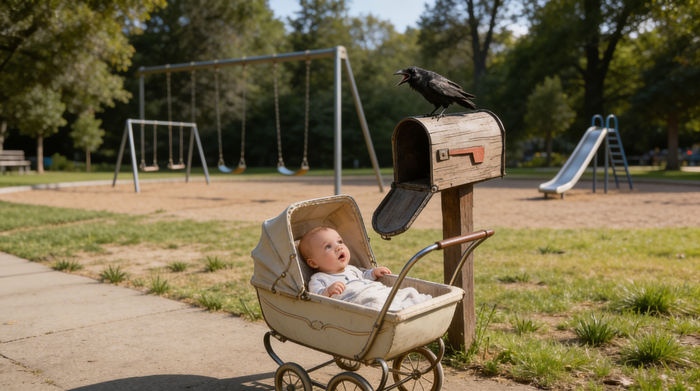
Share a scene description with character references. Get a full storyboard with shot angles and mood.
One image to a 9-scene cinematic video.
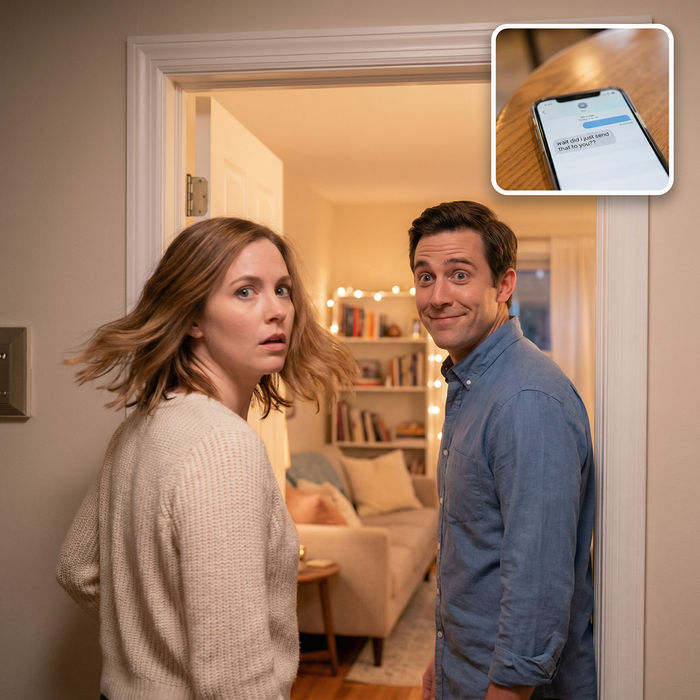
Dramatize any text conversation into a cinematic multi-shot video.
Cinematic time-freeze short film for any scene
Drop in a photo of yourself. Get a 12-second cinematic movie with animation and a matched soundtrack.
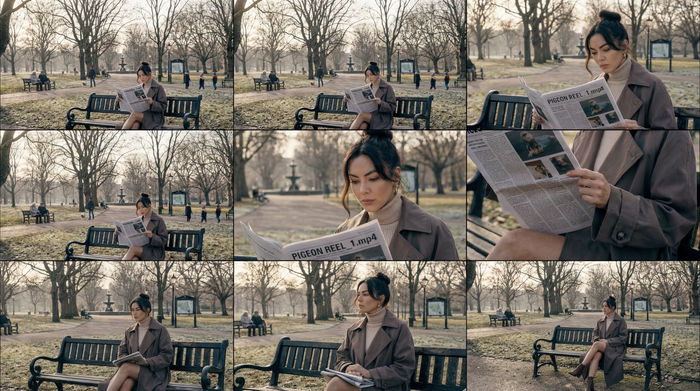
Feed in a single image. Get 9 cinematic beats laid out as a 3x3 storyboard grid.
Fincher AI Videos
Generate Fincher style videos with Morphic. Desaturated palettes, geometric framing, deep shadows, and prompt-led scenes you can run in your browser.
Wes Anderson AI Videos
Generate Wes Anderson style videos with Morphic. Symmetrical framing, pastel palettes, deadpan tableau scenes, and prompt-led shots you can run in your browser.
Wong Kar Wai AI Videos
Generate Wong Kar Wai style videos with Morphic. Step-printed motion, neon Hong Kong nights, saturated color, and prompt-led scenes you can run in your browser.
Kubrick AI Videos
Generate Stanley Kubrick style videos with Morphic. One-point perspective, symmetrical framing, slow zooms, and prompt-led scenes you can run in your browser.
Get started for free today, with the option to upgrade or cancel anytime.
Basic
1100 monthly credits
1 user only
All models
Workflows
Standard
3625 monthly credits
1 user only
All models
Workflows
Pro
6350 shared monthly credits
1 user
All models
Workflows
Pro Max
24650 shared monthly credits
1 user
All models
Workflows
Enterprise
For higher limits
Custom
pricing and billing terms
Free
For playing around
$0
forever free