Urdu AI voices

Try Morphic

Browse Urdu AI voices from poetic narrators to warm brand hosts, build your own in the generator, then lip sync any line to a talking presenter on screen.

Urdu voices for dubbing, narration, and e-learning

Faisal

A rich native Urdu narrator voice, refined and warm, poetic weight

Sana

A warm native Urdu brand voice, assured and friendly, natural pace

Bilal

A crisp native Urdu news voice, even and clear, authoritative diction

Hina

A patient native Urdu host voice, clear and steady, made for lessons

Adnan

A gentle native Urdu storyteller voice, measured and warm, easy flow

Mahnoor

A bright native Urdu announcer voice, public and clear, upbeat delivery

Design your urdu voice

Mix and match the traits below. Your prompt builds as you go.

Archetype
Depth
Texture
Mood

A bottomless, gravelly, menacing overlord urdu voice

Generate

Turn an Urdu voice into a talking presenter

Most voice tools stop at an audio file. Morphic maps the read onto a face so a presenter speaks the line on screen, mouth and timing matched, taking you from an Urdu script to a talking Urdu clip ready for a dubbed scene, a localized ad, or a lesson video.
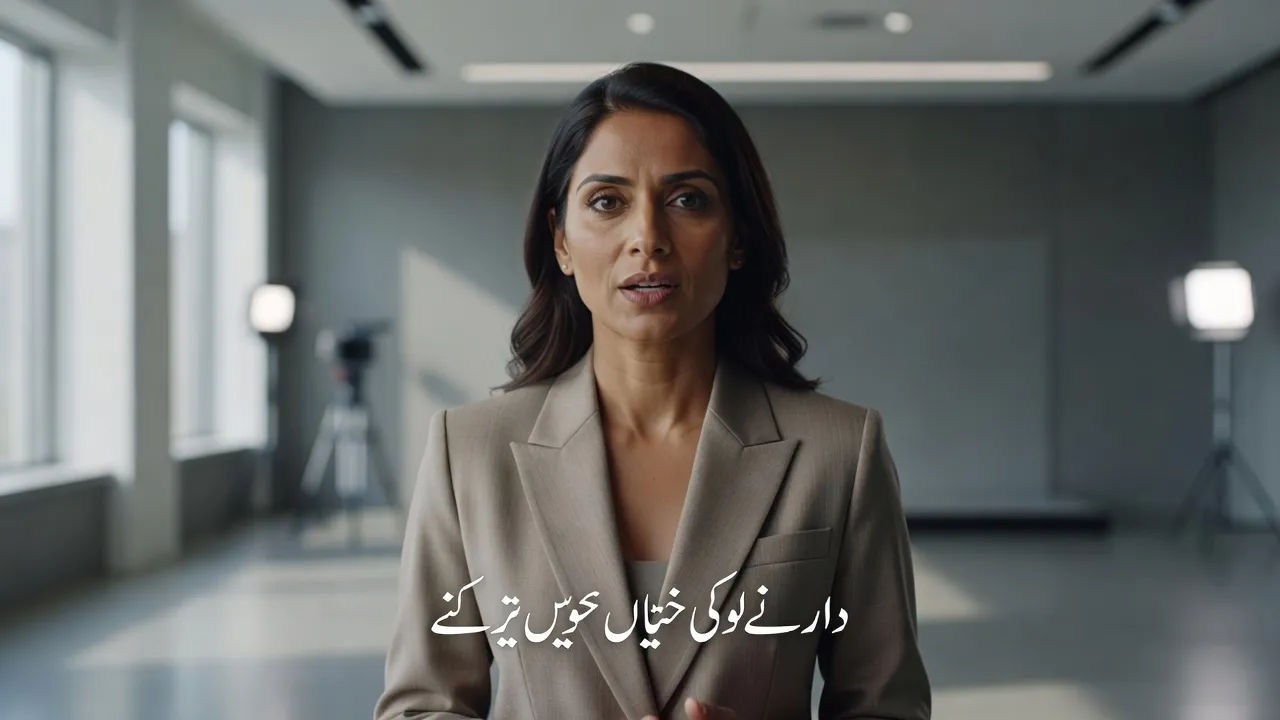
Presenter delivering an Urdu line to camera in a bright studio

Urdu localization voices for dubbing, narration, and e-learning

Cast a full localization team, from a poetic narrator to a warm brand host and a patient e-learning guide. Drop a crisp news anchor, a gentle storyteller, or a bright announcer into dubbed films, narration tracks, and lesson videos, each directed from a prompt.
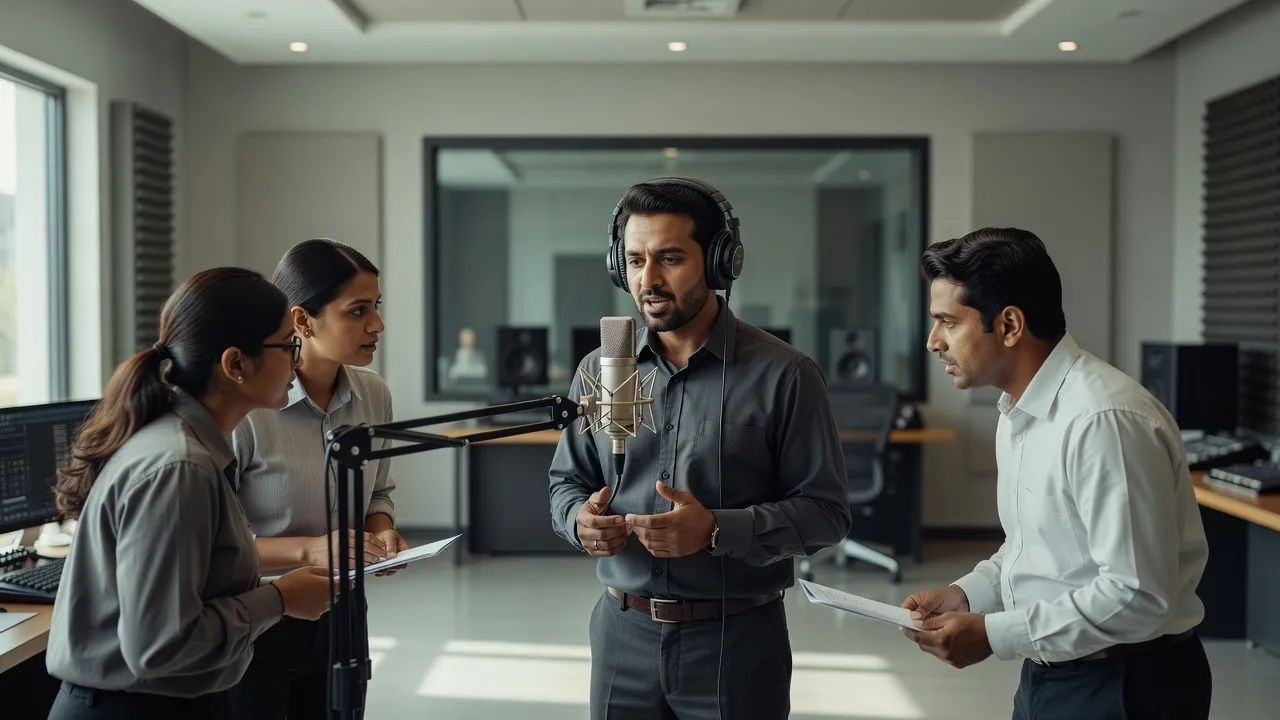
Localization team recording Urdu dubbing for a narration track

Urdu voice text to speech for narration and IVR announcements

Paste your script and turn it into a natural Urdu voiceover in seconds, no booth. Morphic reads the line with native cadence and clear articulation, and you direct the pace, the pitch, and the warmth in plain English for narration, phone menus, and public announcements.
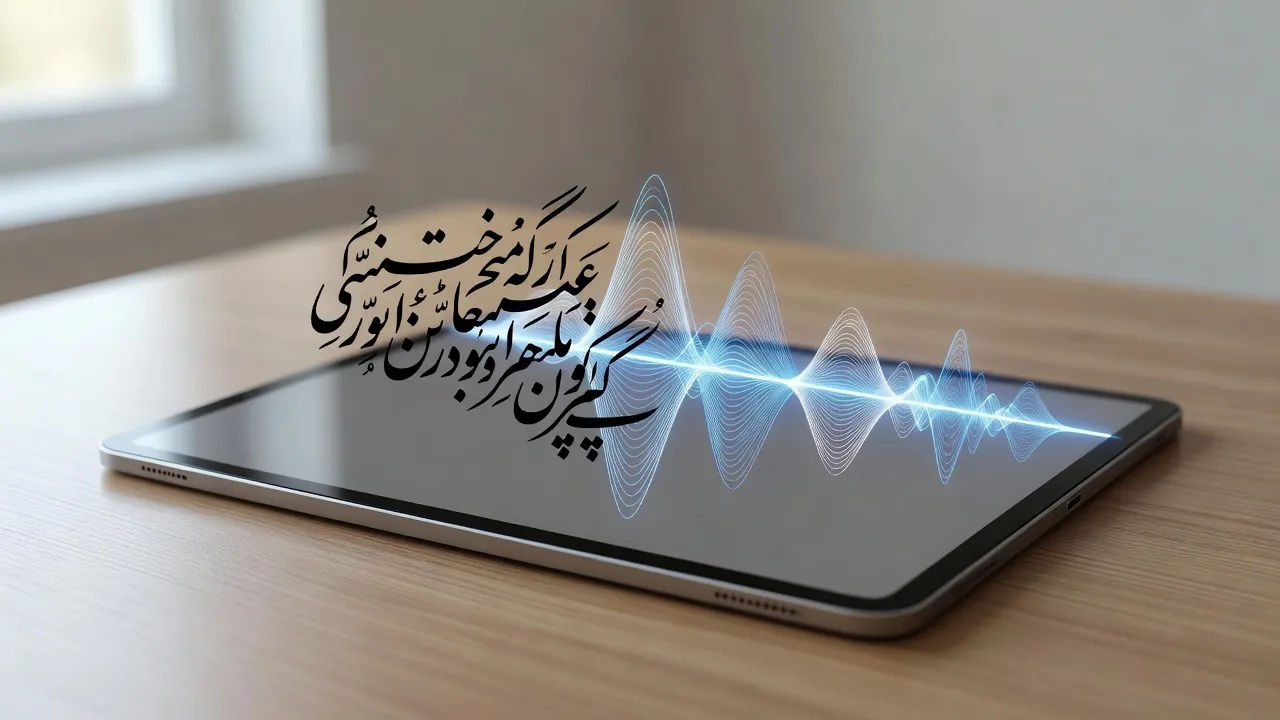
Urdu script turning into a voiceover waveform on a tablet

An Urdu voice generator you direct in plain English

Describe the voice you can hear, name the texture, the register, and the mood, and the generator builds the read. Re-voice the same line as a different Urdu speaker anytime by editing the prompt, a whole cast of native-sounding reads from one workspace.
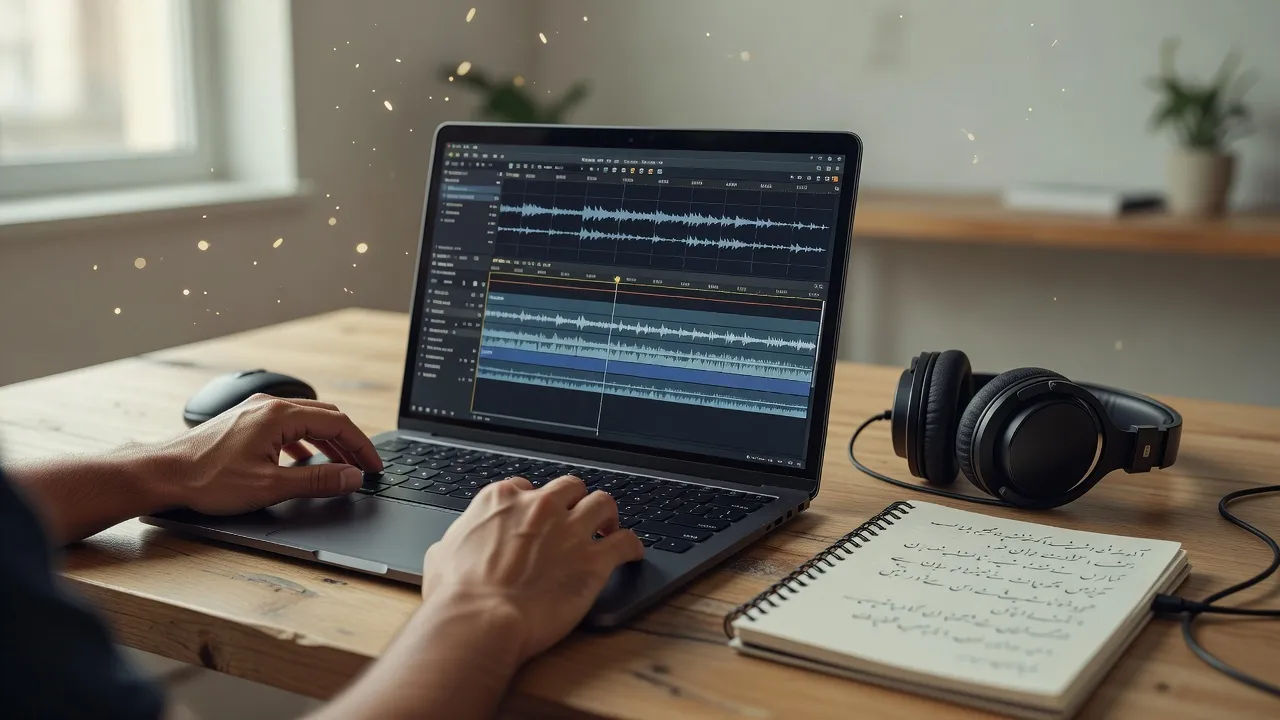
Editing an Urdu voice prompt on a laptop for a localized film

Simple pricing

Get started for free today, with the option to upgrade or cancel anytime.

Basic

$19/ month
billed as $0 per year

2400 monthly credits

1 user only

All models

Workflows

Standard

$24/ month
billed as $0 per year

3625 monthly credits

1 user only

All models

Workflows

Pro

$45/ month
billed as $0 per year

6350 shared monthly credits

1 user

+ up to 4 more at extra cost

All models

Workflows

Max

$170/ month
billed as $0 per year

24650 shared monthly credits

1 user

+ up to 9 more at extra cost

All models

Workflows

Enterprise

For higher limits

Custom

pricing and billing terms

High-volume credits
Custom seat limits
All models
Workflows
Pricing Gradient

Free

For playing around

$0

forever free

Up to 20 credits
1 user only
Limited models
Workflows

FAQs

What is an AI Urdu voice?
An AI Urdu voice is a generated voiceover that speaks natural, native-sounding Urdu, shaped around a persona rather than one fixed narrator. You describe the voice you want, such as a poetic narrator or a warm brand host, then direct cadence, register, and mood so it fits the scene. In Morphic the same line can be re-voiced as a different Urdu speaker without recording anyone.
How do I make a custom Urdu voice in Morphic?
Open the speech tool, paste your Urdu script, and describe the voice in plain English. Name the texture, the register, and the mood, then generate, listen, and adjust the prompt until it lands. The configurator on this page composes that direction for you and carries it into Studio.
Can I turn an Urdu voice into a talking character?
Yes. After you render the Urdu voiceover, the lip sync tool maps the audio onto a face so the mouth and timing match the read. That takes you from a script to a talking Urdu presenter or character, the step a voice-only generator cannot complete.
Can I use Urdu voices commercially?
Yes, Urdu voices generated on paid Morphic plans can be used in commercial ads, dubbing, and localized content. The voices are AI-generated performers, not recordings of real people. Review the Morphic terms for full licensing detail before you publish.
How many Urdu voices can I create?
There is no fixed roster. Because each Urdu voice is directed from a prompt, you can build as many distinct speakers as a project needs and revise any of them by editing the direction. Build a whole localization cast from one workspace.
What languages and accents do Urdu voices support?
The Morphic speech tool supports Urdu alongside English and a growing set of languages and accents. For an Urdu read you can specify the register and tone in the prompt, and pair it with the timbre and mood the scene needs.