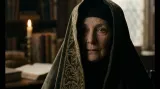
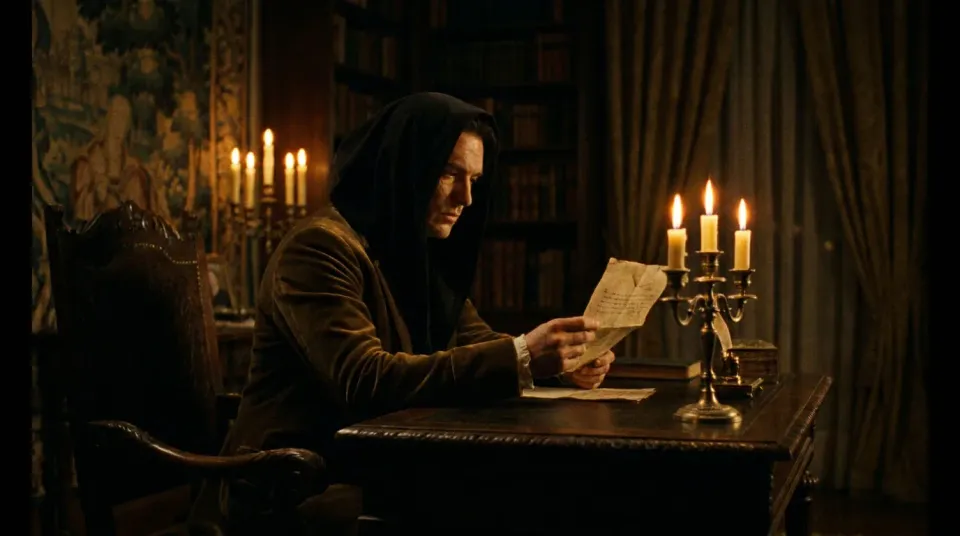
A chapter opening
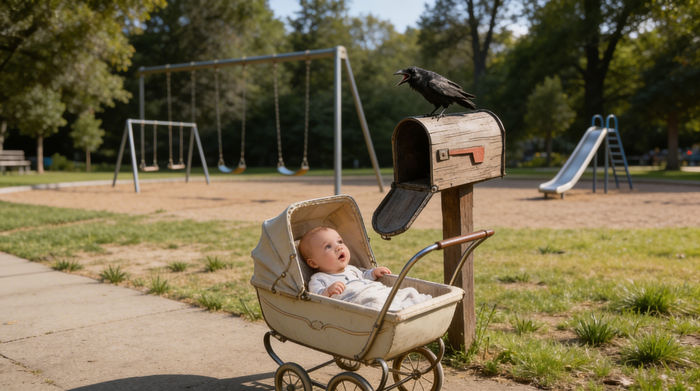
The frame that opens the episode and sets the chapter in motion. Generated against the saved location reference so a recurring setting looks the same each time the series returns to it.
编辑提示词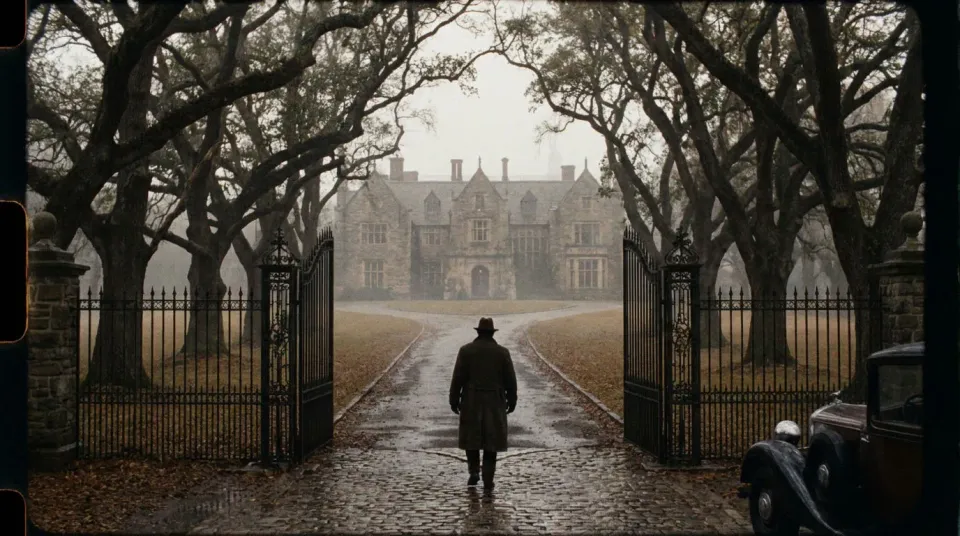
As of October 2026, a publisher can turn one web-novel chapter into a single 90-second vertical episode as a repeatable pass rather than a bespoke production. The chapter text becomes a beat sheet, the recurring characters are cast once as saved references, and the scenes are generated against them and assembled on the timeline. The adaptation choices, the casting approval and the review gates stay manual, because what makes a chapter land on screen is editorial judgement, not throughput.
The chapter is broken down into its beats, the scenes, the turns and the moment the episode should end on. This is where the adaptation is shaped: what a 90-second episode keeps, what it compresses and where it cuts, which is an editorial call the breakdown makes visible before anything is generated.
The recurring characters are cast once as saved references, a face and a look per character, and a saved voice to pair with it. A saved reference beats a worded description and nothing is trained, so once a character is approved, every scene and every later episode is passed the same reference and the cast stays recognisable across the series.
The scenes are generated against the saved cast and assembled on the timeline in one workspace, drafted cheaply at preview resolution and rendered at full only once a scene is the keeper. A review gate sits before release, where the editorial team checks the adaptation against the chapter before the episode ships.
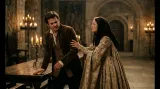
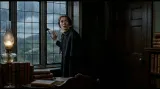
A chapter adapts into a handful of recurring frame types, a chapter opening, a character reveal, a dramatic turn, a cliffhanger, each generated against the cast saved from the text so the characters stay the same person from the first episode to the last.
The frame that opens the episode and sets the chapter in motion. Generated against the saved location reference so a recurring setting looks the same each time the series returns to it.
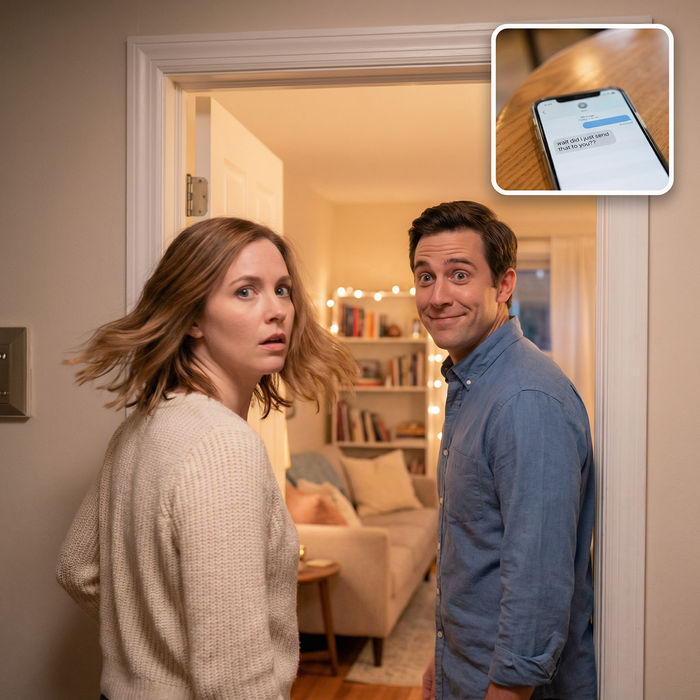
编辑提示词The moment a key character is introduced on screen. The saved reference casts them once from the text, so the reveal matches the reader’s mental image and stays consistent across every later episode.
编辑提示词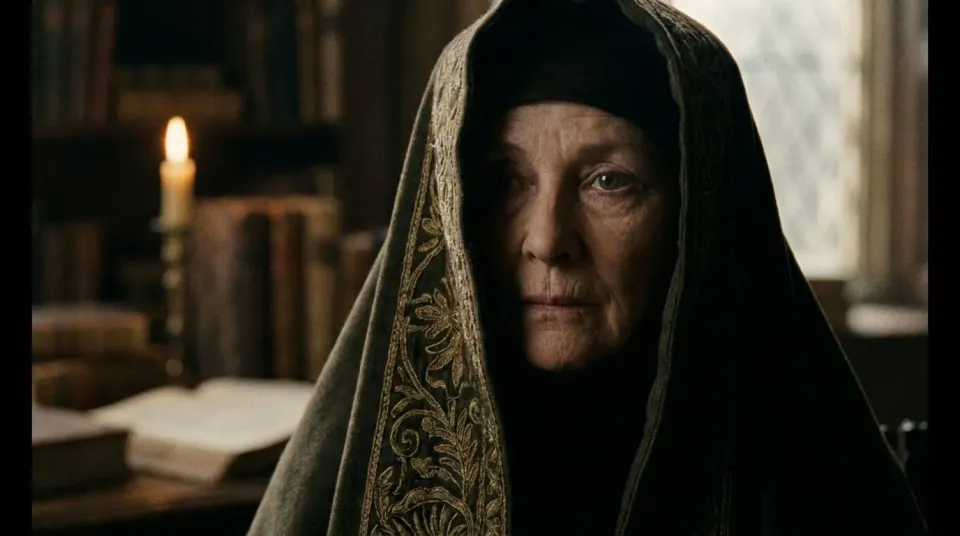
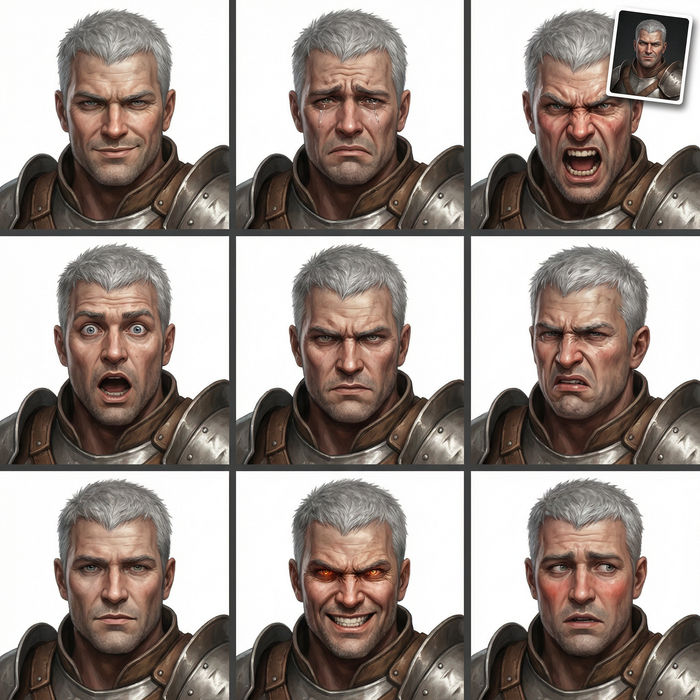
The beat where the chapter pivots. Drafted cheaply at preview resolution first, then rendered at full once the turn is the keeper, so the budget follows the scenes that make the episode.
编辑提示词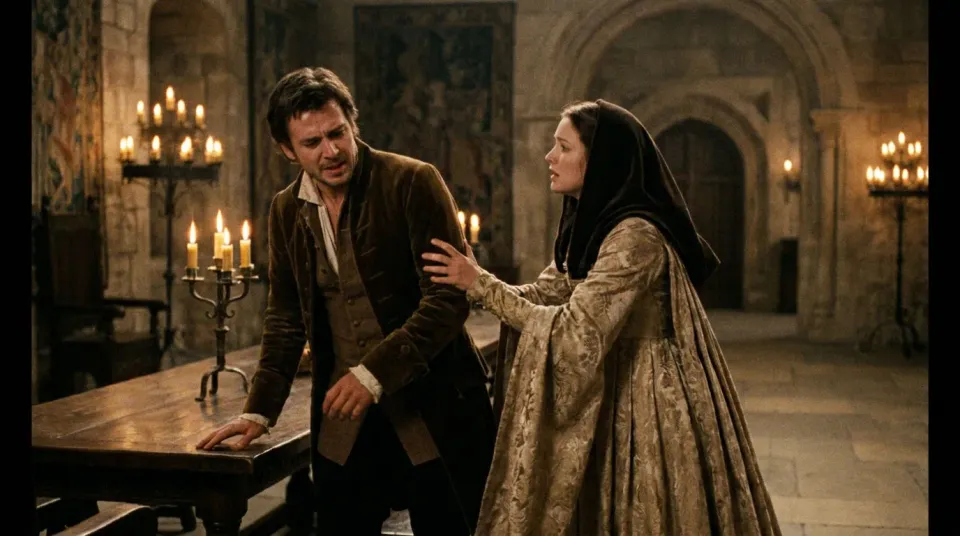
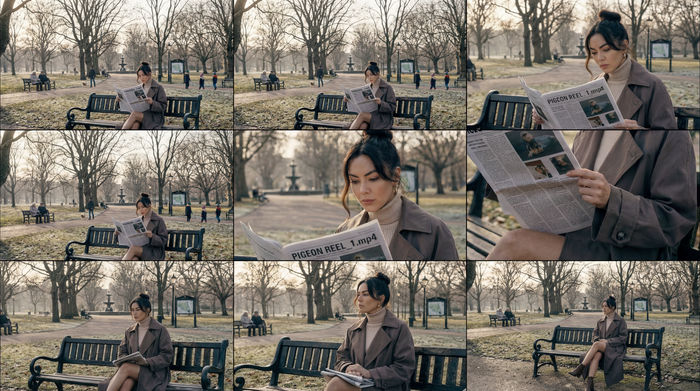
The last frame before the cut, the hook the chapter ends on. The saved cast lands the reaction so the cliffhanger reads as the same character the reader has been following.
编辑提示词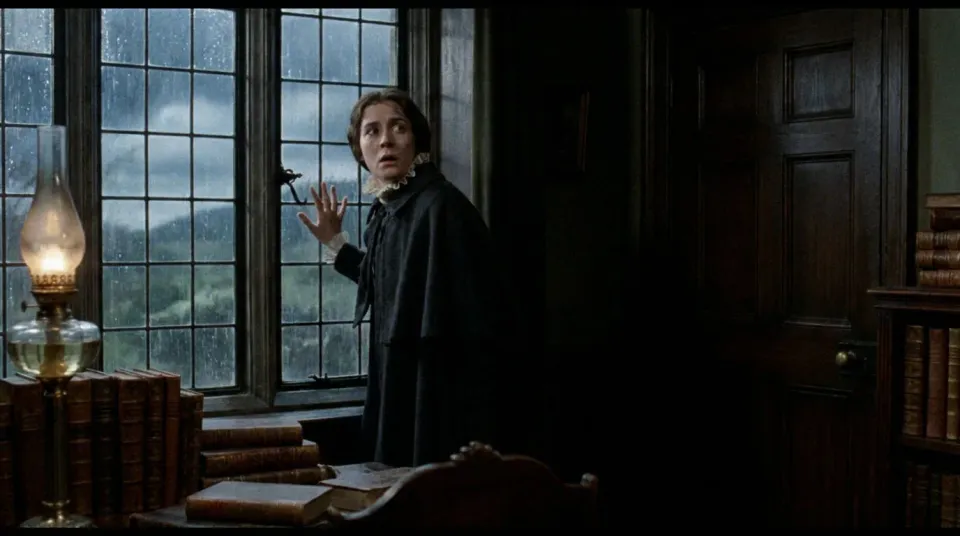
AI covers the breakdown, the casting and the generation. Adaptation choices, casting approval, the review gates and the rights to the source novel stay with a person, so here is where each one sits.
今天就免费开始,随时可以升级或取消。
Basic
2400 每月 信用
1 个用户
所有模型
工作流
Standard
3625 每月 信用
1 个用户
所有模型
工作流
Pro
6350 共享 每月 信用
1 用户
所有模型
工作流
Max
24650 共享 每月 信用
1 用户
所有模型
工作流
Enterprise
更高的限制
自定义
定价和账单条款

Free
供随意体验
$0
永久免费