Snap the audience back to something they just saw
A two second backwards rush throws a viewer to an earlier moment. It reads instantly on a short, in an animated sequence, or in a game replay with no caption needed.
Modifier le prompt
The sound of something being wound back. Name the machine, say how fast it spins and how it stops, and get a take cut to your own edit.
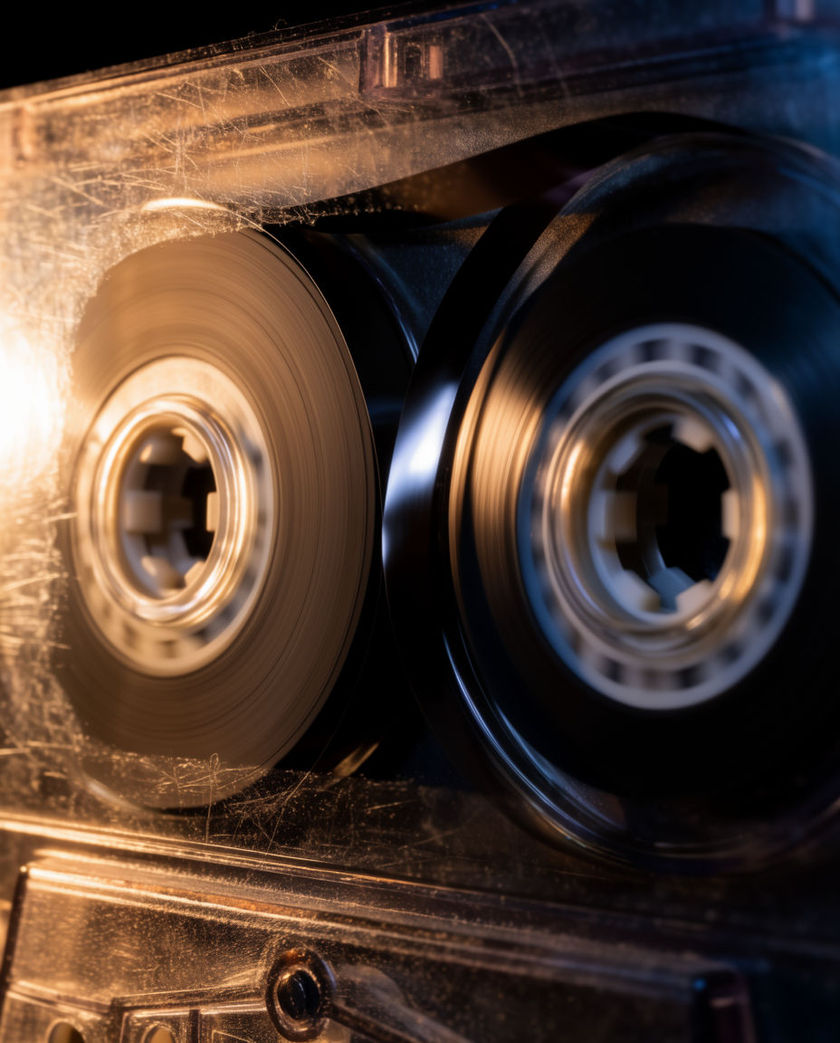
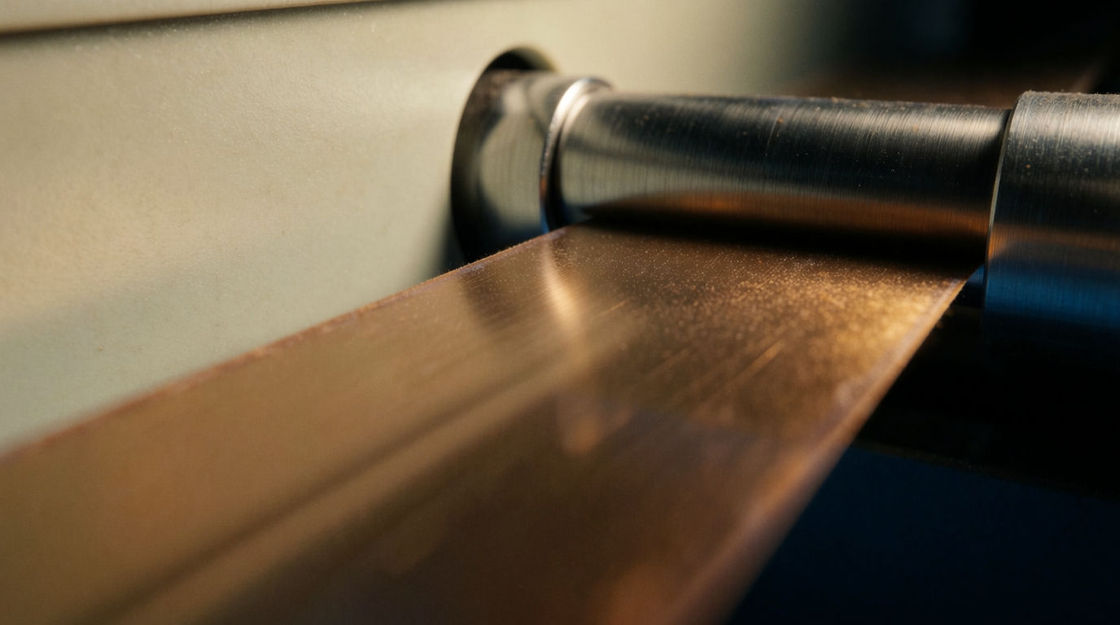
A motor dragging tape backwards past metal, climbing in pitch as the reel gathers speed. The card most edits want, because the rising pitch is what makes it read as rewinding rather than simply spinning.

Three events in order: the clunk into gear, the spool, and the clack at the end. The mechanical bookends are what place a physical machine in the room rather than an effect on a timeline.

Air pulled inward, swelling and stopping at its peak. No machine in it at all, so it suits a stylised jump back in time where a tape deck would date the scene.

Sound chopped into short backwards smears at an even rate. It reads as digital rather than mechanical, which is the right choice when the thing being wound back is footage on a screen.
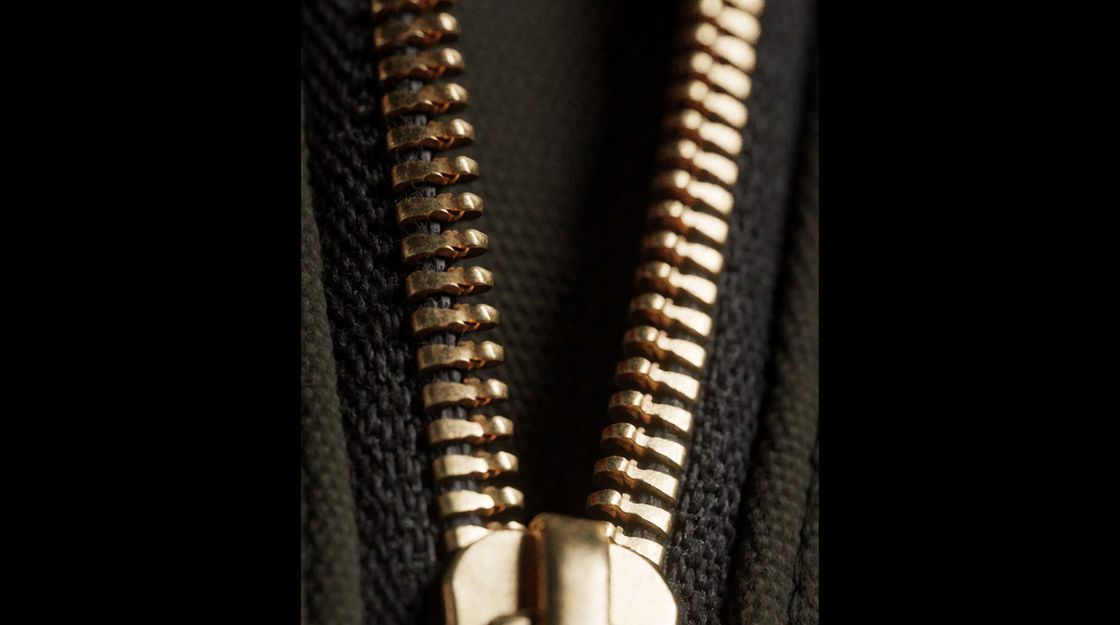
A ratchet run backwards, dozens of tiny clicks accelerating and climbing together. The cartoon version, and the only card here that is funny rather than mechanical.

Twelve seconds of steady spooling that slows and knocks to a halt. Long enough to run under a recap, where every short rewind has to be joined and the join is always audible.
Choisissez un point de départ, modifiez ce que vous voulez, puis générez dans Morphic.
A two second backwards rush throws a viewer to an earlier moment. It reads instantly on a short, in an animated sequence, or in a game replay with no caption needed.
Modifier le promptTwelve seconds of spooling carries a whole run of clips on its own. It keeps the mid range clear, so a narrator can talk across the top of it the entire time.
Modifier le prompt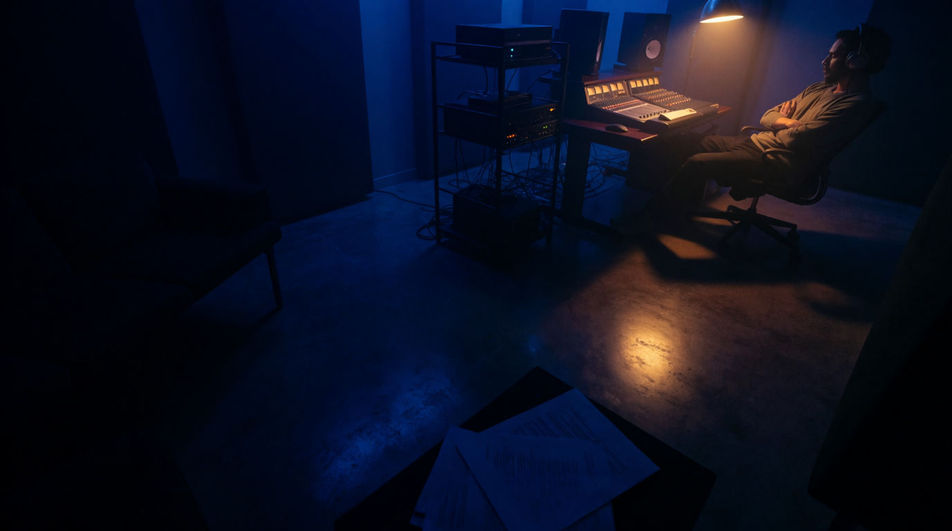
A deck clunking into gear places a story squarely in the cassette era. The chopped digital version moves the same edit forty years later without touching the picture.
Modifier le prompt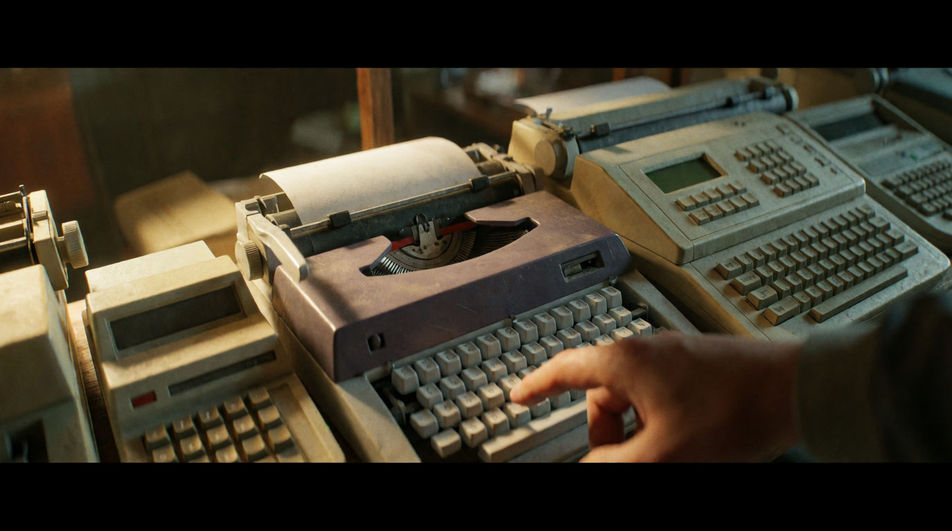
A whirr rising in pitch puts a working deck just off frame. The audience builds the object from the motor alone, which is cheaper than dressing a set for it.
Modifier le prompt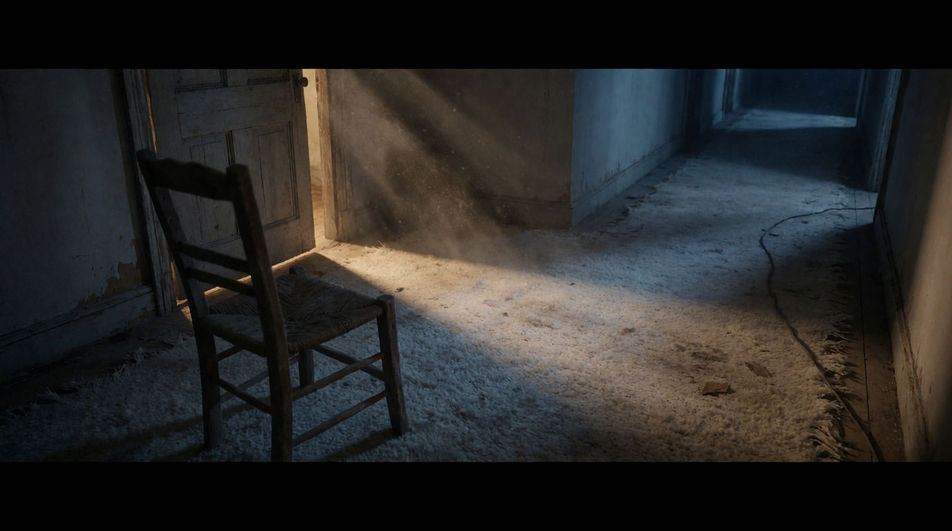
Final sound effects
Generate final sound effects with AI on Morphic. Describe the sound, pick a variation, and download MP3 or WAV for your video, game or podcast.
Flashback sound effects
Browse ready-made flashback sound effect clips, then generate your own at the length your scene needs. Morphic makes sound, voice, image and video in one workspace.
Flying sound effects
Generate flying sound effects with AI on Morphic. Describe the sound, pick a variation, and download MP3 or WAV for your video, game or podcast.
Freeze frame sound effects
Freeze frame sound effects: six ways to stop the picture cold, from a record scratch to a shutter snap, so the pause lands exactly where you cut it.
Commencez gratuitement dès aujourd'hui, avec la possibilité de mettre à niveau ou d'annuler à tout moment.
Basic
2400 mensuel crédits
1 utilisateur uniquement
Tous les modèles
Workflows
Standard
3625 mensuel crédits
1 utilisateur uniquement
Tous les modèles
Workflows
Pro
6350 partagé mensuel crédits
1 utilisateur
Tous les modèles
Workflows
Max
24650 partagé mensuel crédits
1 utilisateur
Tous les modèles
Workflows
Enterprise
Pour des limites plus élevées
Personnalisé
conditions de tarification et de facturation
Free
Pour expérimenter
$0
gratuit pour toujours