Proportion study sheet
One infant head drawn four times in technical pen, front, three quarter, profile and top down, with hand-ruled guide lines and blank margin labels.
Edit prompt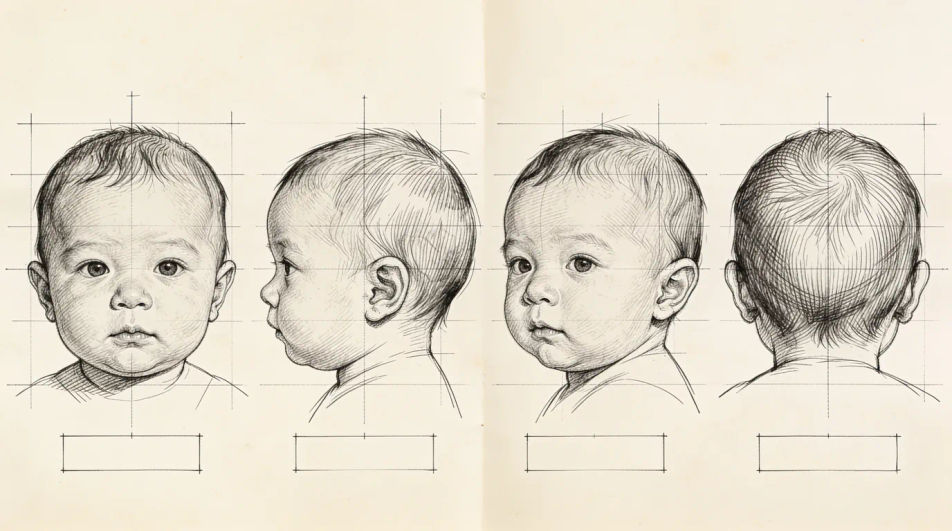
Describe the baby drawing you want in Morphic's Image tool, from a two-line sleeping outline to a full graphite head study, and get a finished drawing back. Set the pose, the age, the medium, the line weight and the paper, refine it on the Canvas, then download it in HD.
One infant head drawn four times in technical pen, front, three quarter, profile and top down, with hand-ruled guide lines and blank margin labels.
Edit promptA cot seen from the side in fine ink line, the bars ruled evenly and the baby a small soft shape inside, the bedding left mostly blank.
Edit prompt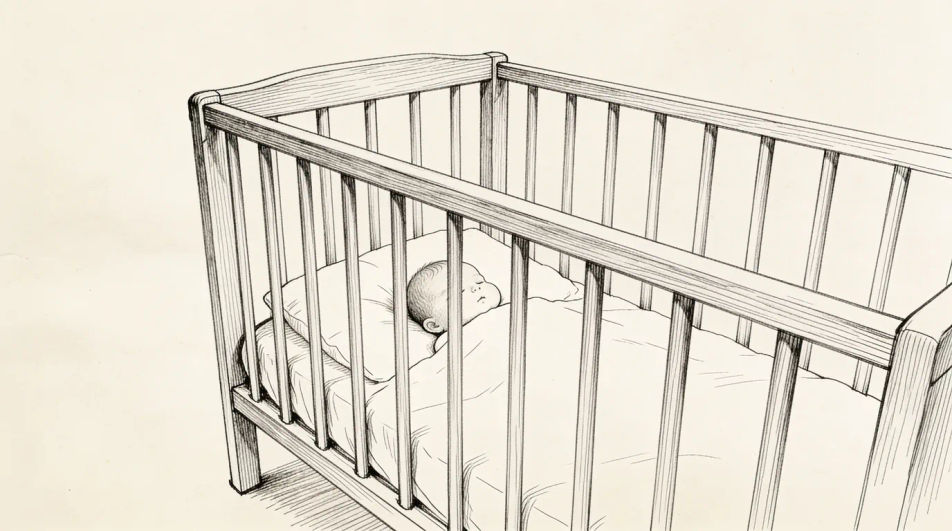
An adult holding an infant in charcoal, the two silhouettes read as one mass with light lifted along the shoulder and the baby drawn sharpest.
Edit prompt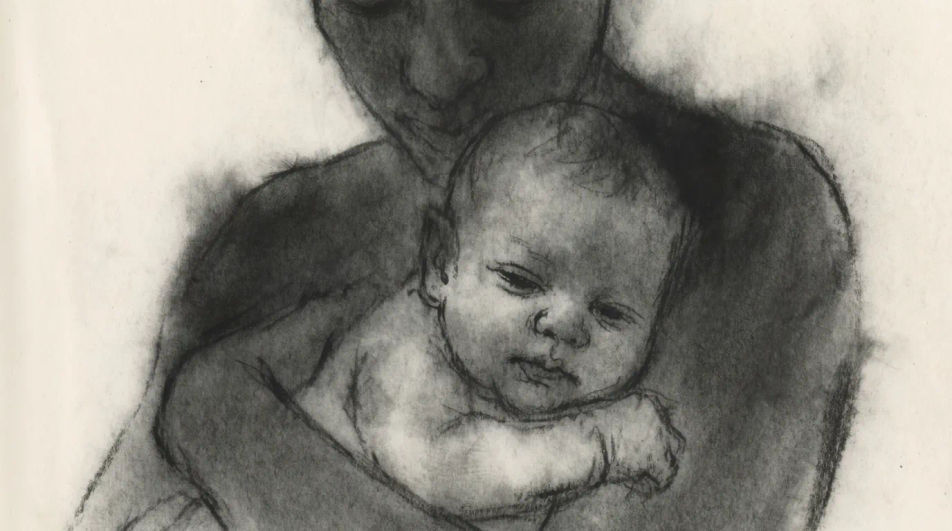
A pram parked in profile in even ink line, the wheels and hood ruled cleanly and a flat grey wash marking the shadow it casts on the ground.
Edit prompt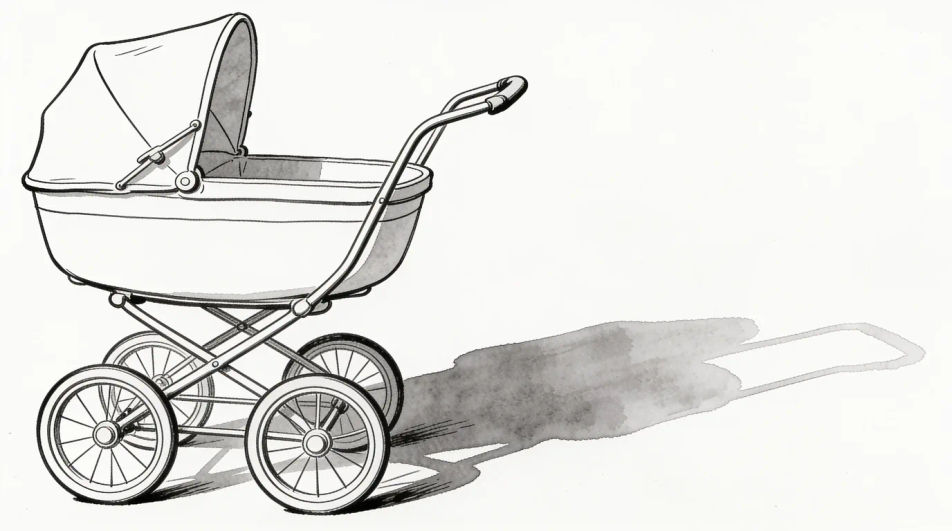
Describe the Baby drawing you want, in plain words.
Morphic generates a clean, ready-to-publish image on your canvas in seconds.
Tweak the prompt, regenerate variations, then download or share the frame.
Pick a reference image, apply its visual style to your own photo or artwork.
Convert any image to a new aspect ratio. Smart crop or extend the edges to fit.
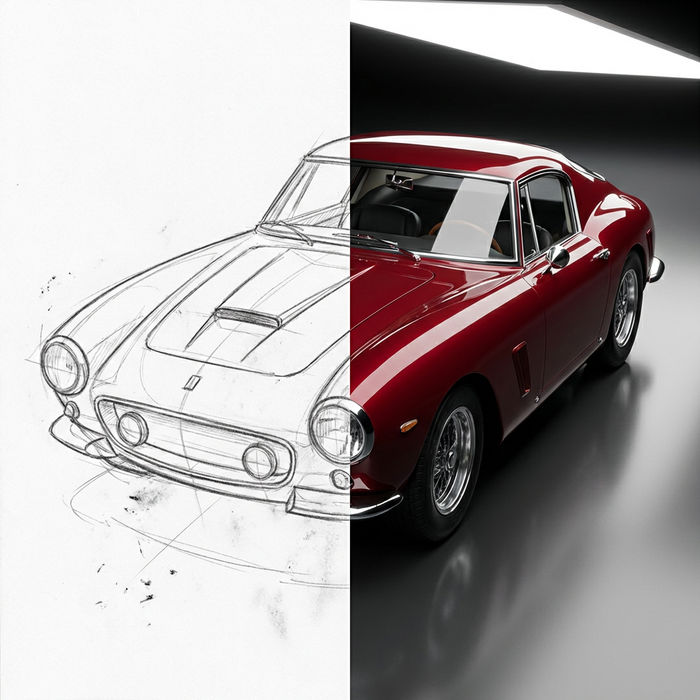
Turn any sketch or drawing into a finished render.
Restyle any video in a completely new visual style. Every frame transforms, all motion stays intact.
Reimagine any anime character as a photorealistic, high-fashion live-action portrait.
One selfie becomes a set of professional headshots. Studio-quality, multiple styles.
Children drawing maker
Turn a children drawing idea into a finished image in Morphic. Describe the line work and style, generate variations, then refine it on the canvas.
Face AI drawing
Create AI face drawings with our face drawing generator. Find detailed face drawings for any project in seconds.
Drawing for kids
Turn a kids drawing idea into a finished image in Morphic. Describe the line work and style, generate variations, then refine it on the canvas.
Kali Maa drawing maker
Turn a Kali Maa drawing idea into a finished image in Morphic. Describe the line work and style, generate variations, then refine it on the canvas.
Get started for free today, with the option to upgrade or cancel anytime.
Basic
2400 monthly credits
1 user only
All models
Workflows
Standard
3625 monthly credits
1 user only
All models
Workflows
Pro
6350 shared monthly credits
1 user
All models
Workflows
Max
24650 shared monthly credits
1 user
All models
Workflows
Enterprise
For higher limits
Custom
pricing and billing terms

Free
For playing around
$0
forever free