Specimen study sheet
One coral drawn four times in technical pen, the whole colony, a branch, a polyp and a cut section, with hand-ruled margins and blank labels.
Edit prompt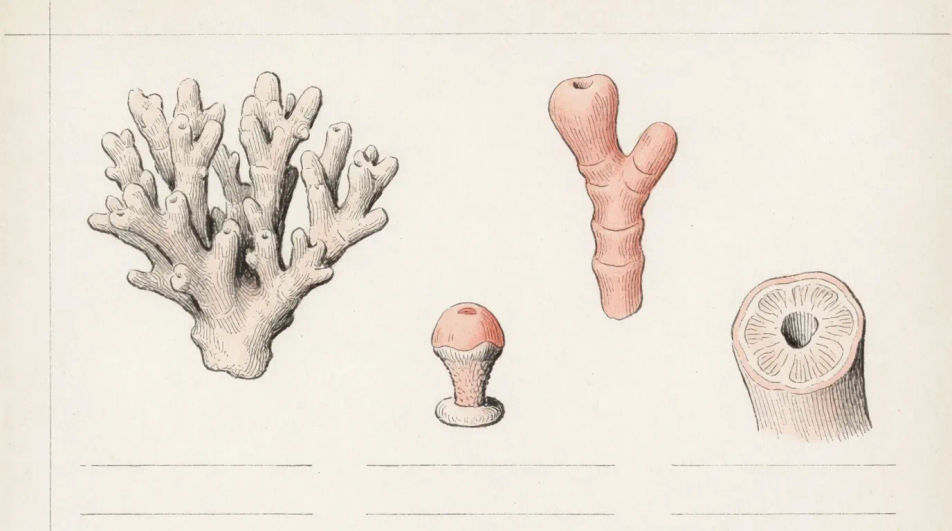
Describe the coral you want in Morphic's Image tool, from one branching stag horn to a full specimen study sheet, and get a finished drawing back. Set the growth form, the surface texture, the medium, the line weight and the paper, refine it on the Canvas, then download it in HD.
One coral drawn four times in technical pen, the whole colony, a branch, a polyp and a cut section, with hand-ruled margins and blank labels.
Edit promptFive growth forms lined up in fine ink line, branching, plate, boulder, fan and soft, each at the same width so the structures can be compared.
Edit prompt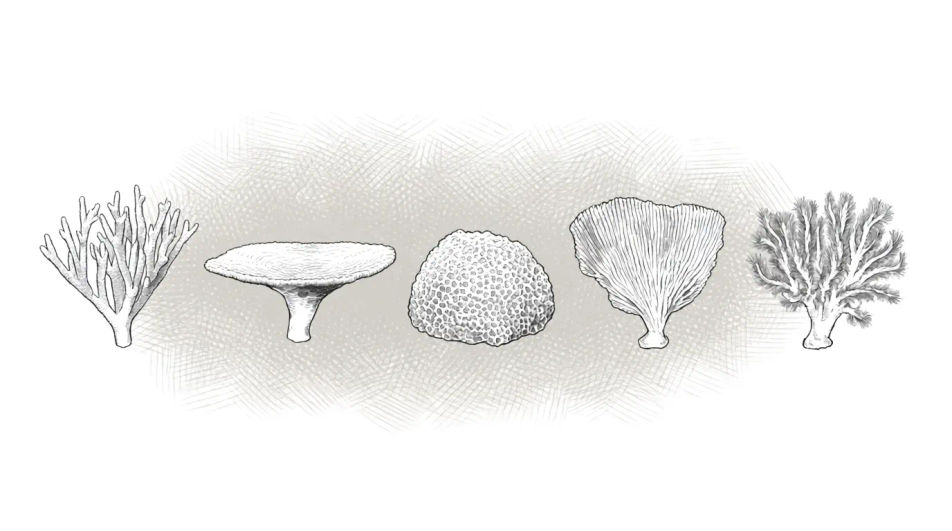
Several corals crowded on a ledge in ink line, the rock ruled loosely and a flat grey wash carrying the shade between the colonies.
Edit prompt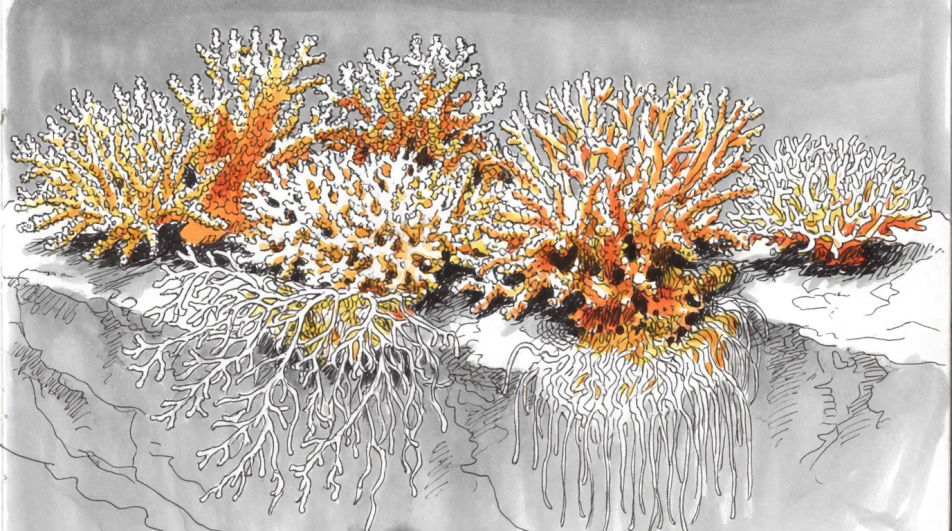
A pale colony in charcoal against a smudged dark ground, the branch tips lifted out with an eraser and the lower arms left broken and soft.
Edit prompt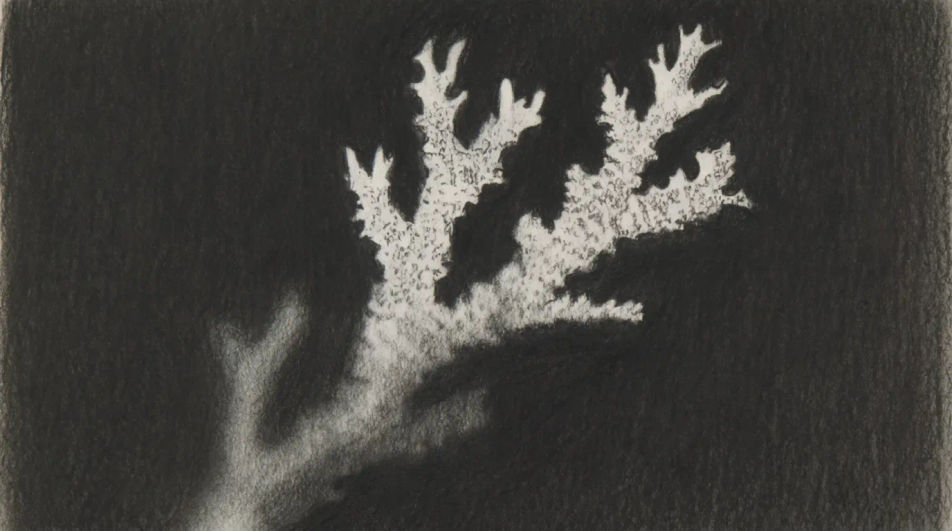
Describe the Coral drawing you want, in plain words.
Morphic generates a clean, ready-to-publish image on your canvas in seconds.
Tweak the prompt, regenerate variations, then download or share the frame.
Choose your viewing angles and get precise perspective shifts of any image with full camera control.
Pick a reference image, apply its visual style to your own photo or artwork.
Convert any image to a new aspect ratio. Smart crop or extend the edges to fit.
Pair a garment photo with a person photo. See them wearing it, identity stays intact.
Set the look with one reference image. Apply that exact grade to any scene or batch.
Fix plastic-looking AI skin. Adds natural texture, pores, and imperfections for realism.
Coral reef drawings from single coral to full wall
Turn a coral reef drawing idea into a finished image in Morphic. Describe the line work and style, generate variations, then refine it on the canvas.
Seaweed drawings from single frond to kelp forest
Turn a seaweed drawing idea into a finished image in Morphic. Describe the line work and style, generate variations, then refine it on the canvas.
Seashell drawings in any medium
Turn a seashell drawing idea into a finished image in Morphic. Describe the line work and style, generate variations, then refine it on the canvas.
Flower field drawing maker
Turn a flower field drawing idea into a finished image in Morphic. Describe the line work and style, generate variations, then refine it on the canvas.
Get started for free today, with the option to upgrade or cancel anytime.
Basic
2400 monthly credits
1 user only
All models
Workflows
Standard
3625 monthly credits
1 user only
All models
Workflows
Pro
6350 shared monthly credits
1 user
All models
Workflows
Max
24650 shared monthly credits
1 user
All models
Workflows
Enterprise
For higher limits
Custom
pricing and billing terms

Free
For playing around
$0
forever free