Pull back shot
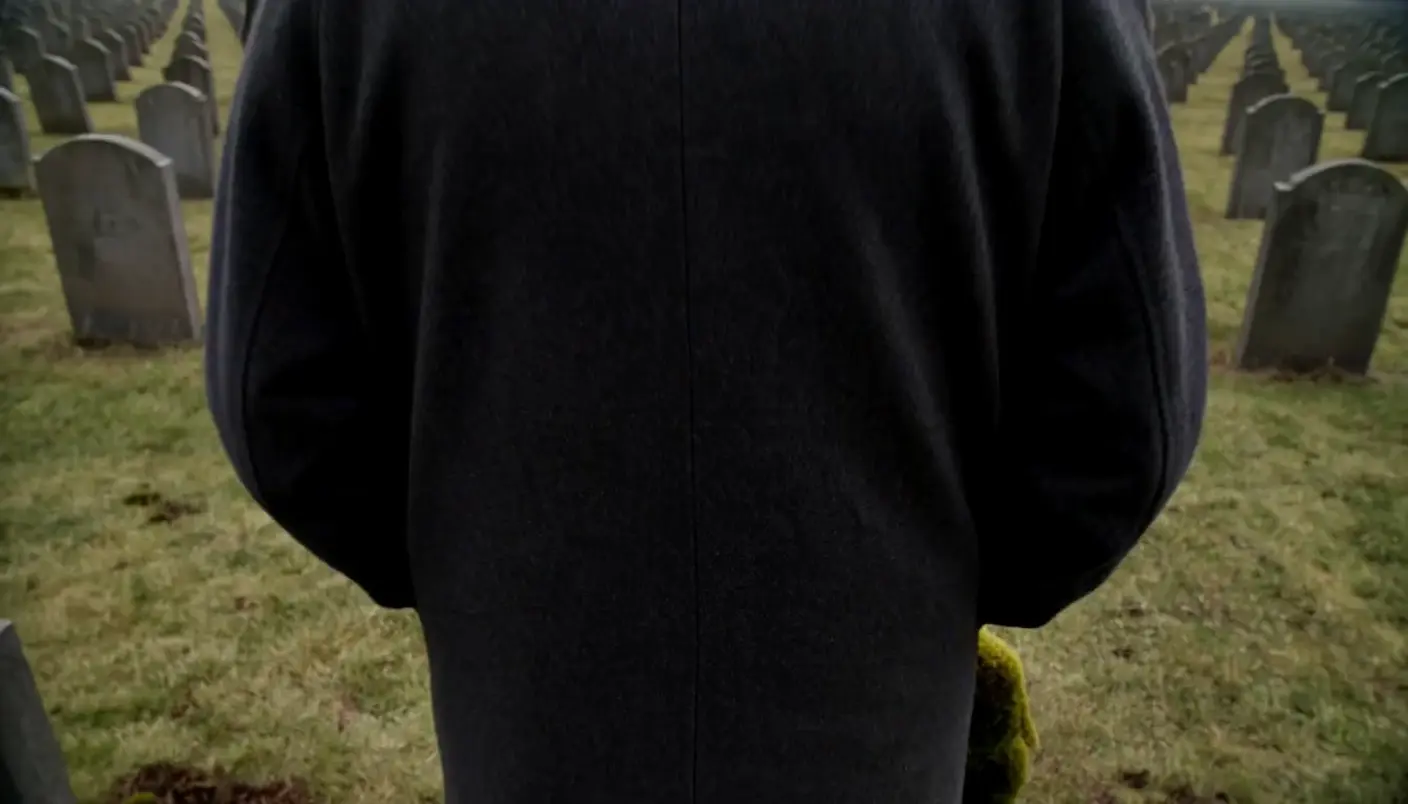
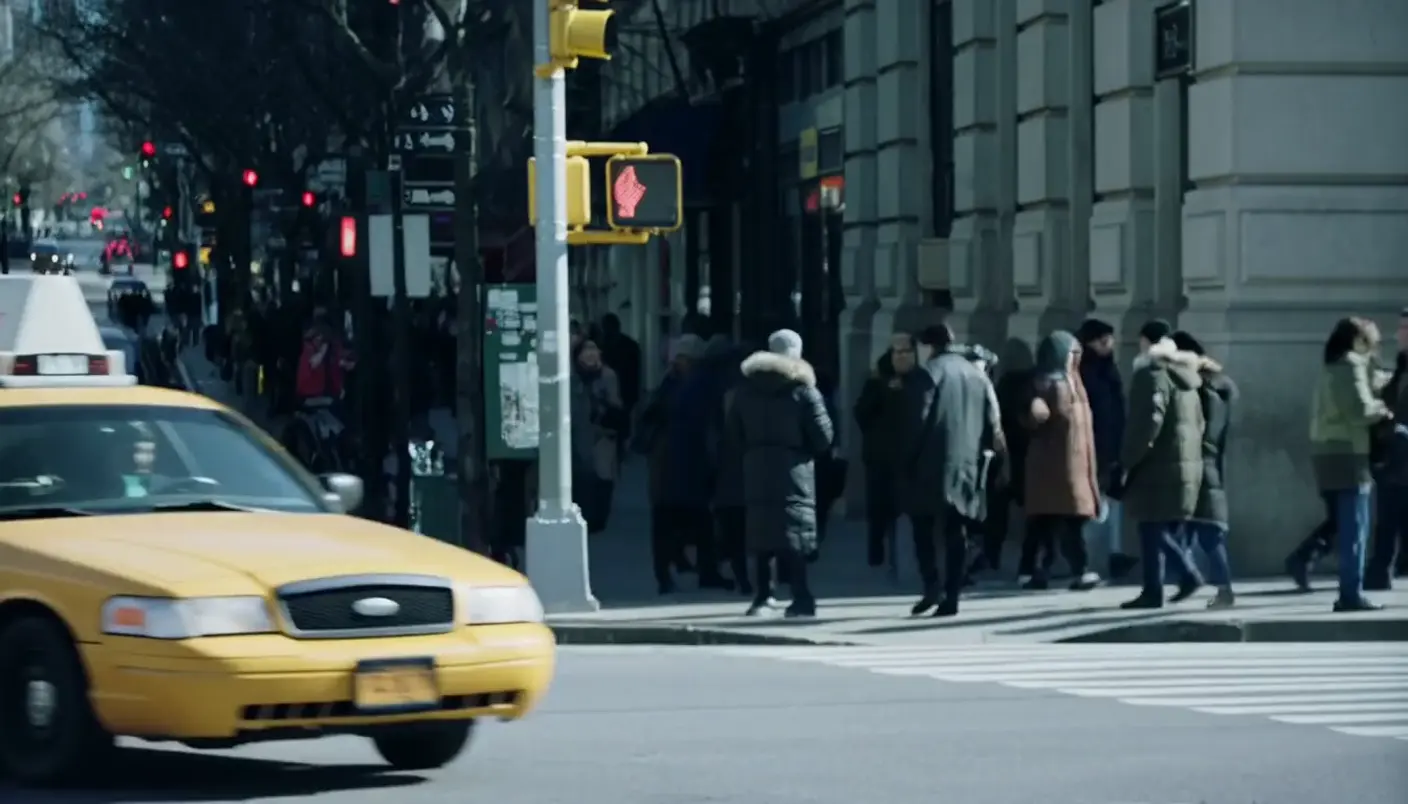
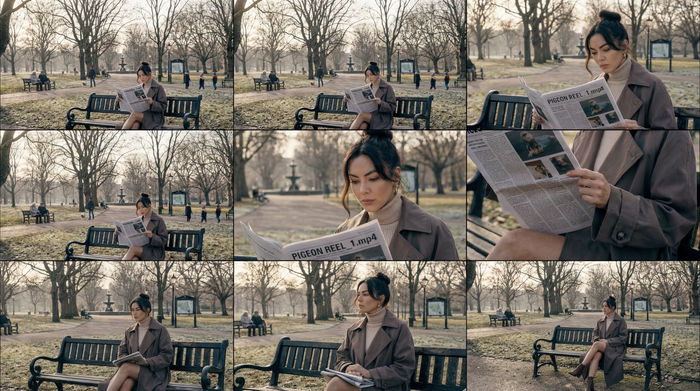
A pull back shot retreats the camera away from the subject, widening the frame to reveal context that was hidden. It reframes a moment, often with a twist, by showing what was just outside the edges. Generate the tight frame in Morphic, then pull back with Image to Video.
Pull back shots you can generate




When to use a pull back shot
The reveal
Start tight and retreat to expose context the frame was hiding, the heart of the pull back’s impact.
A twist of meaning
Pull back to recast what a shot meant, showing a watcher, a screen, or a setting that changes everything.
Isolation and scale
Widen from a person to an empty space around them to make them small, alone, or overwhelmed by scale.
Ending a scene
A slow pull back lets a moment breathe and recede, a natural way to close a scene or the whole film.
Related camera moves
Make Pull back shot in three steps
- 01
Describe your image
Describe the Pull back shot you want, in plain words.
- 02
Generate the image
Morphic generates a clean, ready-to-publish image on your canvas in seconds.
- 03
Refine and share
Tweak the prompt, regenerate variations, then download or share the frame.

Cinematic storyboard
Share a scene description with character references. Get a full storyboard with shot angles and mood.
3x3 storyboard
Feed in a single image. Get 9 cinematic beats laid out as a 3x3 storyboard grid.
Cinematic scene
One image to a 9-scene cinematic video.

Messages to cinematic scene
Dramatize any text conversation into a cinematic multi-shot video.
Time-freeze effect
Cinematic time-freeze short film for any scene
Put yourself in a movie
Drop in a photo of yourself. Get a 12-second cinematic movie with animation and a matched soundtrack.
You might also like
Wide shot
A wide shot places the subject inside their surroundings. See how it differs from a long shot, when to use each, and generate one in Morphic.
Establishing shot
An establishing shot opens a scene by showing the location first. See how it differs from a wide shot and generate one from a prompt in Morphic.
Roll shot
A roll shot rotates the camera around its lens axis, tilting the horizon in motion. See how it differs from a dutch angle, and animate one in Morphic.
Steadicam shot
A steadicam shot glides with the subject on a stabilized rig, smooth but free. See how it differs from handheld and a dolly, and animate one in Morphic.
Simple pricing
Get started for free today, with the option to upgrade or cancel anytime.
Basic
2400 monthly credits
1 user only
All models
Workflows
Standard
3625 monthly credits
1 user only
All models
Workflows
Pro
6350 shared monthly credits
1 user
All models
Workflows
Max
24650 shared monthly credits
1 user
All models
Workflows
Enterprise
For higher limits
Custom
pricing and billing terms

Free
For playing around
$0
forever free