Give a movement somewhere to go
A whoosh implies travel, so a character or a graphic arriving feels like it came from somewhere rather than appearing.
Edit prompt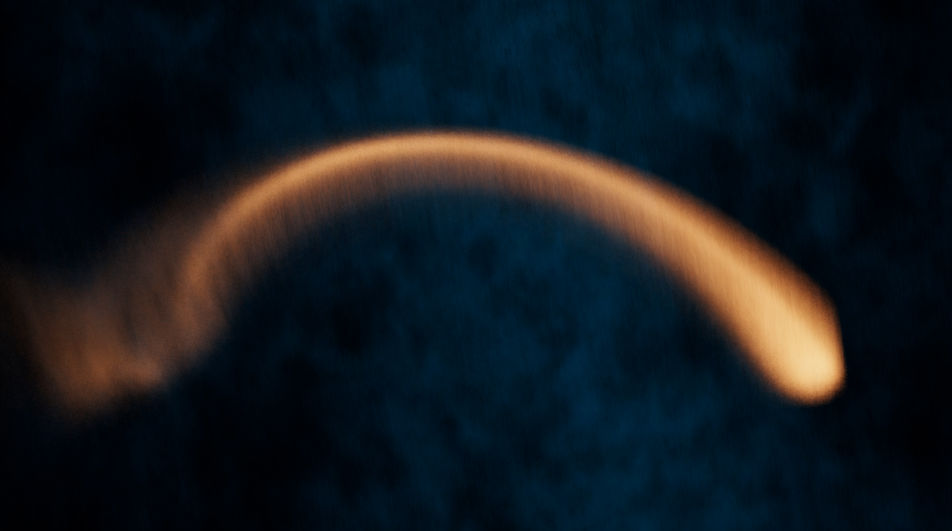
Boings, whooshes, splats, slide whistles, anvil drops, and the pattering run before a character leaves the frame. Six devices, not six variations.


A smooth air rush sweeping up then away. It gives movement somewhere to go, which a static hit never does.
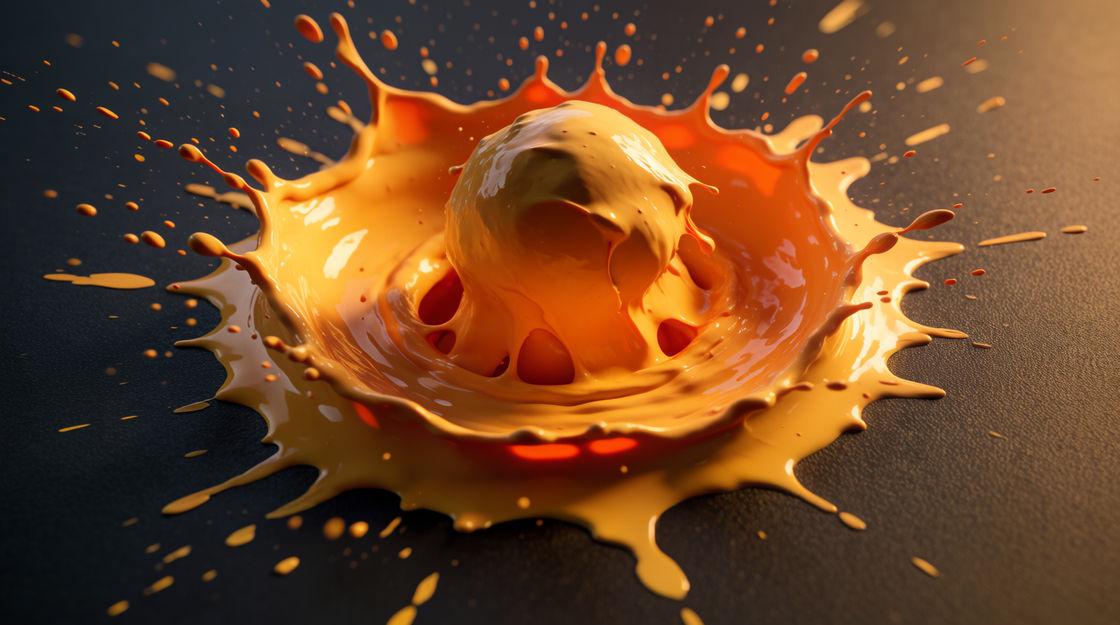
One thick slapping impact with a soft spreading tail. The spread is what makes it wet rather than merely hard.
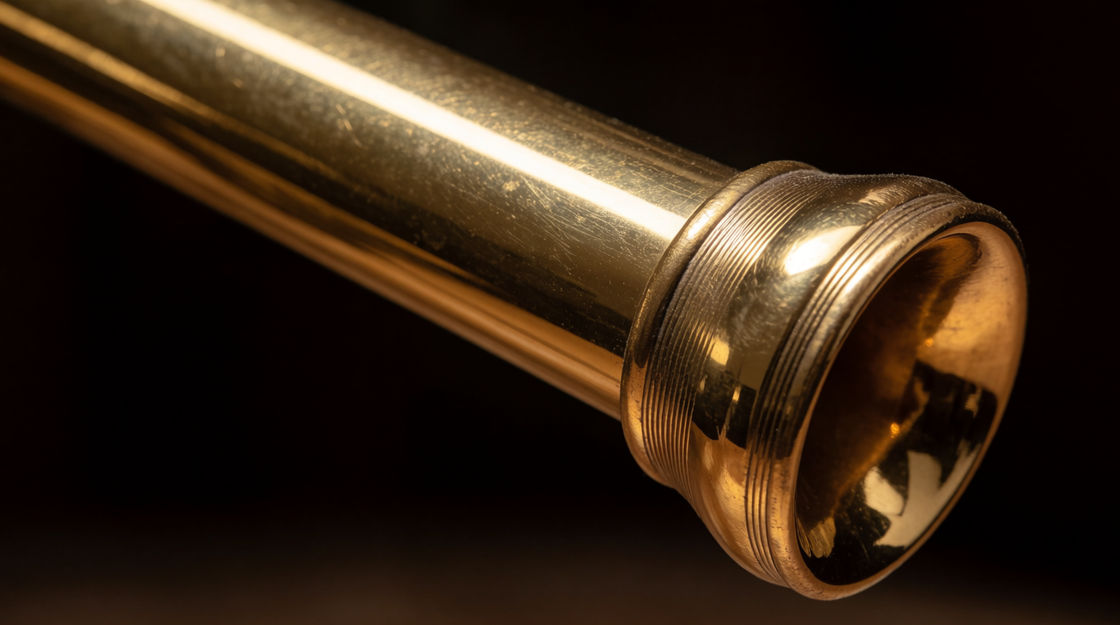
A thin swoop up and back in one glide. It exaggerates movement, so it needs something physically happening to sit against.
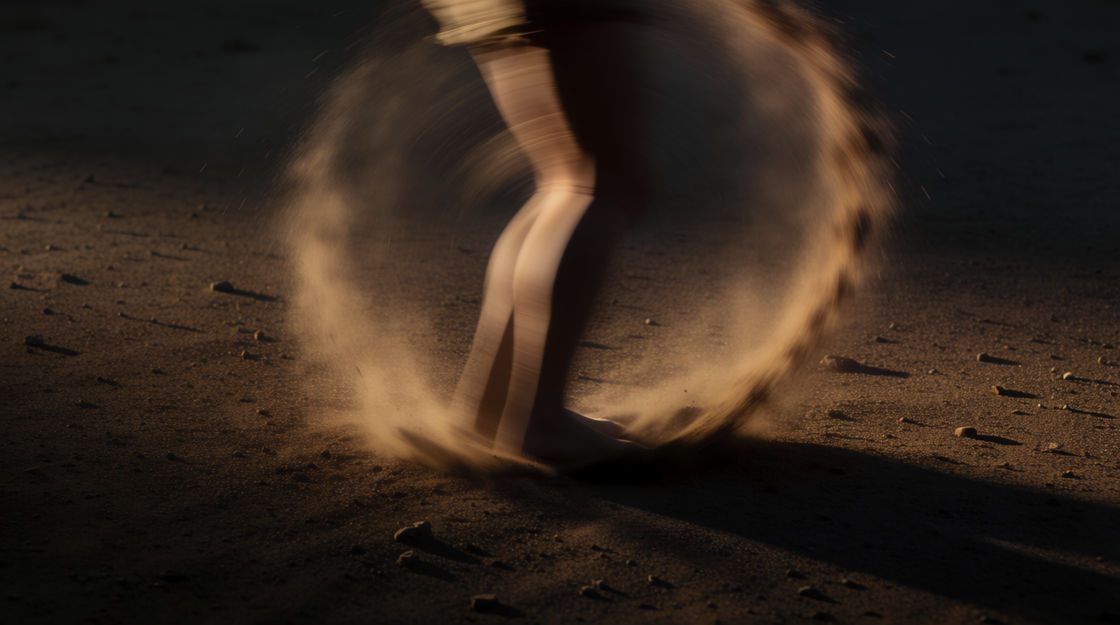
Rapid pattering on the spot then accelerating away. The spin before the exit is the whole gag.

A descending whistle into a heavy metallic clang. Two parts, and the whistle is what tells the audience it is coming.

Three light rounded pops rising in pitch. Small and bright, and it suits something appearing rather than landing.
Pick a starting point, edit anything you like, then generate it in Morphic.
A whoosh implies travel, so a character or a graphic arriving feels like it came from somewhere rather than appearing.
Edit promptPattering feet accelerating away carries the whole action, so the frame can stay still while the character leaves.
Edit prompt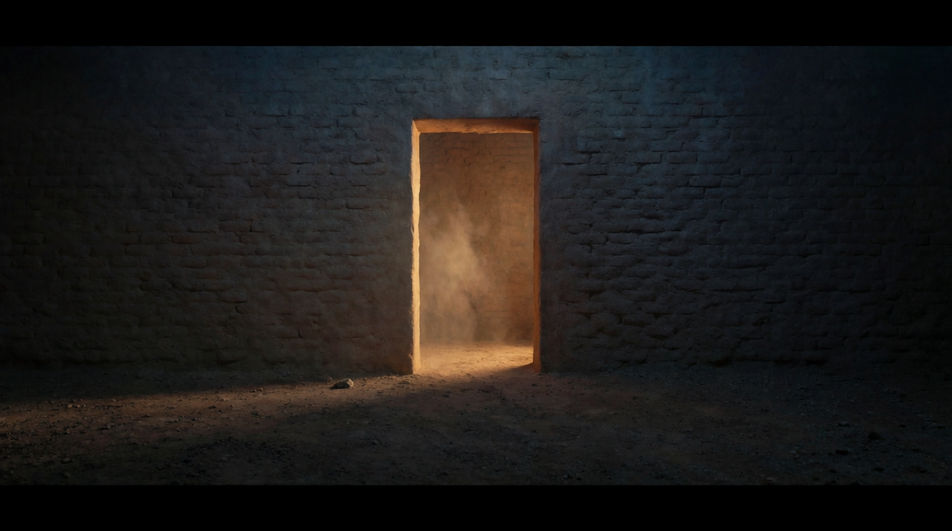
A descending whistle before the clang gives them a second to anticipate, which is what makes the impact land.
Edit prompt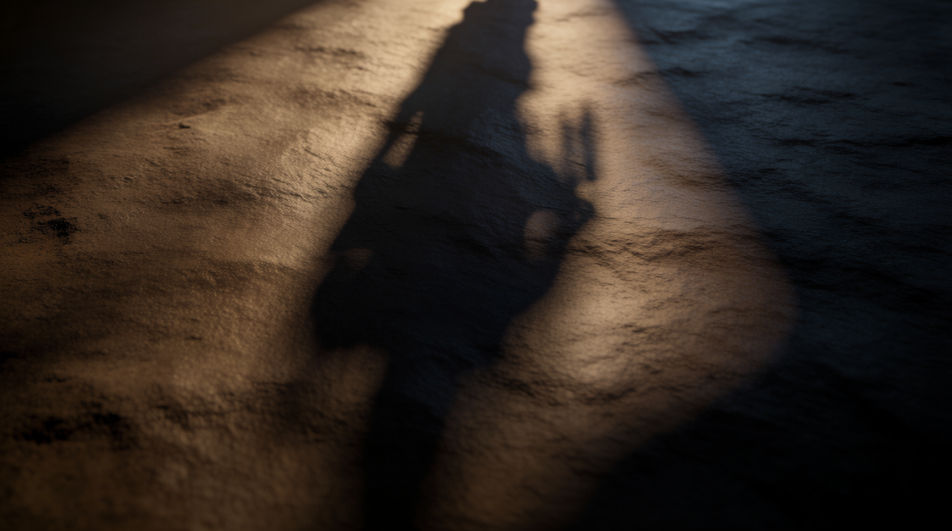
A splat off screen tells the audience exactly what happened, and their imagination supplies a messier version.
Edit prompt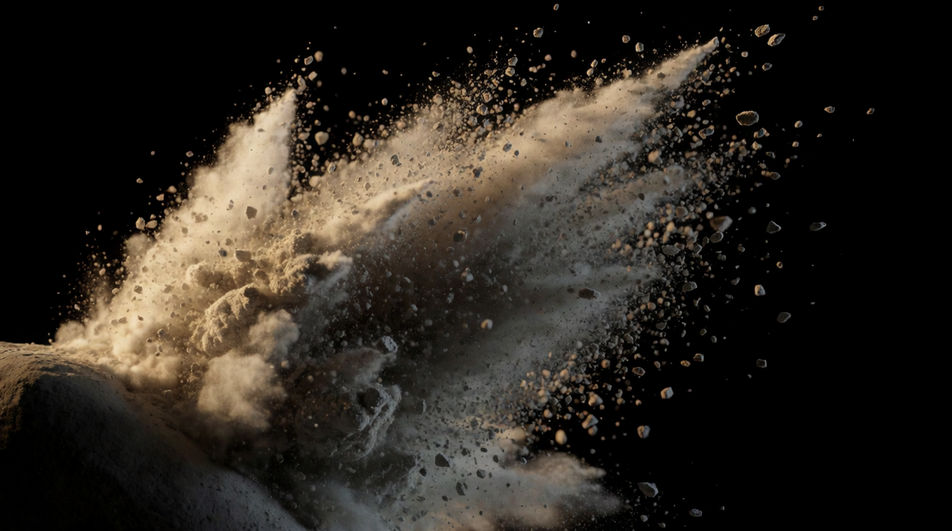
Cartoon footsteps sound effects
Cartoon footsteps sound effects, tiptoes, stomps, scampering runs and a skid to a halt, timed for hand-drawn animation, game characters and comedy edits.
Cartoon jump sound effects
Cartoon jump sound effects for springy hops, high leaps and comic launches. Generate a boing that fits your character's weight and timing exactly.
Cartoon punch sound effects
Cartoon punch sound effects for slapstick hits, comic brawls and knockout gags. Make a whack with the impact weight your animation needs, not a stock thud.
Cartoon run sound effects
Morphic creates cartoon run sound effects from a prompt. Get playful, well timed hits that match the animation rather than approximating it.
Get started for free today, with the option to upgrade or cancel anytime.
Basic
2400 monthly credits
1 user only
All models
Workflows
Standard
3625 monthly credits
1 user only
All models
Workflows
Pro
6350 shared monthly credits
1 user
All models
Workflows
Max
24650 shared monthly credits
1 user
All models
Workflows
Enterprise
For higher limits
Custom
pricing and billing terms

Free
For playing around
$0
forever free