Mark the frame where something changes
A single struck chord lands wherever you place it, which is what makes it work on a reveal in a trailer, a boss appearing in a game, or a turn in an animated short.
Edit prompt
The cue that tells an audience something just changed. Stabs, swells and struck hits, built at the weight your moment needs and with the tail running exactly as long as your cut holds.

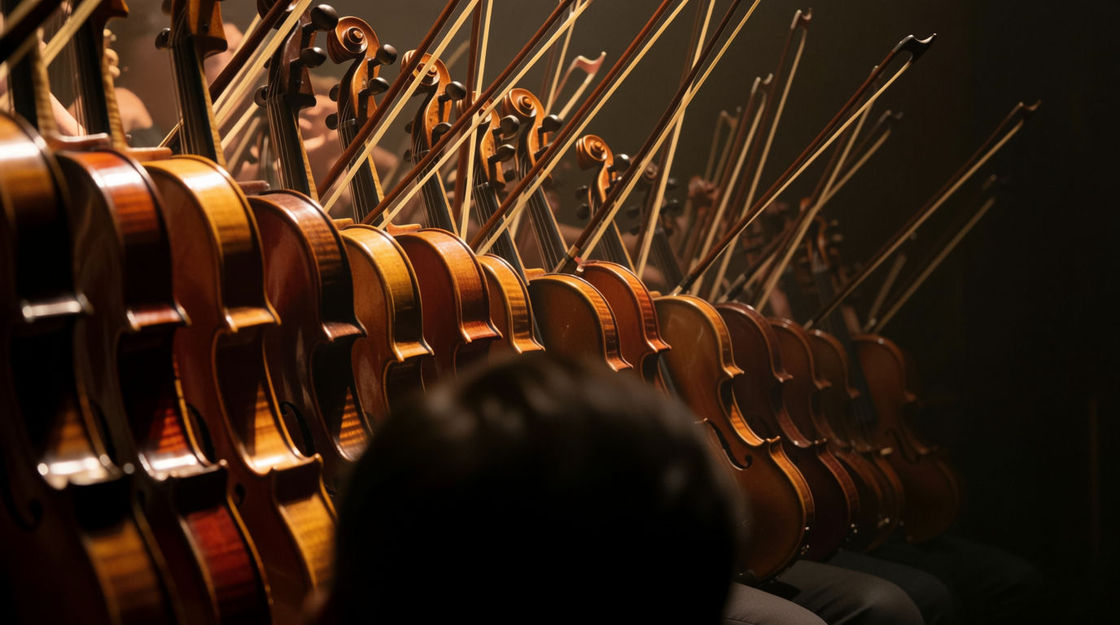
One hard chord struck together and left to darken. This is the version most edits reach for, because it marks a frame on its own without any music needing to be there.
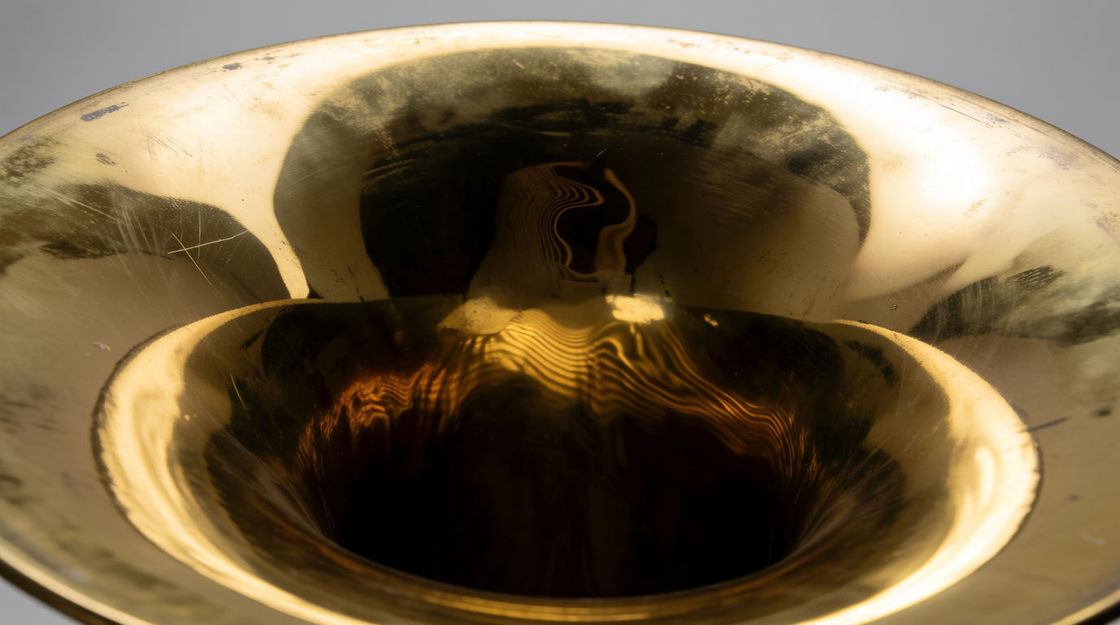
Low brass growing from soft to blaring and then stopping dead. Because it arrives rather than hits, it can run under several seconds of picture and still land on your cut.
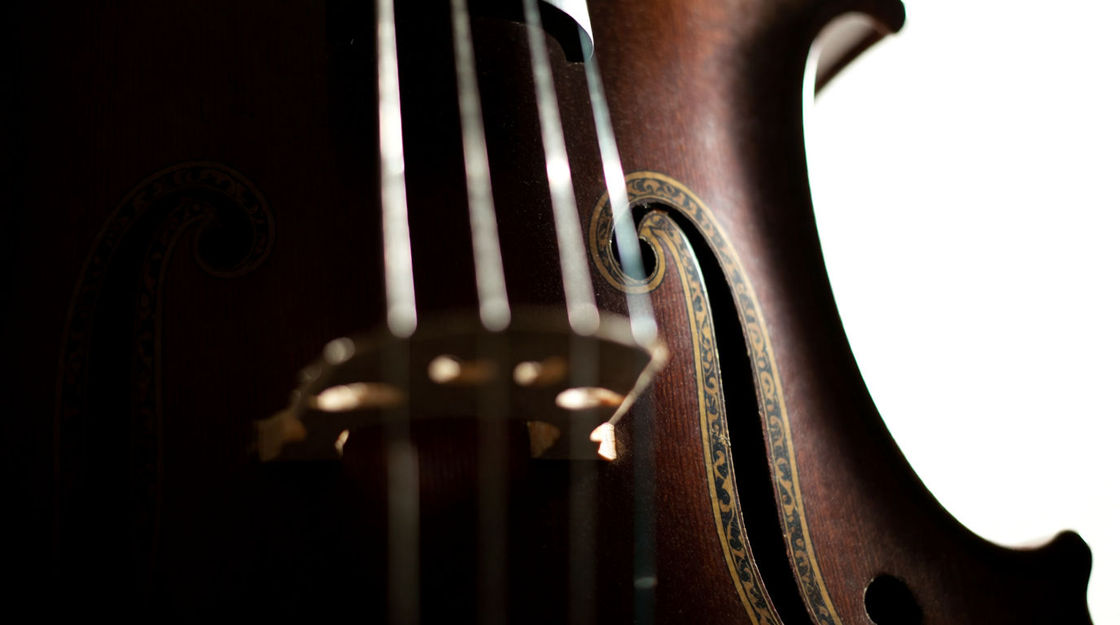
A high shivering bed of bowed strings that never resolves. It holds a scene taut for as long as you need, and unlike a music cue it will not fight the dialogue over it.
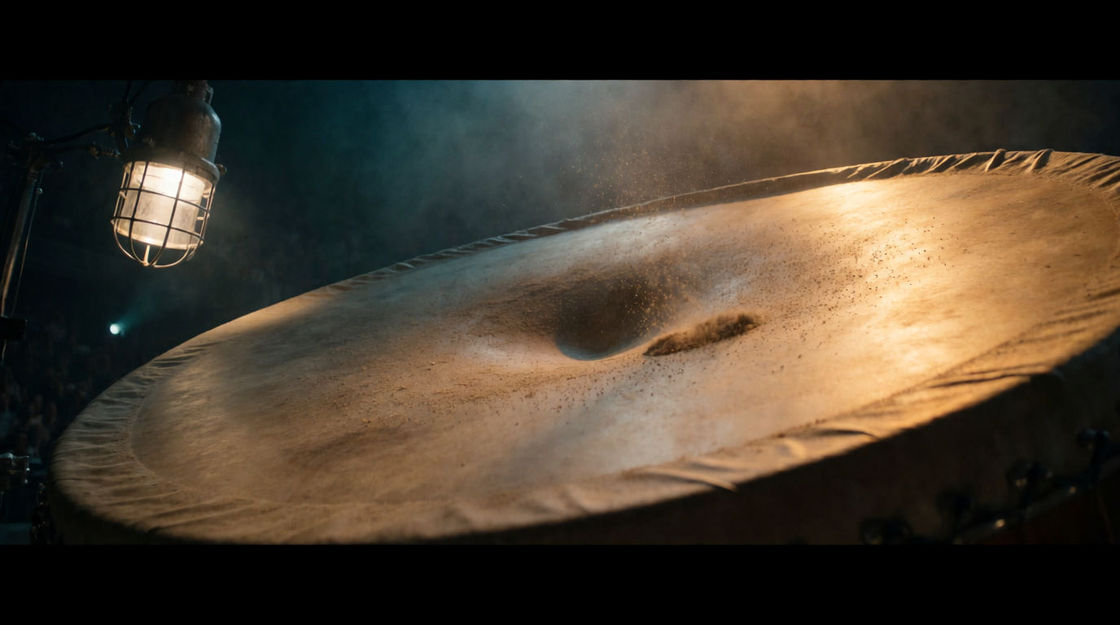
A sustained low bed with a single impact dropped on top. The bed does the waiting and the impact does the punctuation, so one clip covers a whole beat.

A dark rush that grows backwards and resolves on one strike. The build tells the audience the moment is coming, which makes the hit read as inevitable rather than sudden.

A plate hit hard and left ringing for eight seconds. The tail is the useful part, because it carries straight across an edit point and joins two shots together.
Pick a starting point, edit anything you like, then generate it in Morphic.
A single struck chord lands wherever you place it, which is what makes it work on a reveal in a trailer, a boss appearing in a game, or a turn in an animated short.
Edit promptA shivering string bed keeps eight seconds of silent picture alive on its own. A podcast pause and a cutscene hold both take it the same way a film scene does.
Edit prompt
A low drone with an impact on top tells the audience how serious this is inside a second. Open a chapter, a level or an episode on it and the register is set.
Edit prompt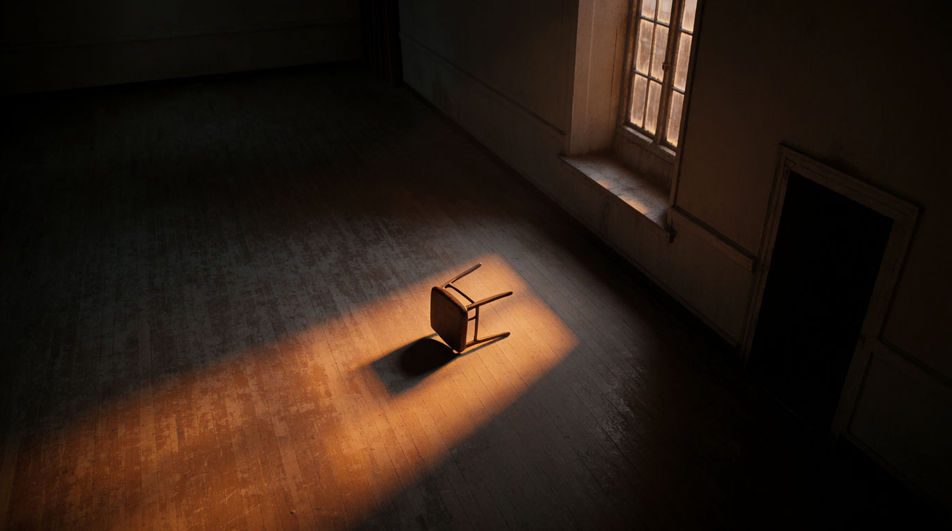
A swell that builds and resolves on a hit implies an approach you never show. The audience supplies the thing arriving, which is always more convincing than the shot.
Edit prompt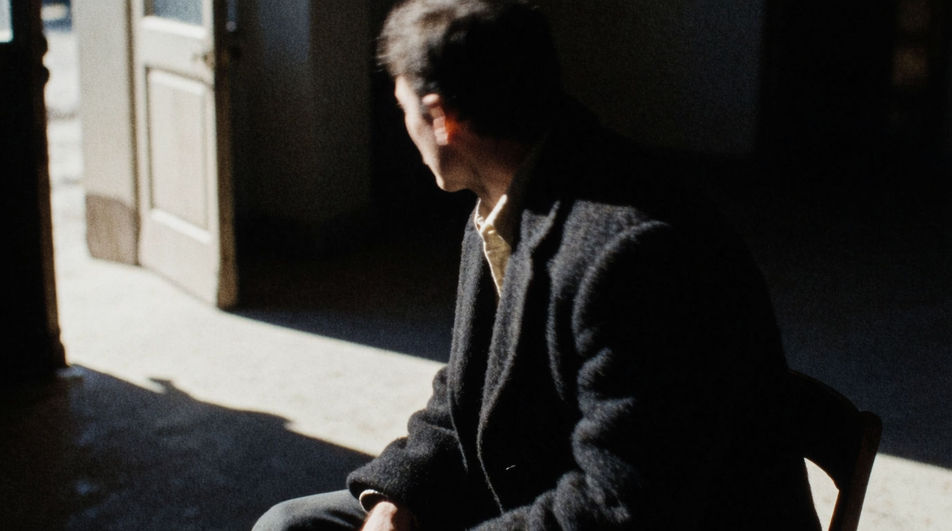
Whoosh sound effect
Morphic creates whoosh sound effects from a prompt. Match the duration to your edit instead of stretching a stock file to fit.
Wind whoosh sound effects
Generate wind whoosh sound effects with AI on Morphic. Describe the sound, pick a variation, and download MP3 or WAV for your video, game or podcast.
Wipe sound effects
Generate wipe sound effects with AI on Morphic. Describe the sound, pick a variation, and download MP3 or WAV for your video, game or podcast.
YouTube sound effects
Browse ready-made youtube sound effects, then generate your own at the length your scene needs. Morphic makes sound, voice, image and video in one workspace.
Get started for free today, with the option to upgrade or cancel anytime.
Basic
2400 monthly credits
1 user only
All models
Workflows
Standard
3625 monthly credits
1 user only
All models
Workflows
Pro
6350 shared monthly credits
1 user
All models
Workflows
Max
24650 shared monthly credits
1 user
All models
Workflows
Enterprise
For higher limits
Custom
pricing and billing terms

Free
For playing around
$0
forever free