Mark the instant a beam fires
A hard front edge with a fast falling tail sits exactly where you place it. That precision matters as much in a game hit reaction as in a finished sequence.
Edit prompt
A beam has no real sound, so every one is invented. Describe the edge, the pitch direction and the tail, and Morphic builds the one your world needs.
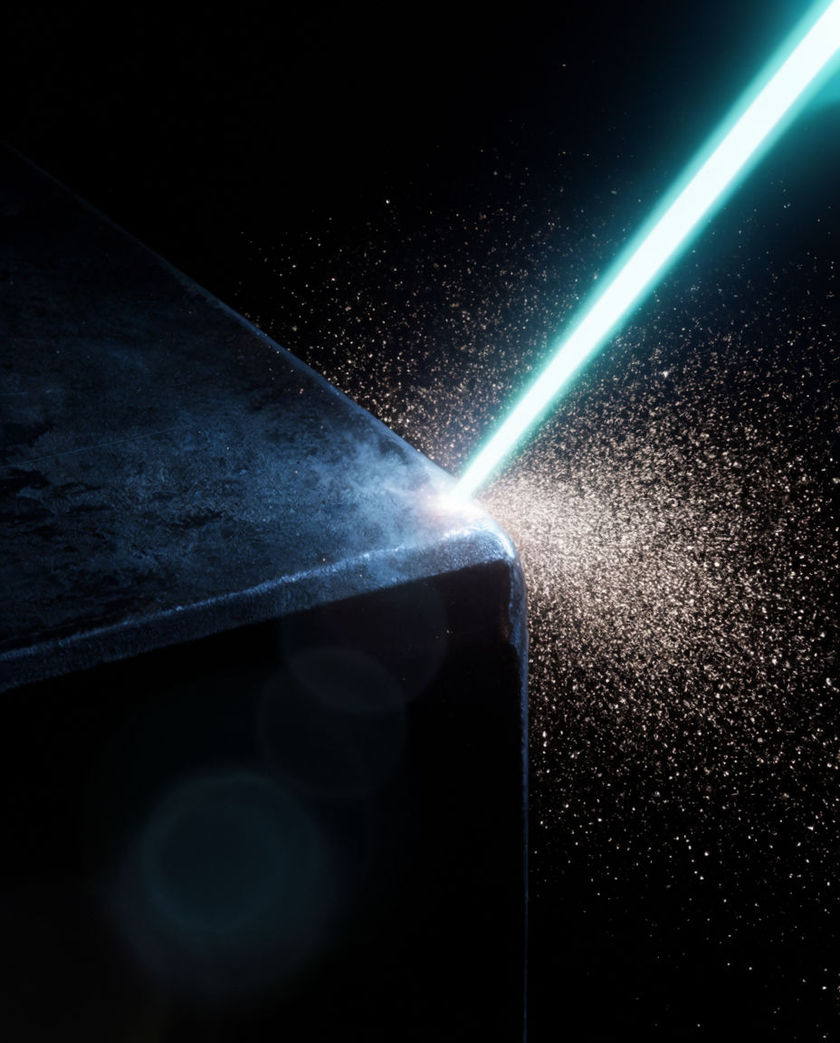

One short shot of energy with a hard front edge and a fast fall. This is the version most projects reach for, because the falling pitch is what an audience reads as a beam leaving something.

A tone winding up before it lets go. The build gives an audience a second of warning, which turns a single event into a small piece of suspense.

A held sizzle with a fine crackling edge on top. Use it when the beam is doing work over time rather than firing, such as slicing, welding or burning through something.
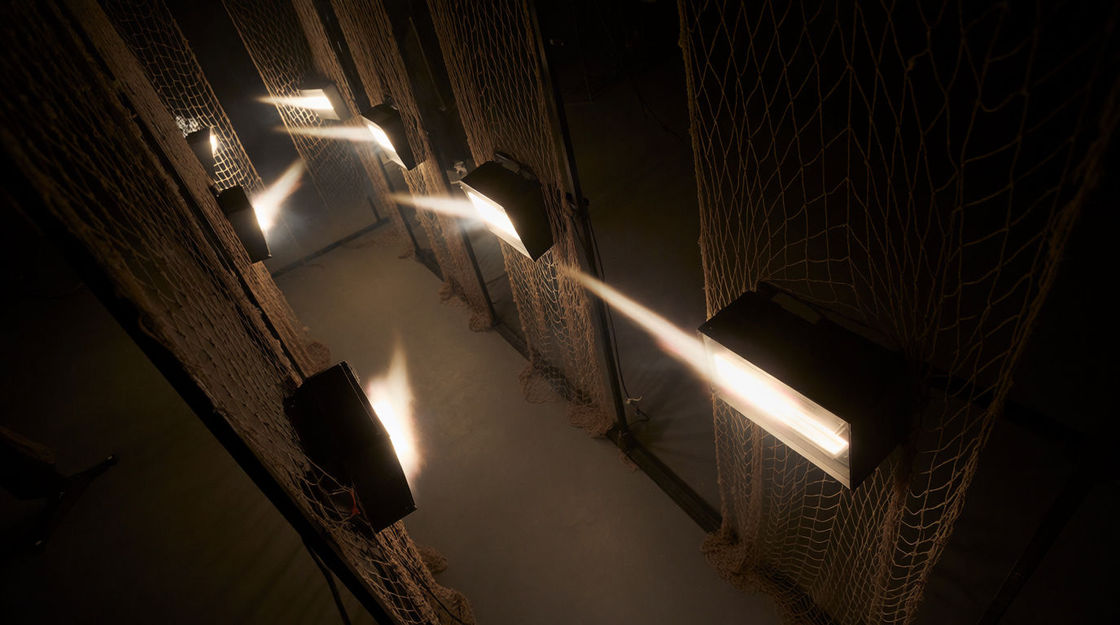
Several shots at uneven spacing. The irregular gaps are what make it read as somebody firing rather than a pattern running on a timer.

A thin whine sliding downward with a flutter through it. It reads as a beam searching rather than striking, which is the sound most sci-fi scenes are actually short of.
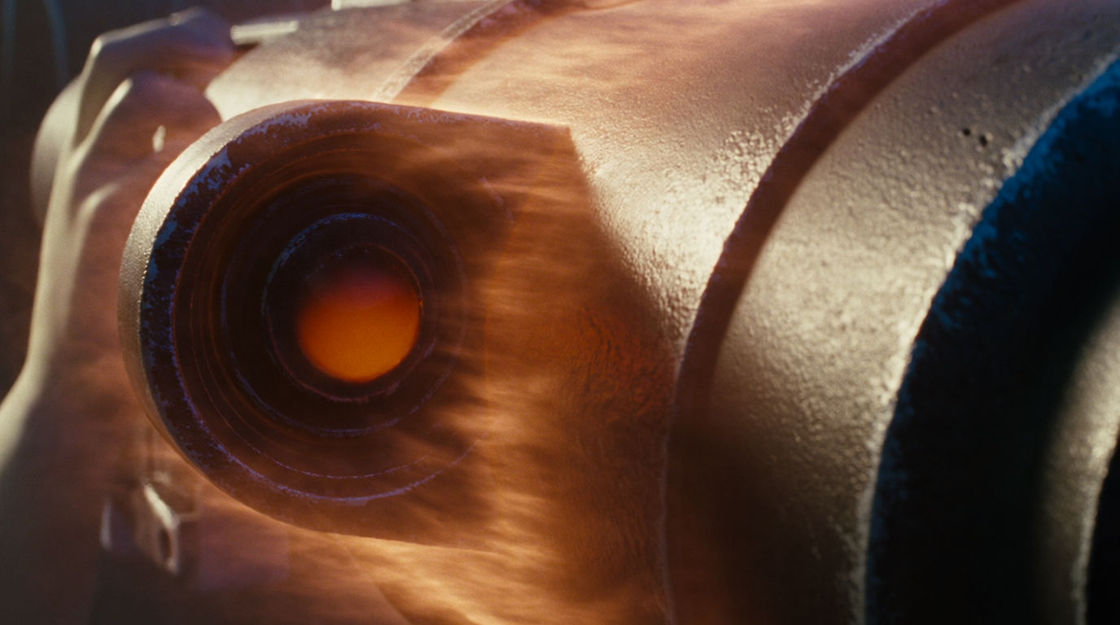
The tone thinning and dropping until only a hum is left. Endings are what most invented technology lacks, and this one closes a scene without a cut.
Pick a starting point, edit anything you like, then generate it in Morphic.
A hard front edge with a fast falling tail sits exactly where you place it. That precision matters as much in a game hit reaction as in a finished sequence.
Edit promptA held cutting beam carries ten seconds of a scene with nothing else running. An animated short or a menu screen gets as much from it as a film does.
Edit prompt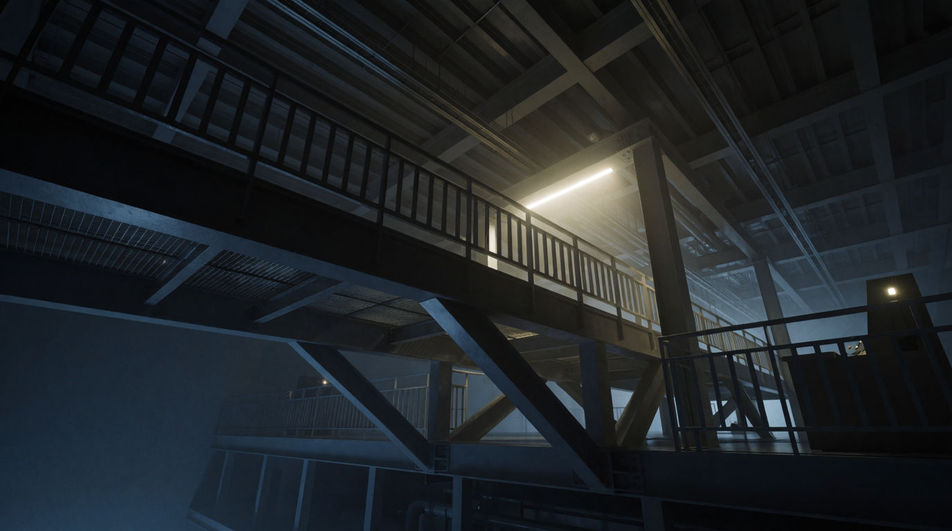
A slow charge and a buzzing edge reads as older and heavier equipment, while a clean instant pulse reads as new. The same beam changes decade with one detail.
Edit prompt
A sweep sliding downward with a flutter suggests something scanning past the edge of frame. Nothing has to be modelled, built or shown for it to register.
Edit prompt
Super sound effects
Generate super sound effects with AI on Morphic. Describe the sound, pick a variation, and download MP3 or WAV for your video, game or podcast.
Taser sound effects
Browse ready-made taser sound effect clips, then generate your own at the length your scene needs. Morphic makes sound, voice, image and video in one workspace.
Teleport sound effects
Teleport sound effects: quick blinks, beam-outs, glitchy warps, sparkle vanishes and reappears for game abilities, animation and effects shots.
Time machine sound effects
Time machine sound effects, capacitor whine, jump zap, running hum, lever clunk and wind-down, built for sci-fi shorts, games and animated builds.
Get started for free today, with the option to upgrade or cancel anytime.
Basic
2400 monthly credits
1 user only
All models
Workflows
Standard
3625 monthly credits
1 user only
All models
Workflows
Pro
6350 shared monthly credits
1 user
All models
Workflows
Max
24650 shared monthly credits
1 user
All models
Workflows
Enterprise
For higher limits
Custom
pricing and billing terms

Free
For playing around
$0
forever free