Land a small shock on the cut
Three quick squeaks arriving on the frame of a reveal do the work of a music sting. It reads the same way in a game jump scare as in a comedy cutaway.
Edit prompt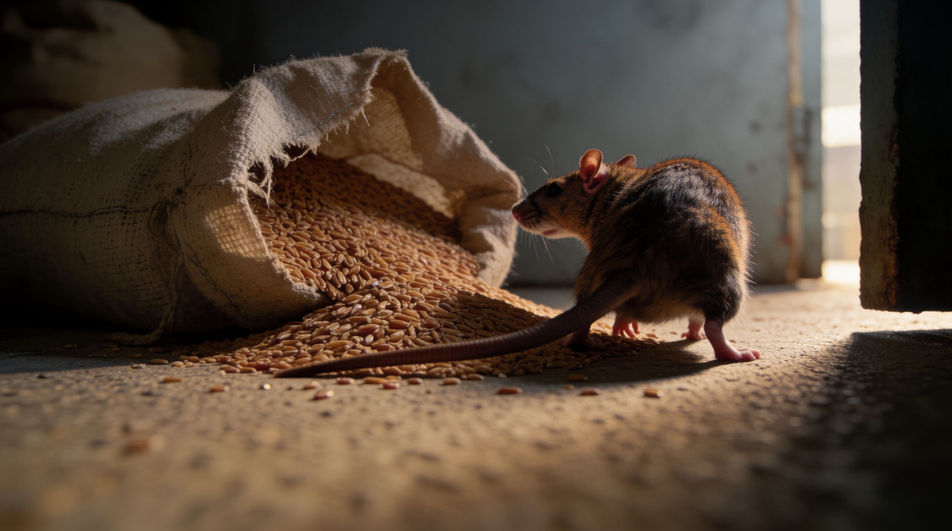
Squeaks, chittering, gnawing, and the dry scurry of claws across boards. Tell Morphic what the animal is doing and get a clean take built for your cut.
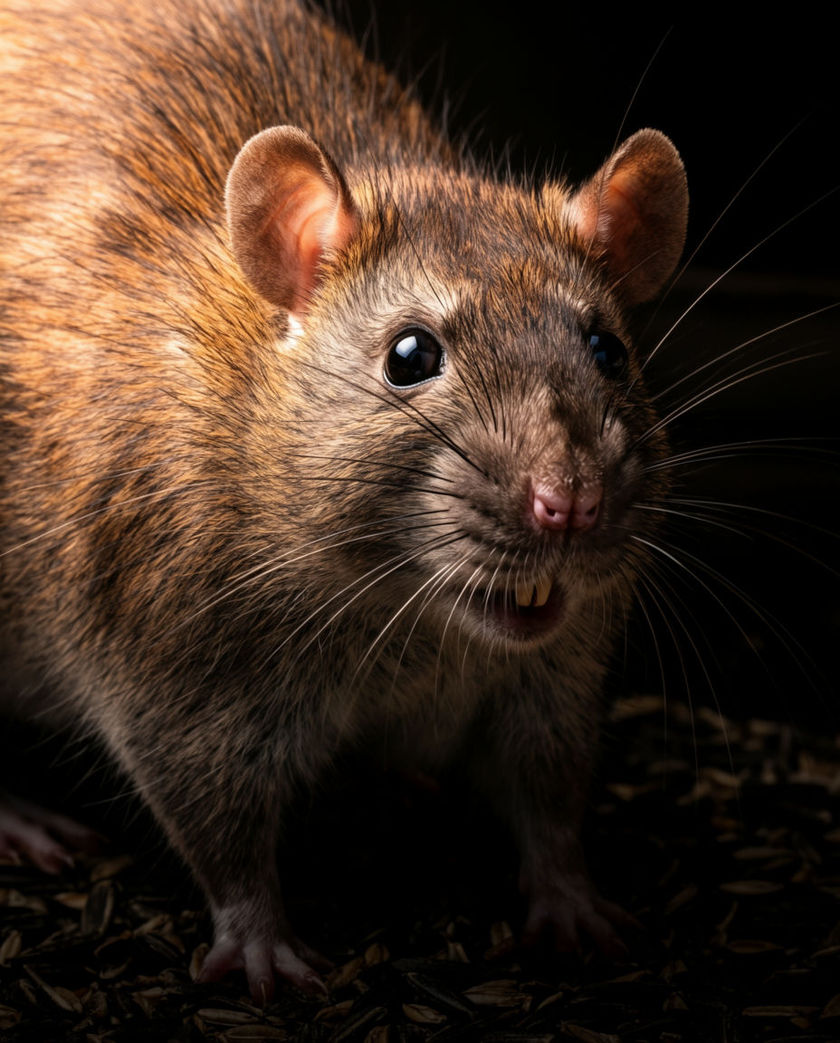
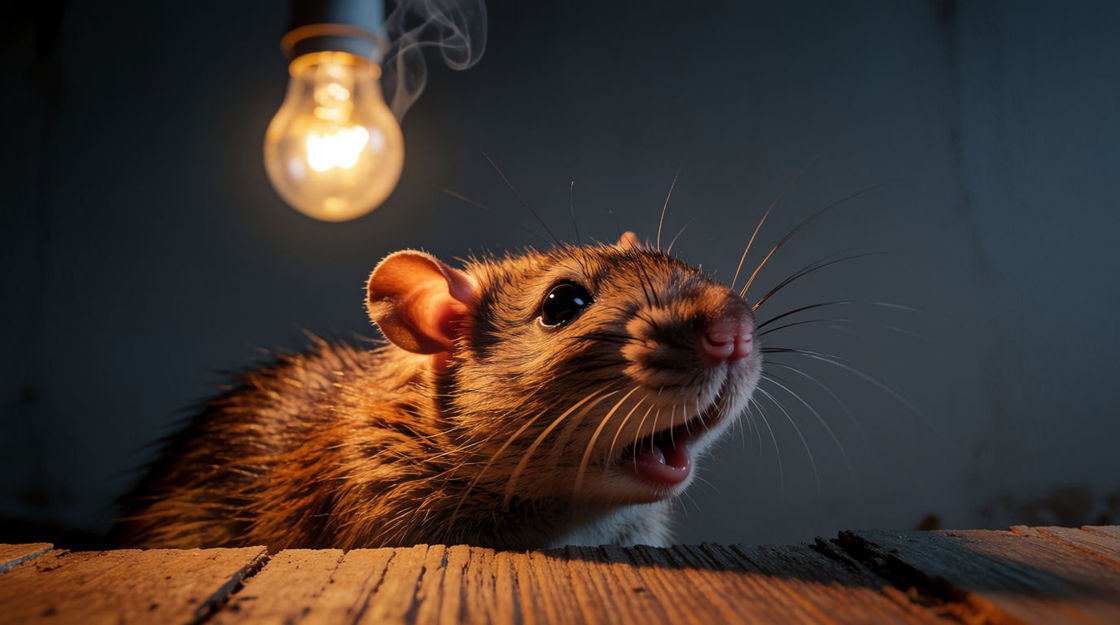
Three thin, upward-flicking squeaks with hard little attacks and no tail behind them. The version most edits want, because the pitch alone tells an audience the animal is small and very close.
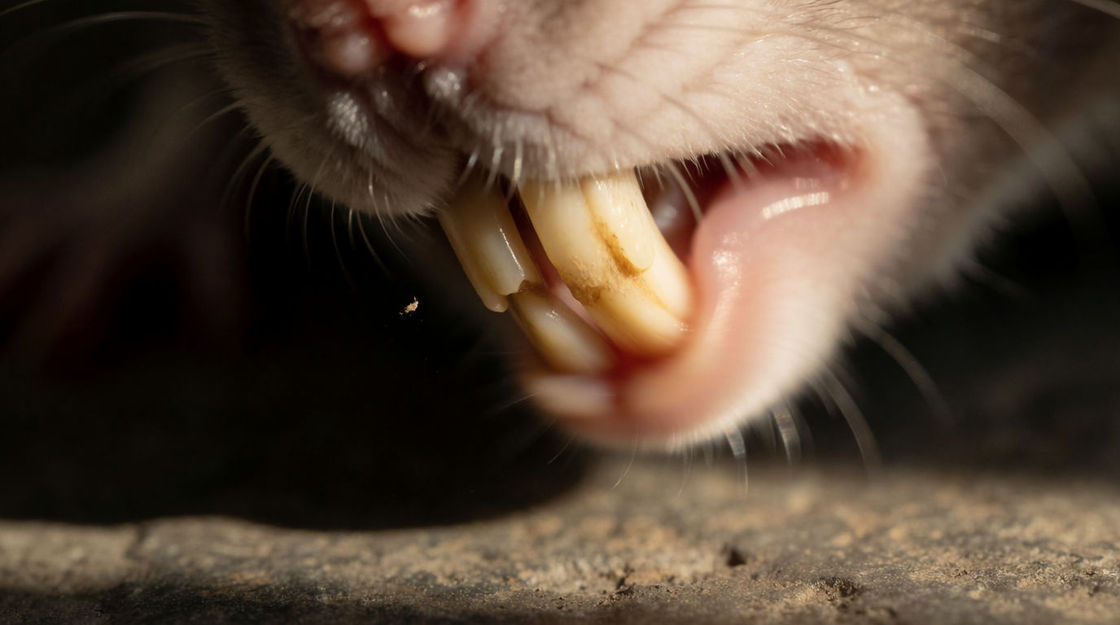
Rapid dry clicking made by the incisors rather than the throat. It reads as agitation without a squeak, which matters when a squeak would tip the scene into comedy.
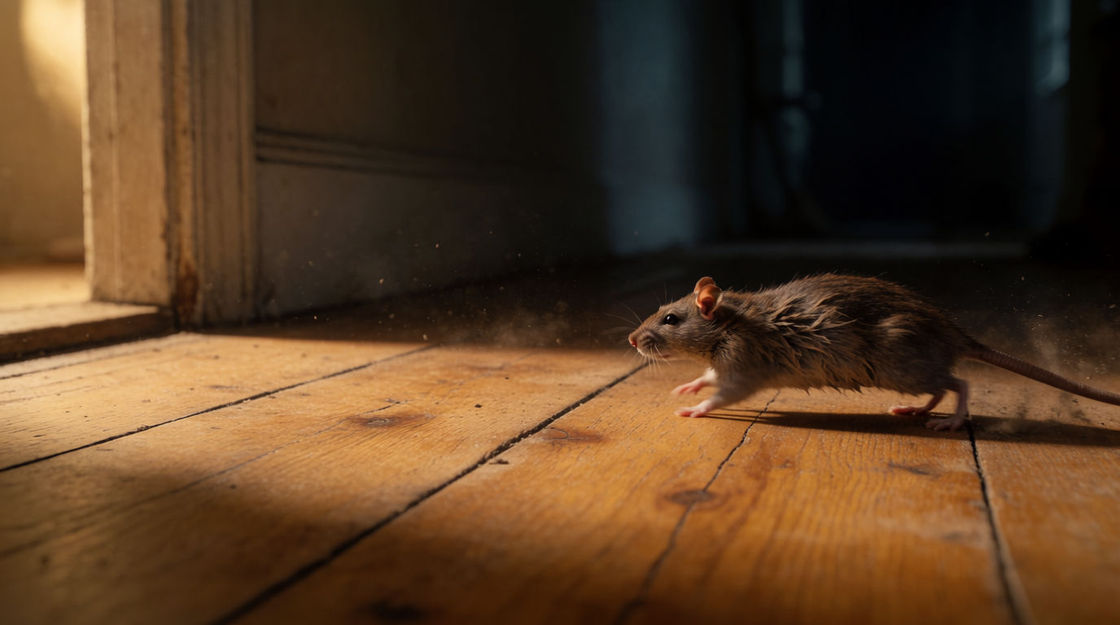
Dozens of claw tips skittering across hard wood, speeding up and stopping dead. This is the take that puts something alive behind a wall with no animal on camera.
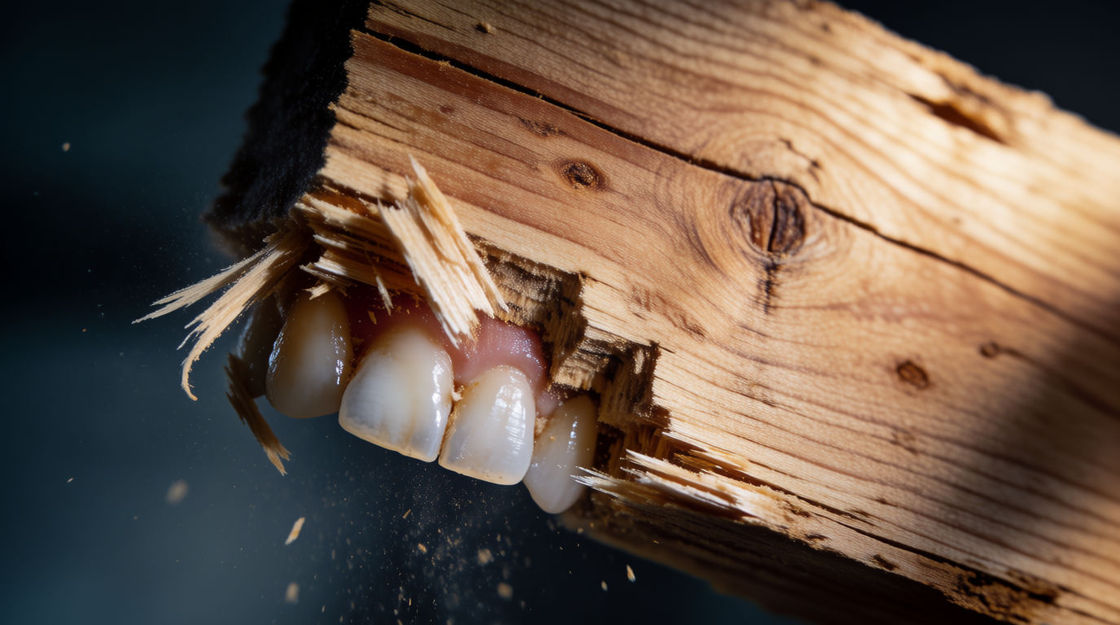
A steady rasping bite that keeps returning at the same pace. Long enough to sit under a whole scene, and unmistakable the second a listener works out what it is.
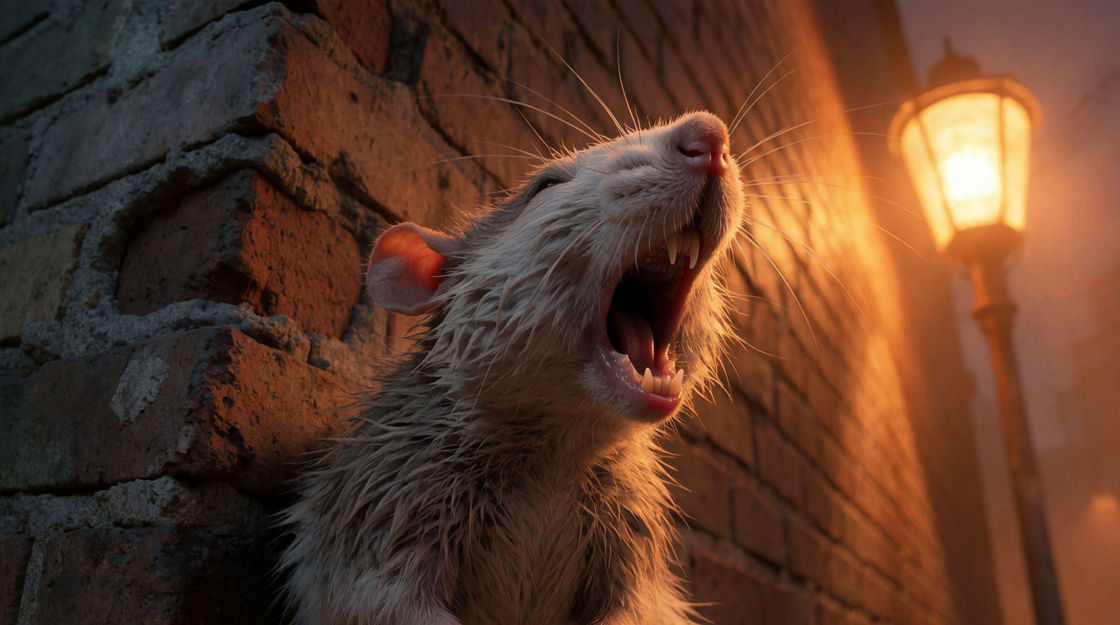
One strained shriek with the whole throat behind it. Horror leans on this hard, and a single placement is usually all a scene can absorb before it turns silly.
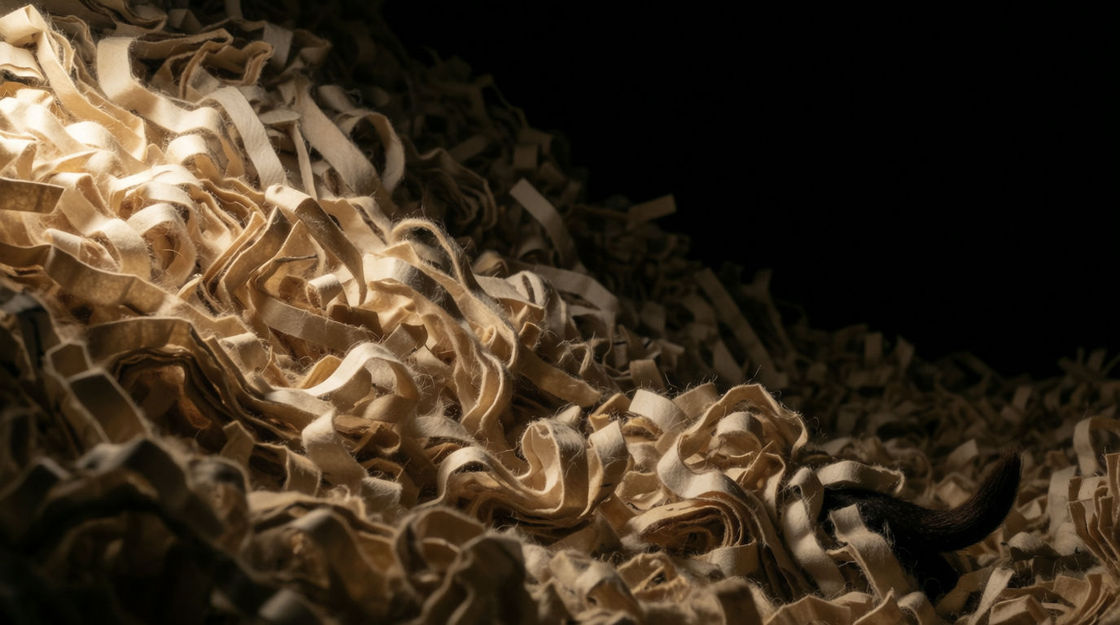
Dry paper and shredded bedding shifting as the animal turns over. There is no vocal in it at all, which is precisely why it reads as unstaged.
Pick a starting point, edit anything you like, then generate it in Morphic.
Three quick squeaks arriving on the frame of a reveal do the work of a music sting. It reads the same way in a game jump scare as in a comedy cutaway.
Edit promptTen unbroken seconds of gnawing gives a static shot something to move under. It carries a narrated podcast segment or a slow game menu the same way.
Edit prompt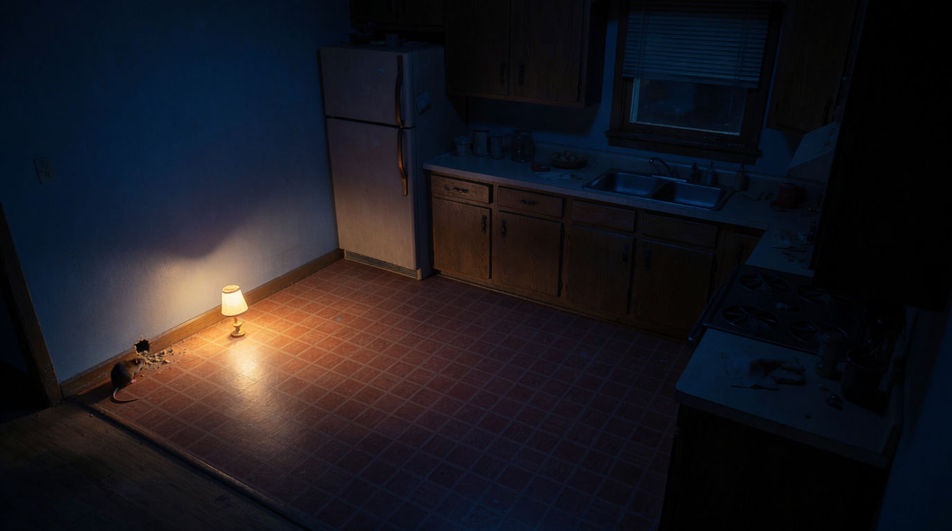
Skittering claws across bare boards say neglect faster than any set dressing. Animation, horror games, and documentary reconstructions all use it identically.
Edit prompt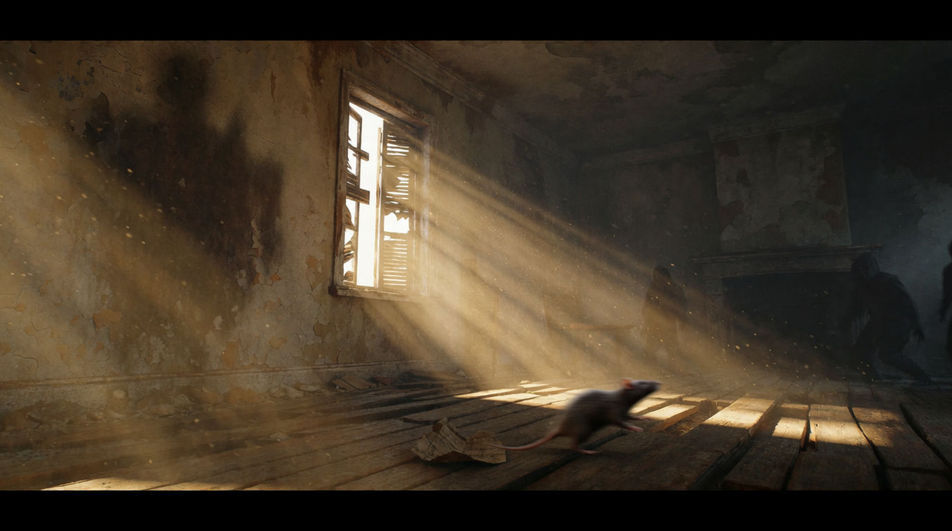
Rustling bedding suggests a nest just out of frame, so the audience assembles the animal itself. Nothing has to appear on camera for the idea to land.
Edit prompt
Cow sound effects
Need cow sound effects that fit the shot? Morphic generates them on demand, so you get the right call at the right distance every time.
Coyote sound effects
Yips, howls, and pack calls at any distance. Morphic generates coyote sounds built for night exteriors and wildlife edits.
Cricket sound effects
Generate cricket sound effects with Morphic. Describe the exact call, mood, and distance you need and get a clean recording ready for your edit.
Deer sound effects
Morphic creates deer sound effects from a text prompt. Pick the tone and intensity you want, then drop a clean file straight into your timeline.
Get started for free today, with the option to upgrade or cancel anytime.
Basic
2400 monthly credits
1 user only
All models
Workflows
Standard
3625 monthly credits
1 user only
All models
Workflows
Pro
6350 shared monthly credits
1 user
All models
Workflows
Max
24650 shared monthly credits
1 user
All models
Workflows
Enterprise
For higher limits
Custom
pricing and billing terms

Free
For playing around
$0
forever free