Snap the audience into morning on one cut
A clipped squawk lands on the first frame of a new scene and resets the clock instantly. Animation and comic games lean on exactly this, and it needs no dialogue to explain it.
Edit prompt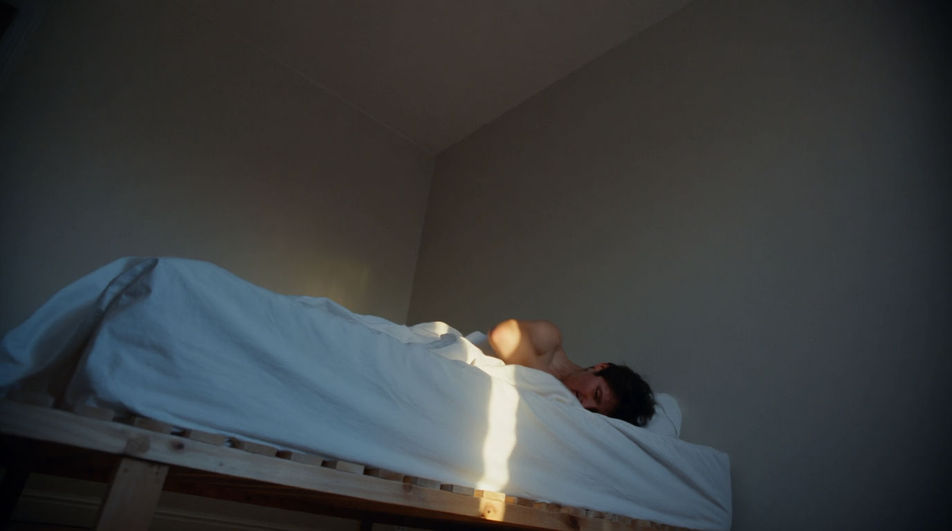
One bird, crowing the way your scene needs it. Ask for the full four-note call, a clipped squawk, a cracked old rasp, or a crow heard from across a field.
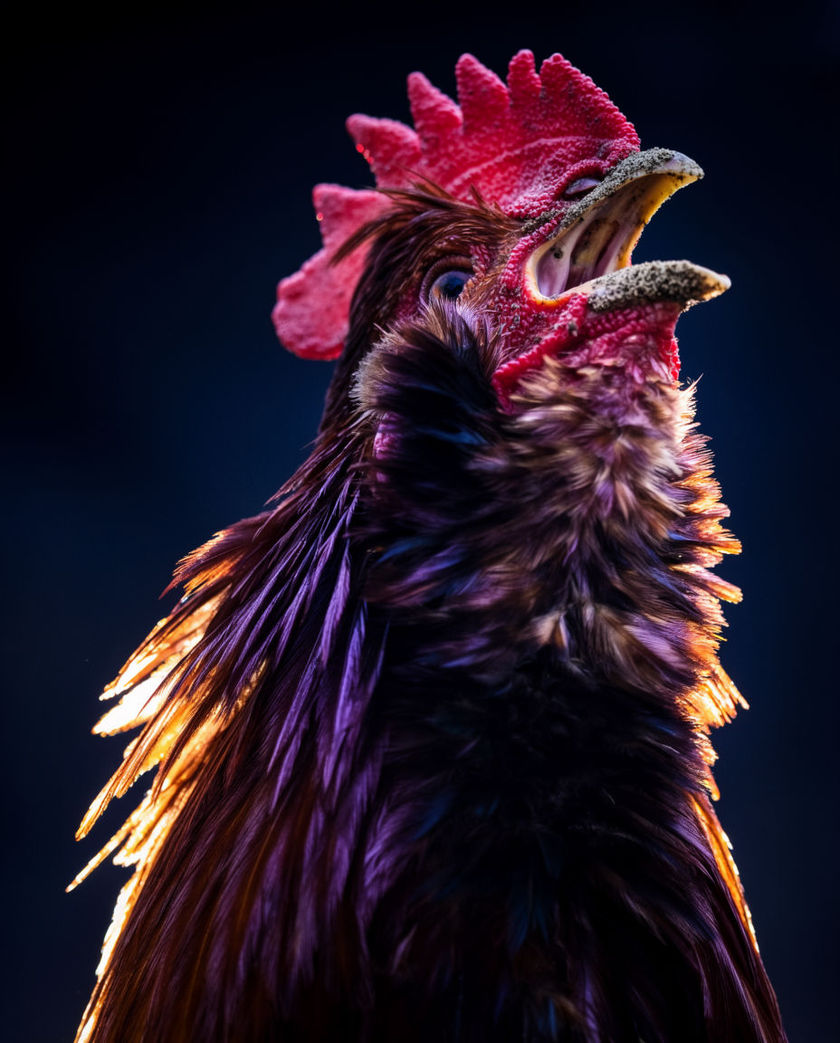
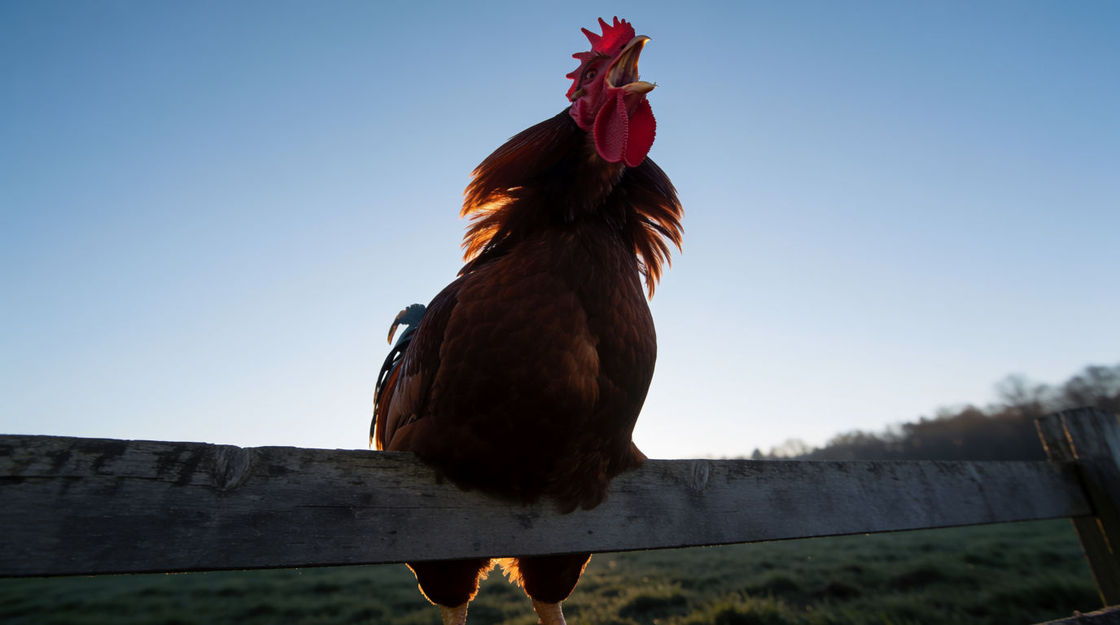
Four rising notes with a brassy rasp and a wavering drop off the end. This is the take most edits want, because the falling last note is what an audience recognises as a rooster.
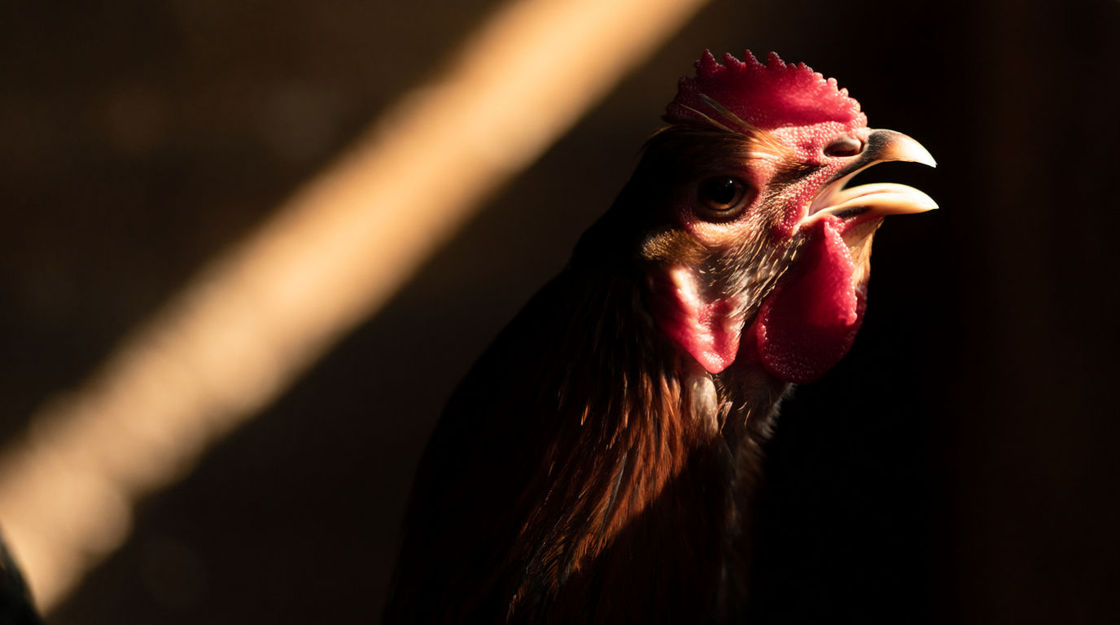
A hard squawk with the trailing note removed. Reach for it when the sound has to hit a frame precisely, since a full call takes three seconds to finish its own sentence.
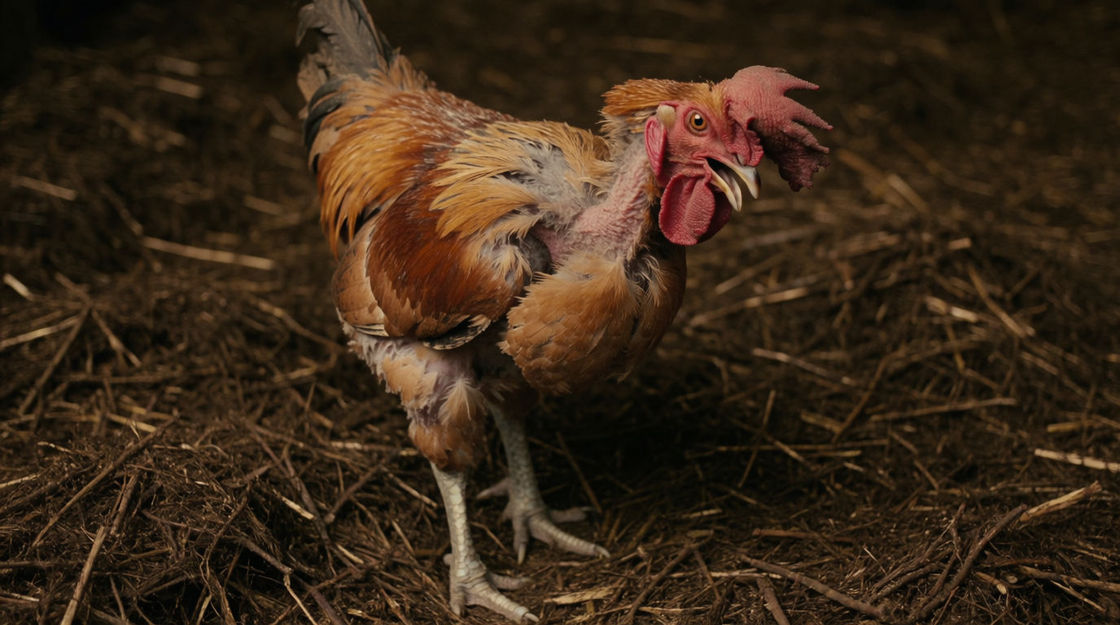
Hoarse, broken, and collapsing before it finishes. Comedy uses it constantly, and so does anything that wants the farm to look like it has seen better years.
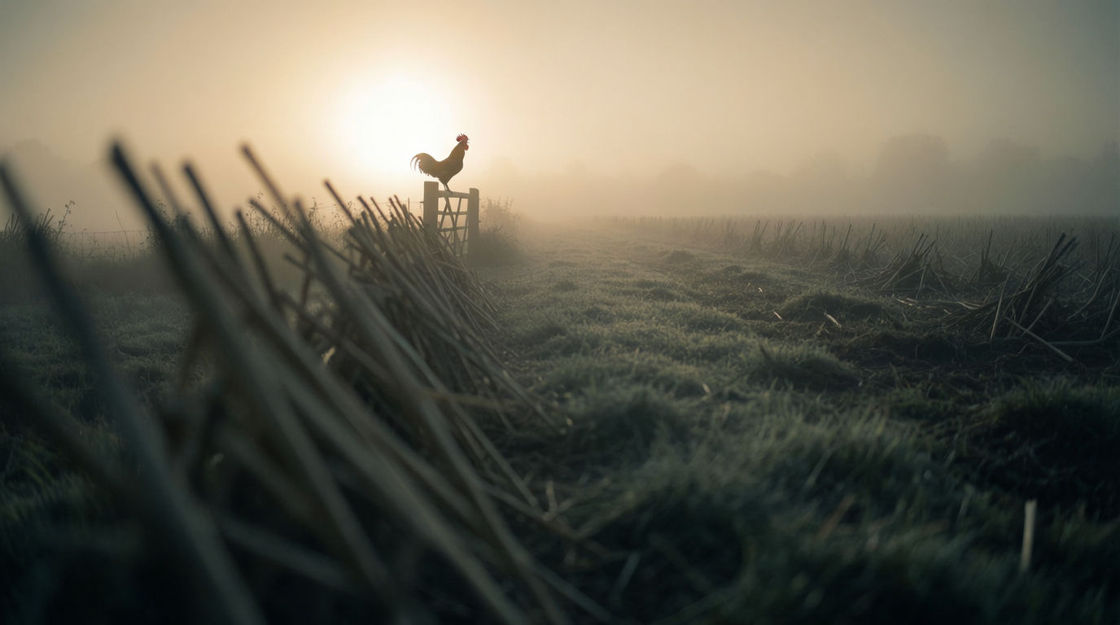
The same call with the top edge gone and a faint return behind it. Distance is written into the tone rather than the level, so it stays audible under whatever is on top.
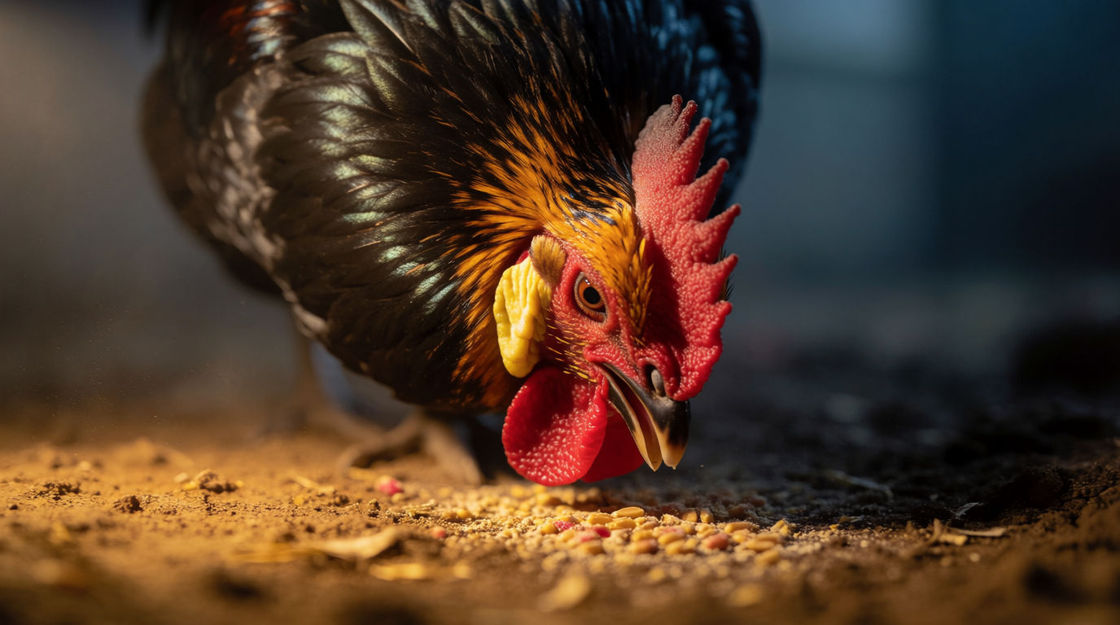
Throaty burbles and clicks at an uneven pace. It is what makes a bird feel present and alive in a scene, where a single crow only marks a moment and then leaves.
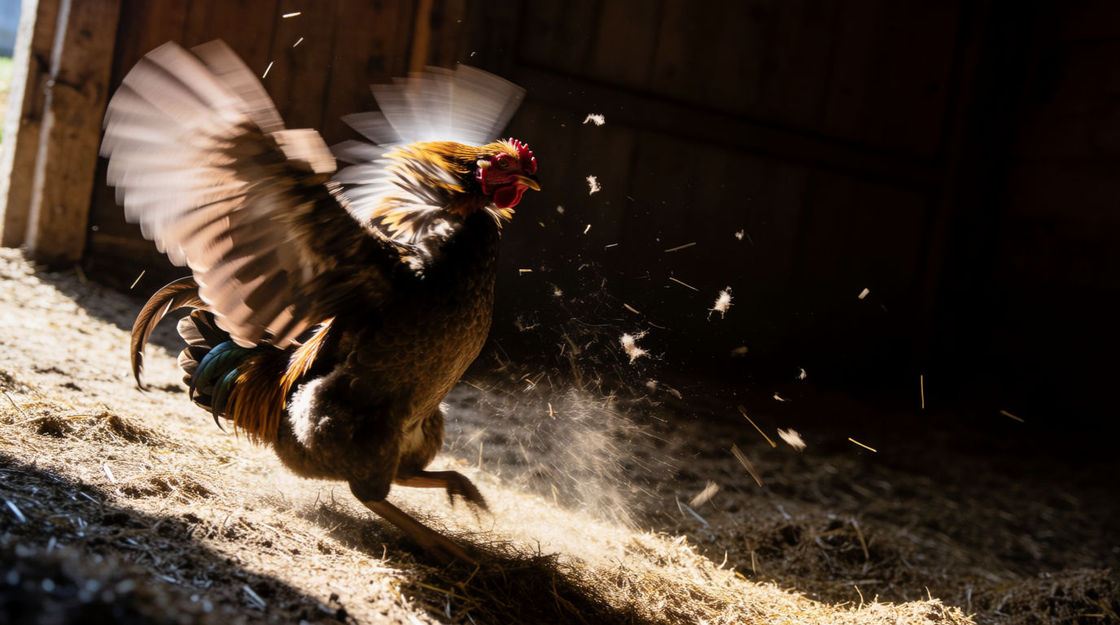
Three heavy feathered air-slaps and a dry rustle as the bird settles. Layered before a crow, it gives the call a body that arrived from somewhere rather than appearing.
Pick a starting point, edit anything you like, then generate it in Morphic.
A clipped squawk lands on the first frame of a new scene and resets the clock instantly. Animation and comic games lean on exactly this, and it needs no dialogue to explain it.
Edit promptEight unbroken seconds of clucking keeps a still frame alive without a note of music. It does the same job under a narrated podcast segment or a slow game menu.
Edit prompt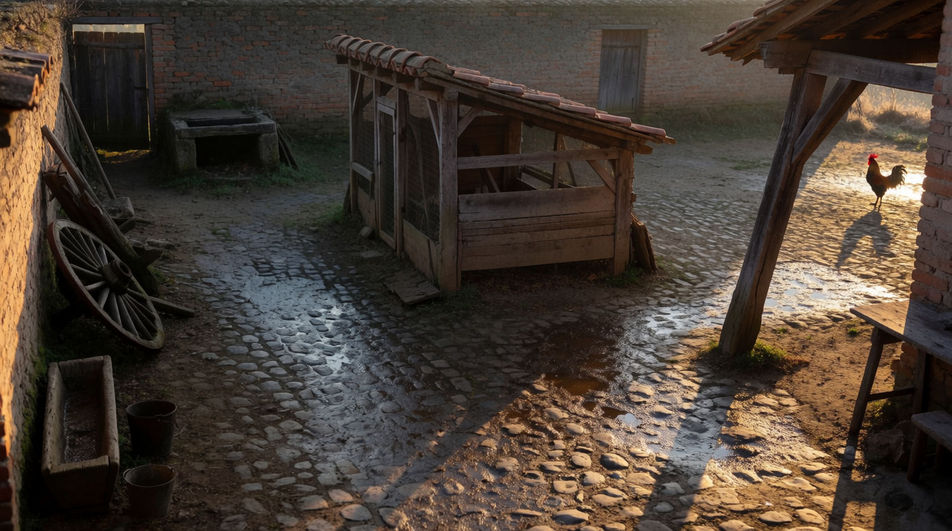
A full four-note call is the shortest way to place a scene at first light. One sound replaces a sunrise plate, a clock, and a line of dialogue explaining the hour.
Edit prompt
A dulled crow with a faint return behind it builds land, distance, and livestock you never have to show. Interior scenes get an entire exterior for the price of one take.
Edit prompt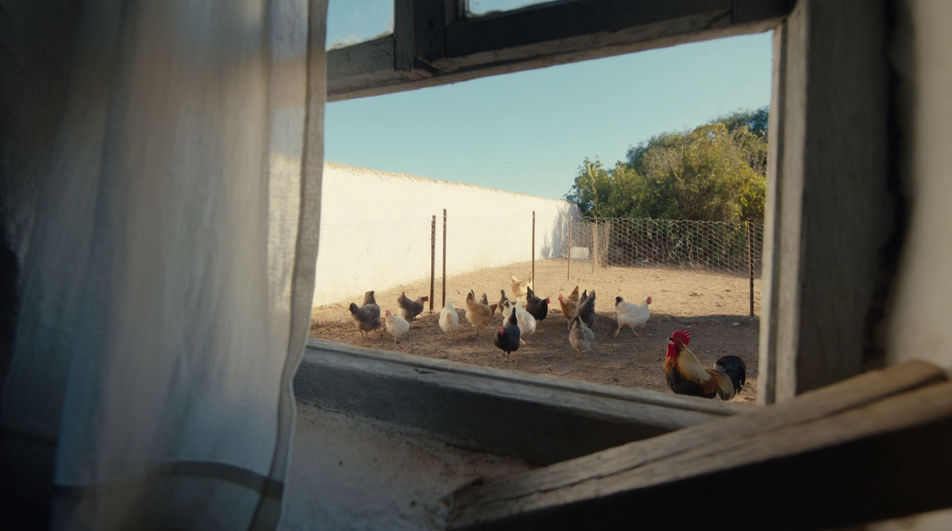
Guinea pig sound effects
Morphic creates guinea pig sound effects from a text prompt. Pick the tone and intensity you want, then drop a clean file straight into your timeline.
Horse neighing sound effects
Generate horse neighing sound effects with Morphic. Choose the call, the tone, and the intensity, then drop a clean file into your timeline.
Horse sound effects
Neighs, whinnies, snorts, and hoofbeats. Morphic generates horse sounds by gait and surface, so movement matches the picture.
Hyena sound effects
Morphic creates hyena sound effects from a text prompt. Pick the tone and intensity you want, then drop a clean file straight into your timeline.
Get started for free today, with the option to upgrade or cancel anytime.
Basic
2400 monthly credits
1 user only
All models
Workflows
Standard
3625 monthly credits
1 user only
All models
Workflows
Pro
6350 shared monthly credits
1 user
All models
Workflows
Max
24650 shared monthly credits
1 user
All models
Workflows
Enterprise
For higher limits
Custom
pricing and billing terms

Free
For playing around
$0
forever free