Break a silence with something startling
A snort is one hard burst with no warning, so it jolts a quiet scene the way nothing gradual can. It lands cleanly on a frame.
Edit prompt
Snorts, bleats, the grunt of a buck in rut, and hooves moving through leaf litter. Describe what your scene needs and Morphic generates it clean.
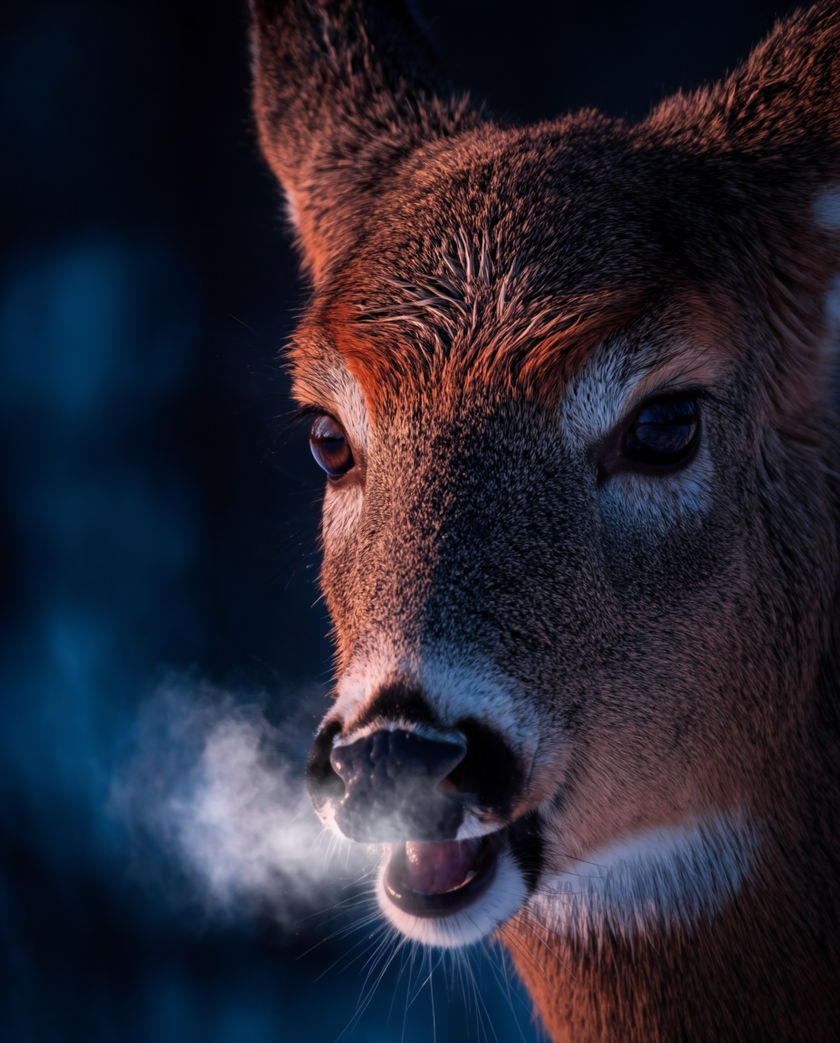
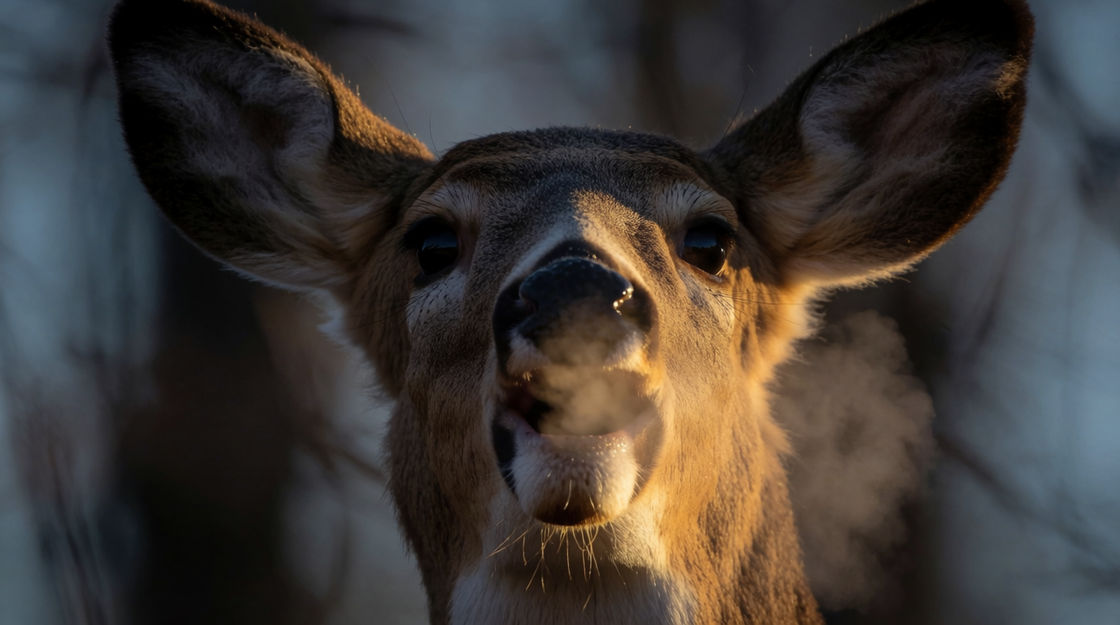
One explosive burst of air through the nose. It is the sound a deer makes when it has seen you, so it carries the whole moment of being noticed.
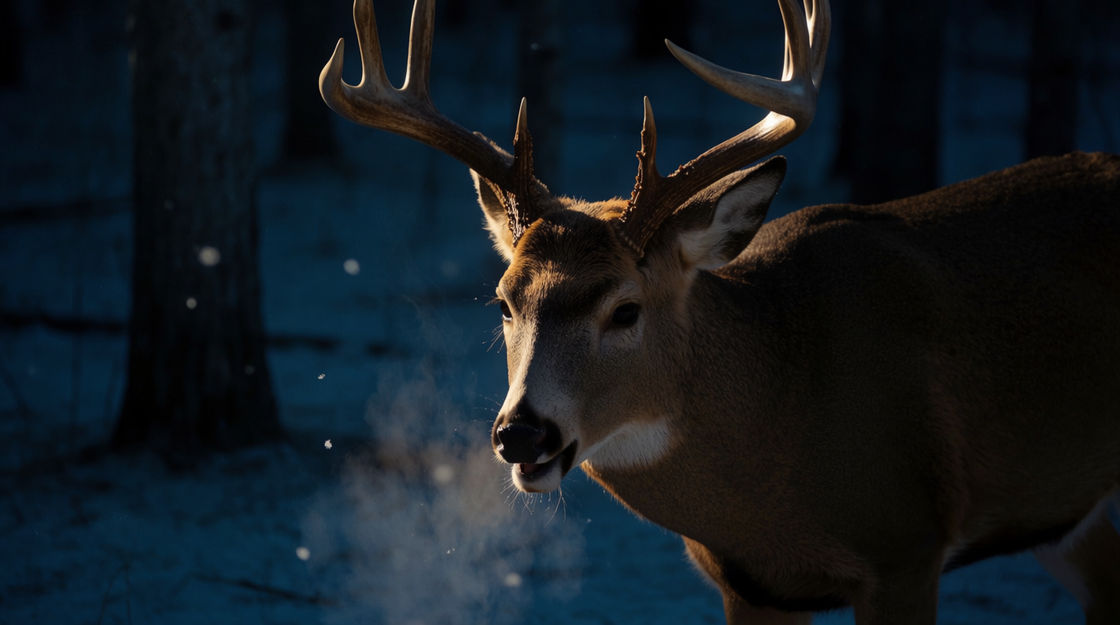
Low, guttural, and clipped, repeated with gaps. It only happens in the rut, so it dates a scene to autumn without any other cue.
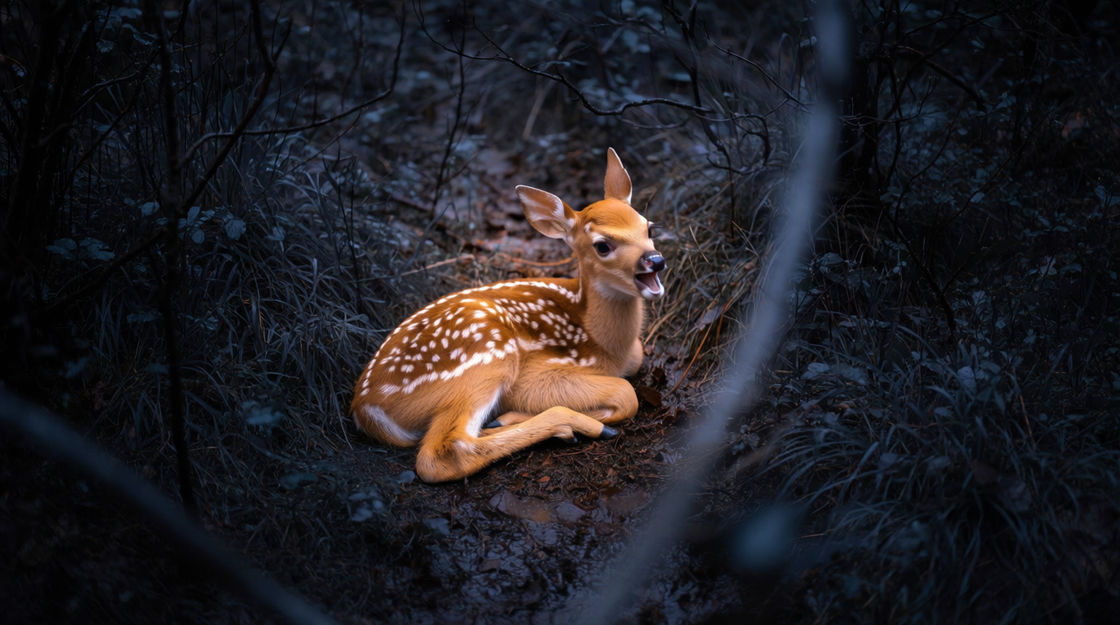
Thin, plaintive, and wavering. It reads as small and vulnerable immediately, which is the opposite of everything else on this page.
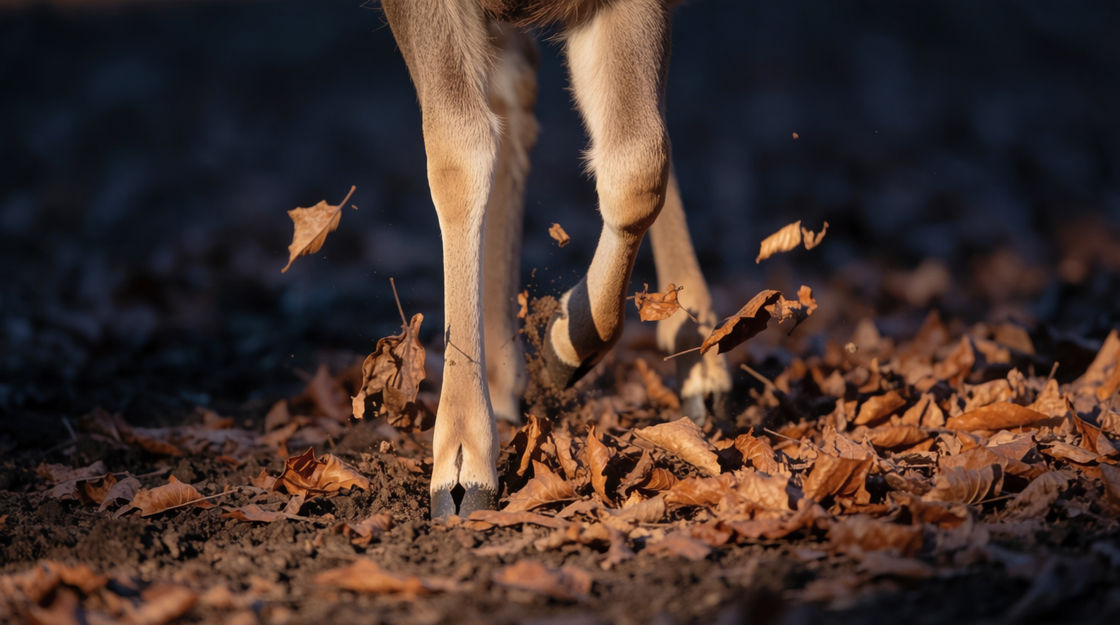
Irregular crunching steps with pauses. The pauses matter: deer move a few steps then stop, and a steady walk reads as a person instead.
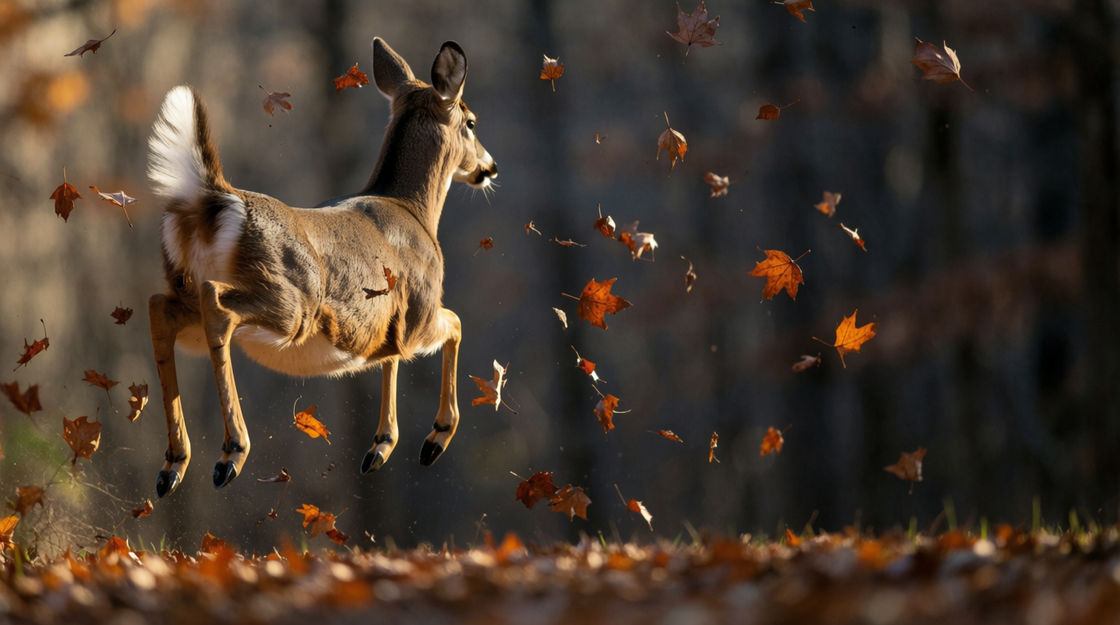
Heavy crashing bounds getting further off. Movement rather than a state, so it can carry the whole beat of an animal fleeing a frame.
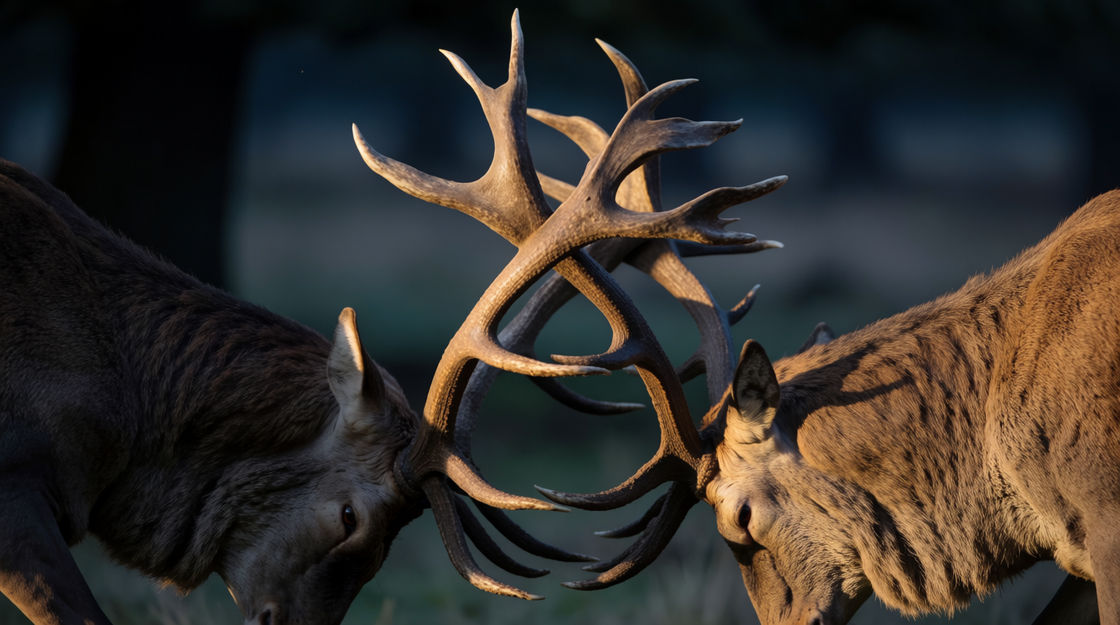
Two sets of antlers clashing and grinding. Dry, hollow, and unmistakably bone, which no other woodland sound resembles.
Pick a starting point, edit anything you like, then generate it in Morphic.
A snort is one hard burst with no warning, so it jolts a quiet scene the way nothing gradual can. It lands cleanly on a frame.
Edit promptHooves stopping and starting in leaf litter give a static frame something to rest on. It works in a game level as much as over live action.
Edit prompt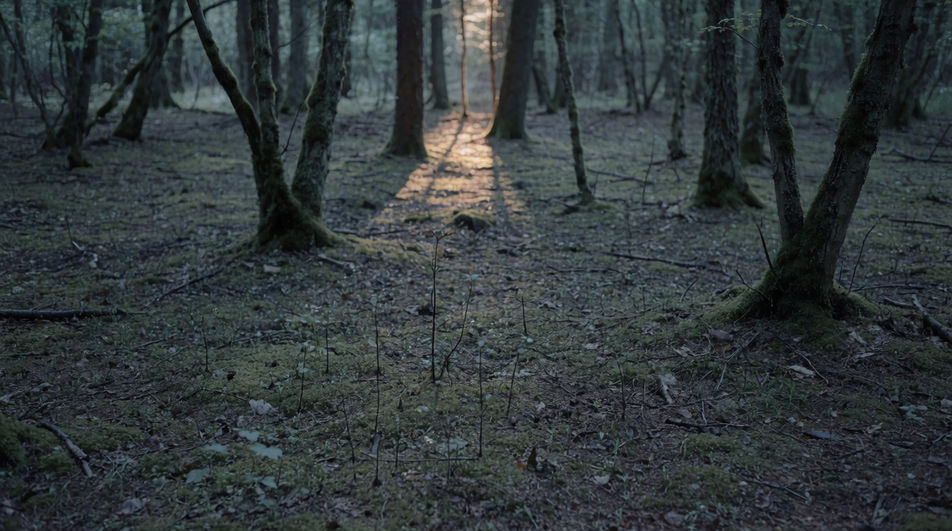
Grunting and antlers clashing only happen in autumn, so either one fixes the season without a single frame of falling leaves.
Edit prompt
Crashing bounds receding tell the audience something bolted, in a frame where nothing moves. It builds the whole event off screen.
Edit prompt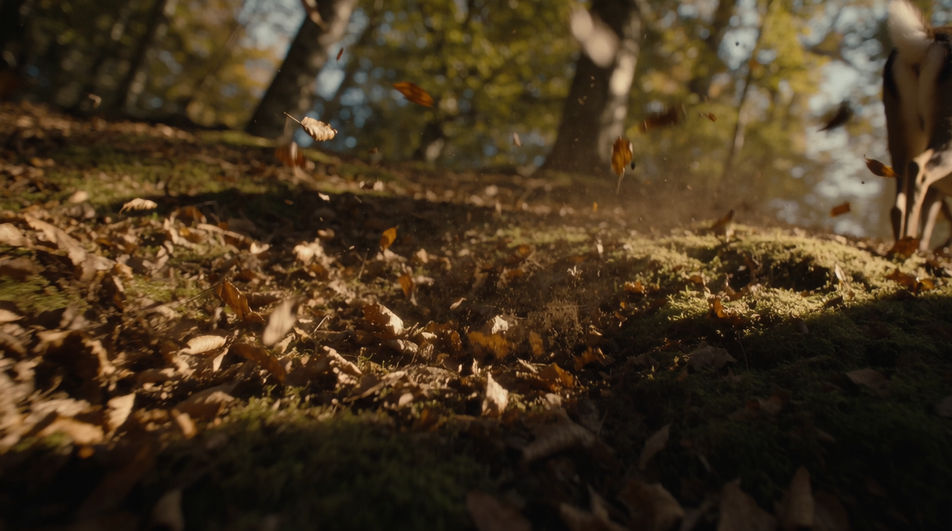
Rabbit sound effects
Generate rabbit sound effects with Morphic. Describe the exact call, mood, and distance you need and get a clean recording ready for your edit.
Raccoon sound effects
Need raccoon sound effects that fit the shot? Morphic generates them on demand, so you get the right call at the right distance every time.
Rat sound effects
Generate rat sound effects with Morphic. Describe the exact squeak, texture, and distance you need and get a clean file ready for your edit.
Rattlesnake sound effects
Browse ready-made rattlesnake sound effect clips, then generate your own at the length your scene needs. Morphic makes sound, voice, image and video in one workspace.
Get started for free today, with the option to upgrade or cancel anytime.
Basic
2400 monthly credits
1 user only
All models
Workflows
Standard
3625 monthly credits
1 user only
All models
Workflows
Pro
6350 shared monthly credits
1 user
All models
Workflows
Max
24650 shared monthly credits
1 user
All models
Workflows
Enterprise
For higher limits
Custom
pricing and billing terms

Free
For playing around
$0
forever free