Put the force back into a swing that looks soft
Air displacement with a whistle in the middle tells the ear how fast the steel moved. It rescues slow choreography in live action, animation, and game cinematics alike.
Edit prompt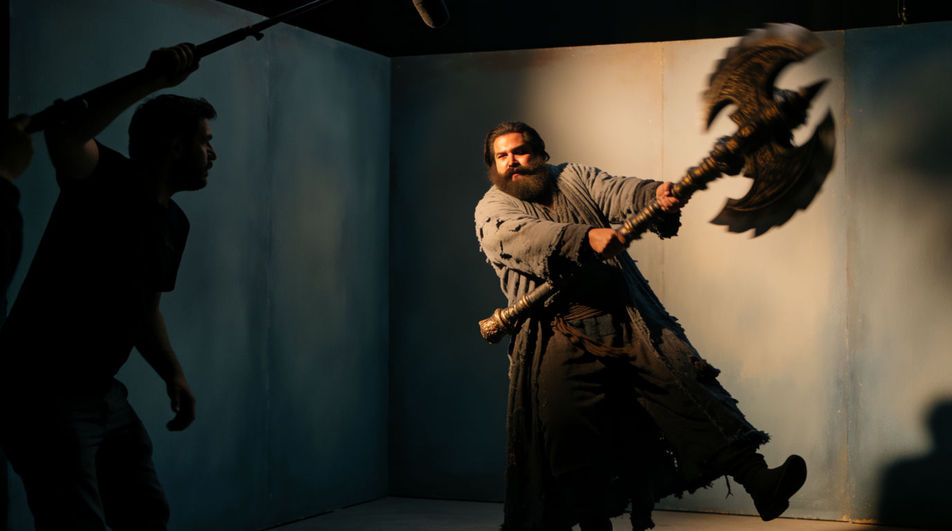
The weight of a blade, on your frame: the draw, the swing, the hit, and the return to the scabbard. Describe the sword your shot is missing and Morphic builds it.
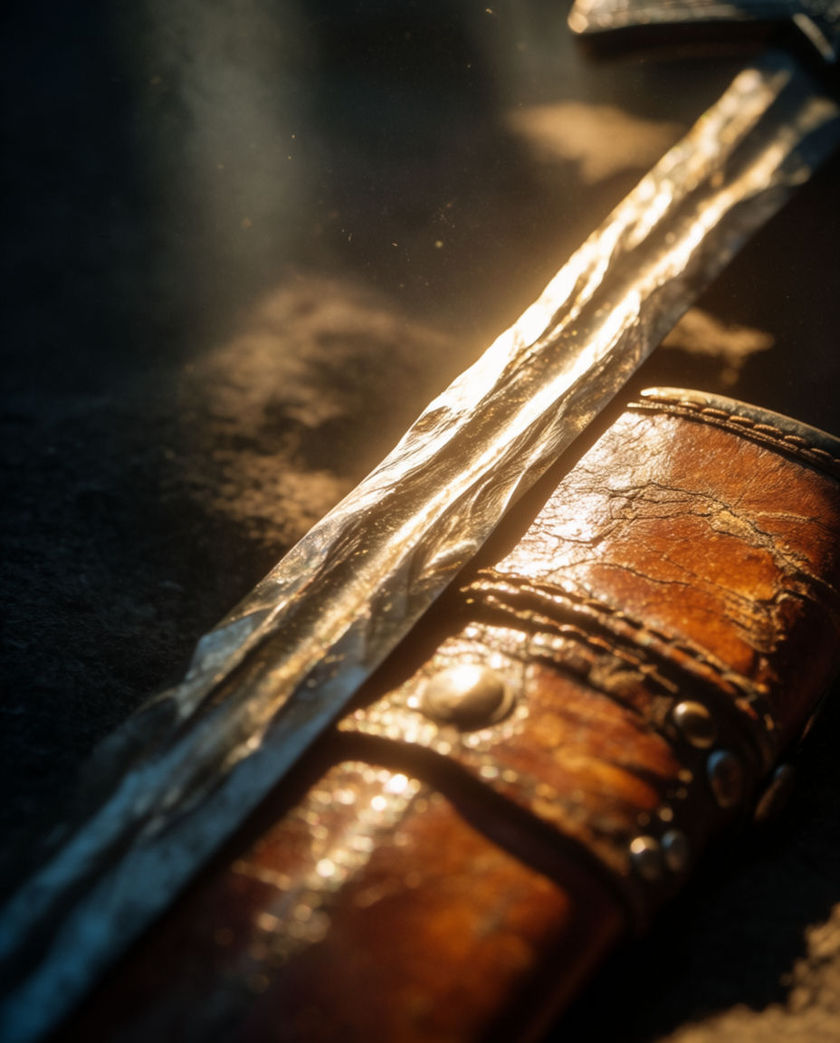
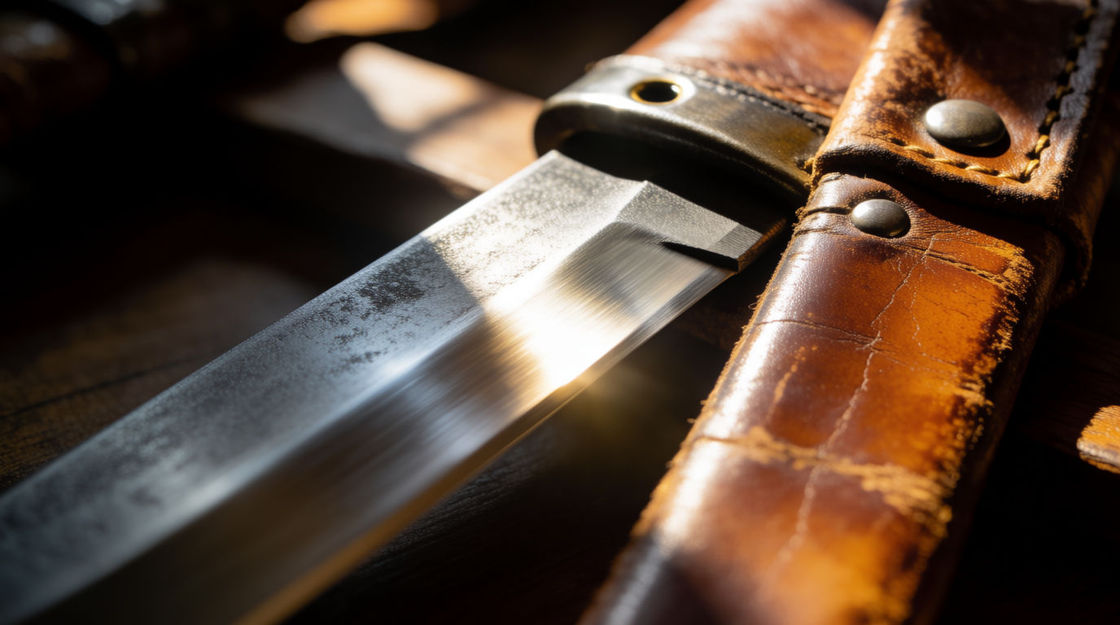
The draw most edits reach for first, and the one that establishes how long the weapon is before the audience has seen it. The rasp rises as the steel clears the throat of the scabbard, then rings briefly.
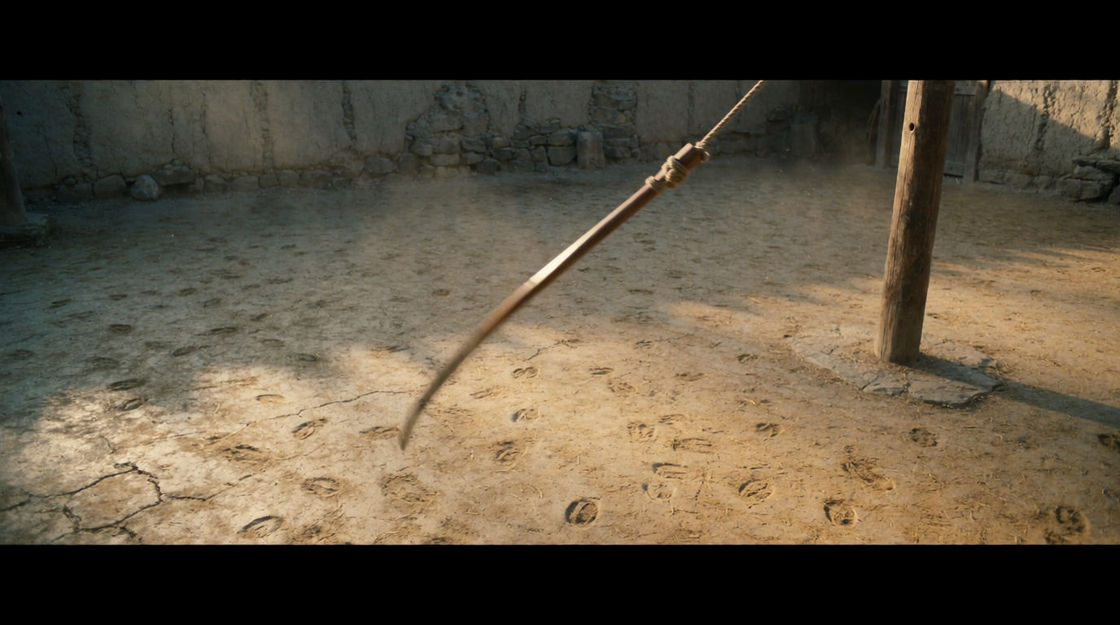
Displaced air with a whistle at the fastest point of the arc. Use it when choreography looks quick but plays soft, since the ear reads speed from the whistle long before the eye reads it from the picture.
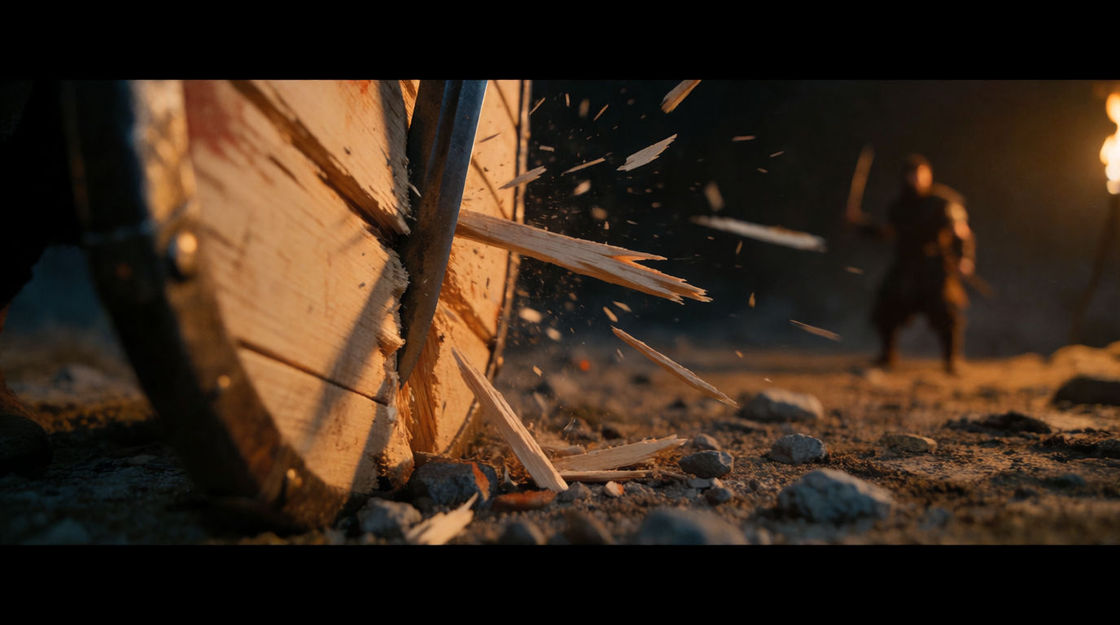
A deep bite into dry timber that stops the swing dead. It gives a strike somewhere to end, which is what separates a real hit from a swing that simply fades out of the frame.
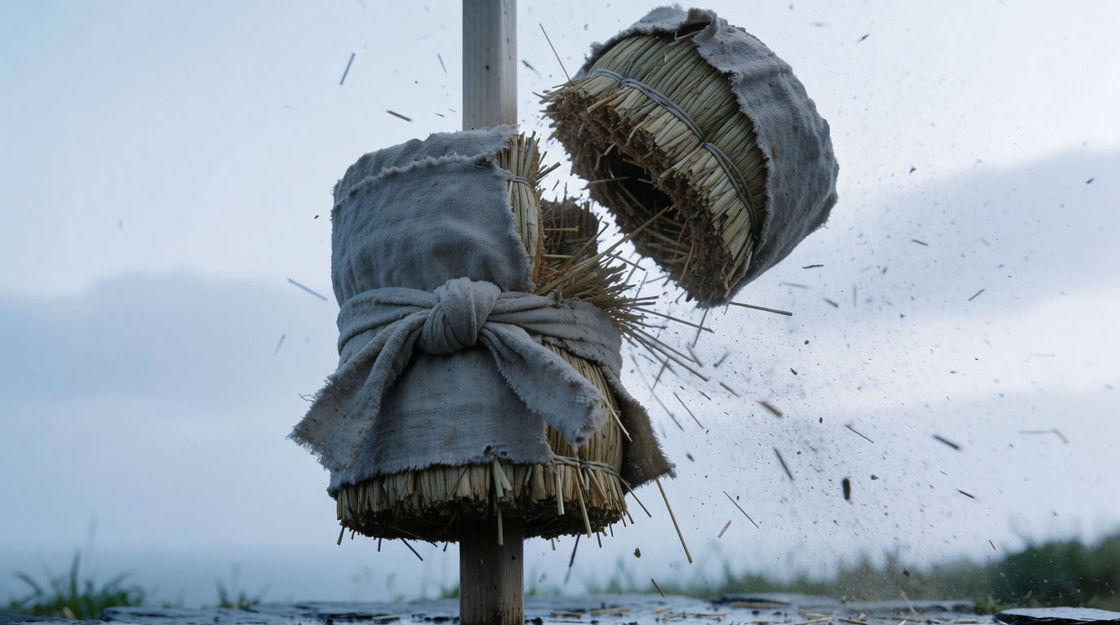
A thick, wet pass with weight behind it and no metallic ring at all. Reach for it sparingly: one of these in a sequence reads as brutal, and three in a row read as comedy.
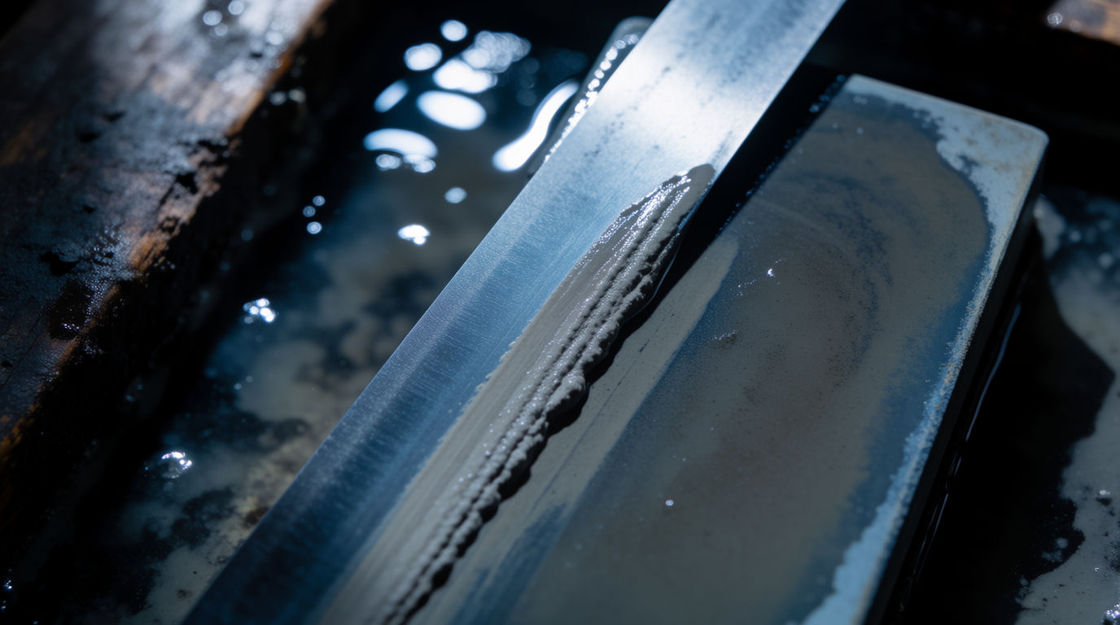
Three grinding passes along a coarse wet stone. It is the quiet card on the page and the most useful one for character, because sharpening is something a person does while thinking.
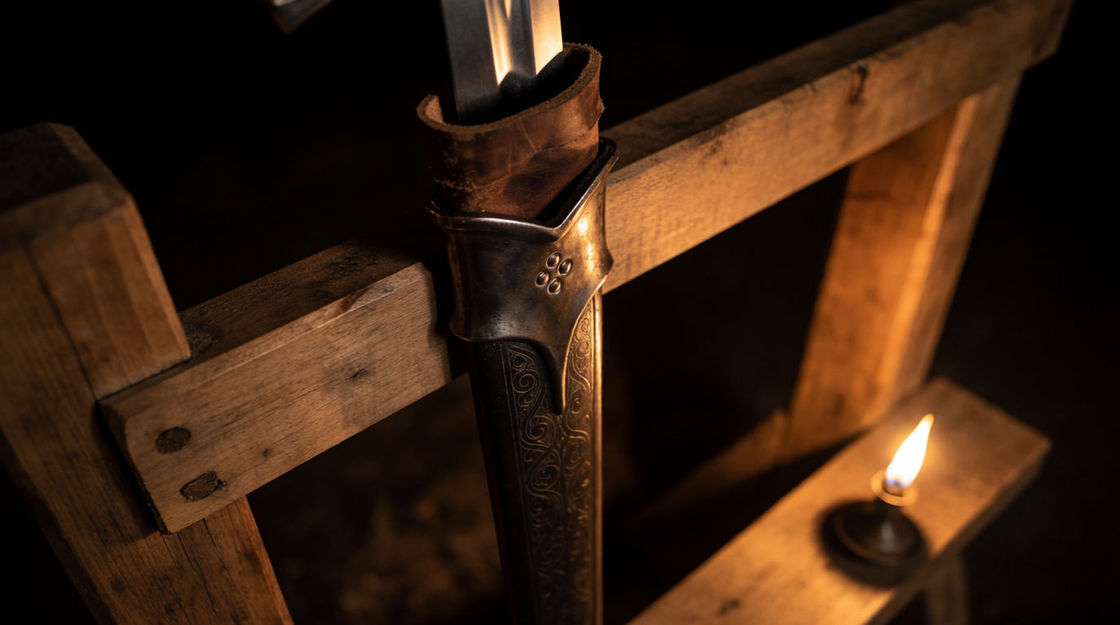
The blade going home, ending in a padded stop rather than a ring. It closes a confrontation in one gesture, which is why it so often lands better than any line written for the same moment.
Pick a starting point, edit anything you like, then generate it in Morphic.
Air displacement with a whistle in the middle tells the ear how fast the steel moved. It rescues slow choreography in live action, animation, and game cinematics alike.
Edit promptSharpening fills the wait before anything happens without laying music over it. It works in a comic, a radio drama, or a game menu as much as in a film scene.
Edit prompt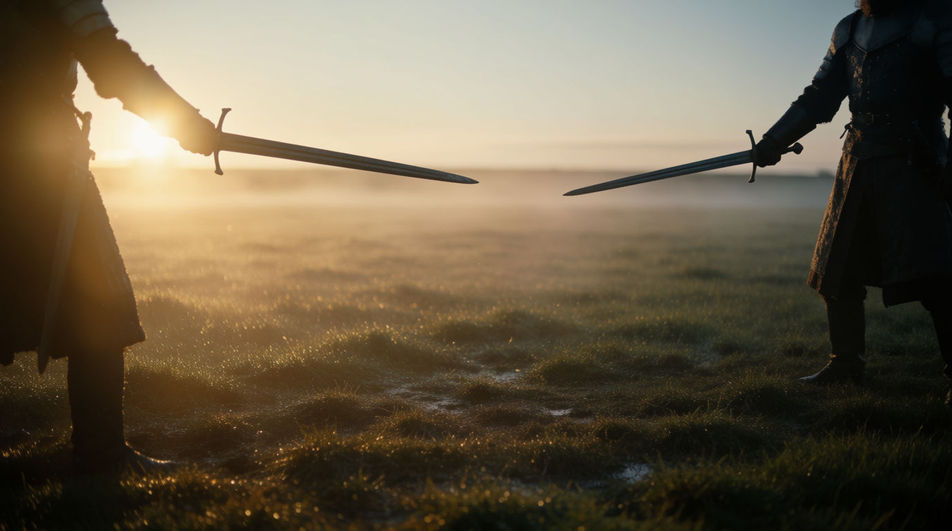
How much the steel rings decides which world the story lives in. A long bright tail reads heroic, a short dull one reads like a weapon somebody actually has to carry.
Edit prompt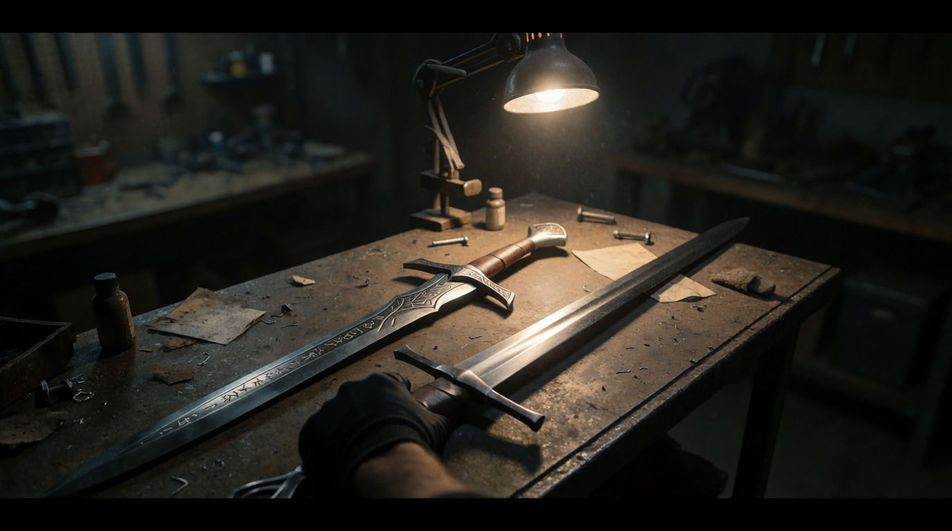
A draw behind the frame arms somebody the camera is not looking at. In a game it warns a player about a threat the level has not shown them yet.
Edit prompt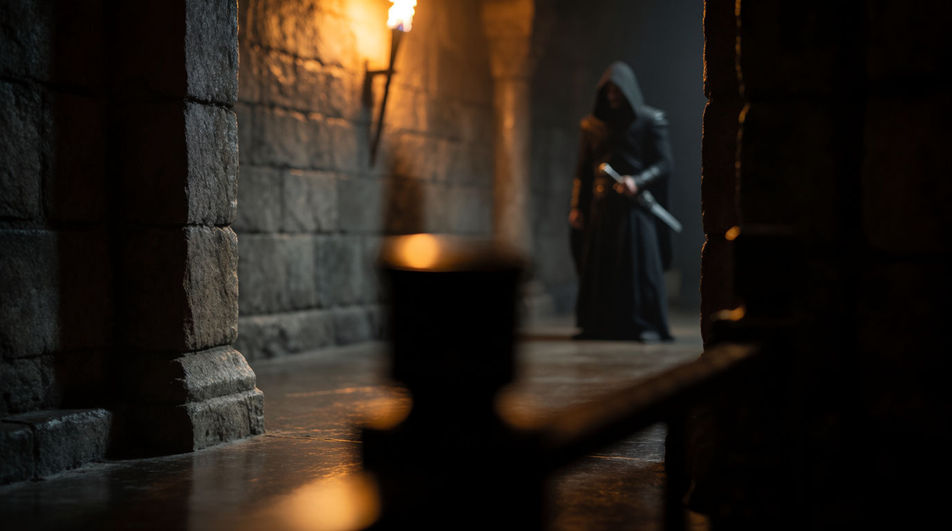
Dropping sound effects
Generate dropping sound effects with AI on Morphic. Describe the sound, pick a variation, and download MP3 or WAV for your video, game or podcast.
Electric shock sound effects
Generate electric shock sound effects with AI on Morphic. Describe the sound, pick a variation, and download MP3 or WAV for your video, game or podcast.
Electric spark sound effects
Generate electric spark sound effects with AI on Morphic. Describe the sound, pick a variation, and download MP3 or WAV for your video, game or podcast.
Explosion sound effects
Need a explosion sound effect with real weight? Morphic generates it to your spec, so the impact sits right against the picture.
Get started for free today, with the option to upgrade or cancel anytime.
Basic
2400 monthly credits
1 user only
All models
Workflows
Standard
3625 monthly credits
1 user only
All models
Workflows
Pro
6350 shared monthly credits
1 user
All models
Workflows
Max
24650 shared monthly credits
1 user
All models
Workflows
Enterprise
For higher limits
Custom
pricing and billing terms

Free
For playing around
$0
forever free