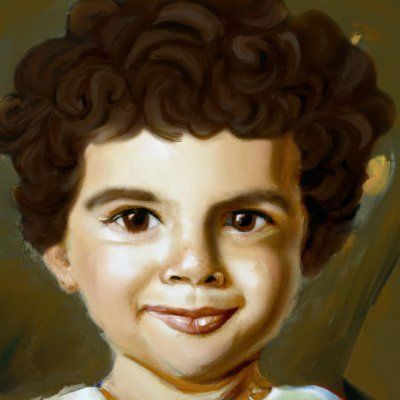
The 8 best AI avatar generators in 2026

Compare the 8 best AI avatar generators in 2026 for turning your photos into a stylized profile picture, character, or talking avatar. The right pick depends on whether you want a slick preset app, a 3D avatar for games, a video avatar that speaks, or full creative control. Morphic generates avatars across several flagship image models on one Canvas, so you can compare styles before you commit.

AI avatar generators at a glance

Each generator below leads on something specific: likeness, style range, 3D or video output, turnaround, or price. The table is sorted by what each one delivers best, so you can match the tool to the avatar you need instead of picking by ranking alone.

ToolBest forStandout feature
1.Morphic
Multi-model avatars with full creative controlTop image models plus editing on one Canvas
2.Lensa
Fun stylized profile pictures on mobileMagic Avatars from a batch of selfies
3.Midjourney
Art-directed, stylized avatarsCinematic style and mood
4.Ready Player Me
3D avatars for games and virtual worldsCross-platform 3D avatar you can reuse
5.HeyGen
Talking video avatars for presentationsLip-synced speaking avatars
6.Photo AI
Realistic avatars plus full-body shotsPersonal model for any scene
7.Fotor
Quick preset avatars in a photo editorAvatar maker inside a photo editor
8.Picsart
Playful avatars for social contentAvatars inside a broad creative app

The 8 best AI avatar generators for every use case

Morphic

Generate avatars across GPT Image, Flux, Seedream, Nano Banana, and more inside one free-flowing visual Canvas, then refine on the spot.

  • Upload a reference selfie, pick a model (GPT Image, Flux, Seedream, or Nano Banana), and describe the avatar: anime, painterly, cyberpunk, clean corporate. The results land on a free-flowing visual Canvas where you keep iterating.
  • Range matters. Need a stylized profile picture, a consistent character for a series, or a set of matching avatars for a team, run the model that suits each and compare side by side without a new subscription.
  • Avatars stay live on the Canvas. Change the art style, swap the background, tweak wardrobe or colour, or upscale the winner, all without re-uploading or starting over.
  • Ask the agentic Copilot for a spread of looks from one selfie and it drafts variations, so you refine from real options instead of guessing at a prompt.
Try nowBest for: Multi-model avatars with full creative control

Try more on Morphic

#2

Lensa

The app that popularized AI avatars, turning a batch of selfies into stylized Magic Avatars.

Lensa brought AI avatars to the mainstream with its Magic Avatars feature, which trains on a batch of your selfies and returns dozens of stylized portraits across fantasy, editorial, and artistic themes. It is built for phones and casual users who want a fun new profile picture without any prompt work. The trade is limited control over the exact result, occasional likeness drift, and a paid pack model where you buy a set rather than direct each shot.

Best for: Fun stylized profile pictures on mobile
Pros
  • Mainstream, phone-first experience
  • Wide range of artistic themes per pack
Cons
  • Little control over the exact output
  • Paid packs, no free generation
#3

Midjourney

The aesthetic flagship for AI images, capable of striking stylized avatars with a character reference.

Midjourney is not a dedicated avatar app, but with a character reference and a careful prompt it produces some of the most striking stylized avatars available, with cinematic lighting and mood by default. It suits creators who want a distinctive, art-directed look rather than a quick preset. The catch is likeness: without a strong reference workflow it drifts from your exact face, and it takes prompt skill to land a specific style. Every plan is paid, and there is no one-tap batch-from-selfies flow.

Best for: Art-directed, stylized avatars
Pros
  • Striking, distinctive avatar aesthetics
  • Strong control with style and character references
Cons
  • Likeness drifts without a careful reference workflow
  • No one-tap batch-from-selfies flow
#4

Ready Player Me

A cross-platform 3D avatar creator built for games, apps, and virtual worlds.

Ready Player Me makes 3D, riggable avatars from a selfie that you can carry across hundreds of games, apps, and virtual worlds. Its focus is a persistent character you actually control in a 3D space, not a static profile picture, which makes it the go-to for metaverse and gaming use. The style is a stylized 3D look rather than photoreal, and it is a different category from portrait avatars, so it fits a specific need rather than a quick social image.

Best for: 3D avatars for games and virtual worlds
Pros
  • Persistent 3D avatar across many apps
  • Riggable for real-time use
Cons
  • Stylized 3D look, not photoreal portraits
  • Aimed at 3D use over social images
#5

HeyGen

A talking-avatar platform that turns a photo or a script into a speaking video presenter.

HeyGen generates video avatars that talk: you supply a face or pick a preset presenter, add a script, and it produces a lip-synced clip in many languages. That makes it a favorite for training videos, product explainers, and localized marketing where a face on camera saves a shoot. It is a video-avatar tool rather than a still-image maker, so it solves a different problem, and the fuller presenter and language features run on paid business tiers.

Best for: Talking video avatars for presentations
Pros
  • Turns a script into a presenter video
  • Multilingual voice and lip sync
Cons
  • Video avatars, not still profile pictures
  • Business features on paid tiers
#6

Photo AI

A personal-model photo generator that produces avatars alongside full-body and lifestyle shots.

Photo AI trains a personal model from your photos, then generates avatars plus full-body, travel, and lifestyle imagery in any setting you prompt. The draw is a versatile personal image bank rather than a single stylized avatar, which suits creators and founders who want realistic shots of themselves at scale. The trade is that a general personal-model tool asks for more prompt effort to nail a specific avatar style than a one-tap app, and it runs on a paid subscription.

Best for: Realistic avatars plus full-body shots
Pros
  • Avatars plus full-body and lifestyle images
  • Flexible prompting for custom looks
Cons
  • More prompt effort for a specific style
  • Paid subscription only
#7

Fotor

An online photo editor with a quick AI avatar maker across a range of preset styles.

Fotor bundles an AI avatar maker into its wider photo-editing suite, turning an uploaded photo into stylized avatars across cartoon, anime, and painterly presets. It is convenient for casual users who also want to crop, retouch, and design in the same browser tab. The output is fine for a quick social refresh rather than a highly art-directed piece, and the more advanced styles and higher resolutions sit behind a paid plan, as with most all-in-one editors.

Best for: Quick preset avatars in a photo editor
Pros
  • Convenient alongside general editing tools
  • Several preset avatar styles
Cons
  • Casual quality over art-directed results
  • Top styles and resolutions are paid
#8

Picsart

A creative app with AI avatars alongside a large kit of editing and design features.

Picsart folds AI avatar generation into a huge mobile and web creative app, so an avatar sits next to stickers, backgrounds, and social templates you might already use. It is aimed at fast, playful content for social feeds, with a broad style library and a low barrier to entry. The trade is that avatar-specific control and likeness are lighter than a dedicated portrait tool, and the fuller feature set and exports run on a paid subscription.

Best for: Playful avatars for social content
Pros
  • Big style library for social content
  • Sits alongside editing and design tools
Cons
  • Lighter likeness and avatar control
  • Full features on a paid subscription

What is an AI avatar generator?

An AI avatar generator turns your photos into a stylized version of you: a profile picture, a character, or a talking presenter. The model reads a reference of your face and renders new images in a chosen style, from anime and painterly to clean 3D, without a designer or a photo shoot. The category is broad, running from one-tap phone apps to 3D avatars for games and prompt-driven workspaces where you direct every detail.

Quality comes down to likeness and style control. A great avatar keeps enough of you to be recognisable while committing to a look, and the best tools let you steer that balance rather than handing you a fixed pack. Because avatars span still images, 3D, and video, the right tool depends heavily on where you plan to use it, which is why it pays to match the category to the need.

AI avatars vs a photoshoot or illustrator

A photographer or illustrator gives you a bespoke image made by a human, with real direction and a one-of-a-kind result, at the cost of time and a real budget. An AI avatar generator compresses that into an upload: you send a selfie, pick a style, and get a set of avatars back in minutes for a fraction of the price, with retries on the prompt instead of a reshoot or a revision round.

The trade is originality versus speed and cost. For a signature brand portrait or a hand-illustrated character that has to be unique, a human still wins. For a social profile, a gaming persona, or a founder who wants a fresh look today, AI avatars close most of the gap and cost far less. Many creators now generate a direction with AI and commission a human only for the pieces that truly need it.

How AI avatar generators work

Most tools take a reference of your face and generate new images guided by a style prompt or preset. Batch apps fine-tune a small personal model on several selfies to learn your likeness, then render dozens of stylized shots. General image models lean on a single reference image to hold your face while you describe the look. Either way, a diffusion model renders each avatar pixel by pixel, and 3D tools instead build a riggable mesh you control in real time.

Inside Morphic, the text-to-image tool brings several flagship models together in one place. Upload a reference selfie, pick a model, and describe the avatar style you want. The results land on the Canvas, where you can change the art style, swap the background, tweak wardrobe or colour, and upscale the winner, all before you download a single file.
What creators say about Morphic

Simple pricing

Get started for free today, with the option to upgrade or cancel anytime.

Basic

$9/ month
billed as $0 per year

900 monthly credits

1 user only

All models

Workflows

Standard

$24/ month
billed as $0 per year

3200 monthly credits

1 user only

All models

Workflows

Pro

$45/ month
billed as $0 per year

6200 shared monthly credits

1 user

+ up to 4 more at extra cost

All models

Workflows

Pro Max

$170/ month
billed as $0 per year

24000 shared monthly credits

1 user

+ up to 9 more at extra cost

All models

Workflows

Enterprise

For higher limits

Custom

pricing and billing terms

High-volume credits
Custom seat limits
All models
Workflows
Pricing Gradient

Free

For playing around

$0

forever free

Up to 20 credits
1 user only
Limited models
Workflows

FAQs

What is the best AI avatar generator in 2026?
It depends on the avatar you want. Apps like Lensa lead on quick stylized profile pictures, Ready Player Me leads on 3D avatars for games, HeyGen leads on talking video avatars, and a multi-model workspace like Morphic wins when you want to compare styles and refine the result yourself.
Are there free AI avatar generators?
Some offer a free tier or trial, while dedicated apps often sell avatar packs. Morphic has a free tier so you can generate and iterate on avatar styles from a reference selfie before you decide.
How many photos do I need for an AI avatar?
Batch apps usually ask for several selfies from different angles so the model learns your likeness. On Morphic you can work from a single clear reference selfie and guide the style with a prompt, then refine from the first result.
Can AI avatars keep my likeness?
Likeness varies by tool and style. The more stylized the avatar, the more it drifts from your exact face by design. Starting from a clear, well-lit reference gives every tool the best chance, and comparing a few models, as you can on Morphic, helps you find the right balance.
What is the difference between an avatar and a headshot generator?
A headshot generator aims for a realistic professional portrait, while an avatar generator leans into style: anime, 3D, painterly, or a character look. Morphic covers both, since you pick the model and describe the style you want on the same Canvas.
Can I use an AI avatar across profiles?
Yes, a generated avatar works across social, gaming, and work profiles. For a consistent look, reuse the same reference and style. On Morphic the avatar stays live on the Canvas, so you can produce matching variants for different platforms.