The she-wolf at the Lupercal
A lean grey she-wolf lowering her head to nurse the infant twins Romulus and Remus at the mouth of a cave above the Tiber, reeds and morning mist along the riverbank, soft dawn light catching the water.
Edit prompt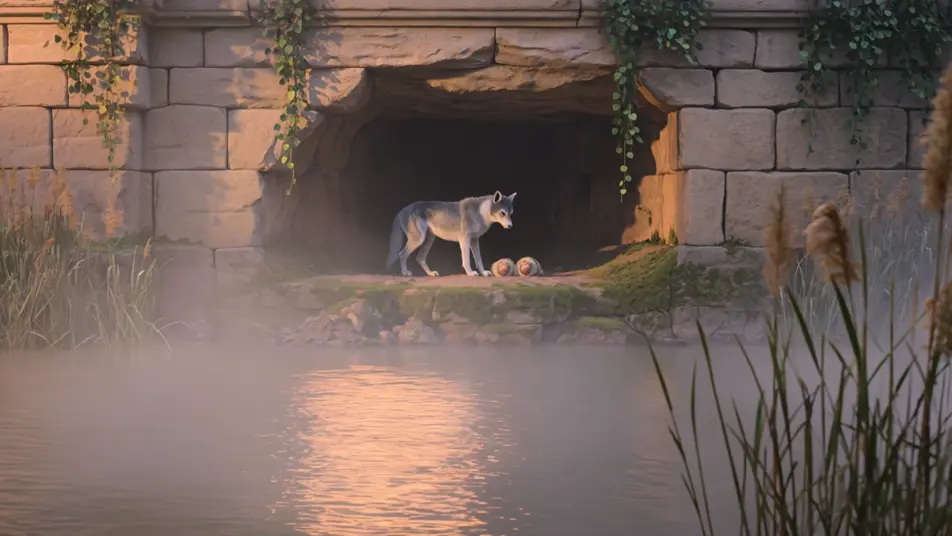
Direct ancient Rome in your browser with Morphic's Roman mythology AI video generator. Generate the she-wolf nursing Romulus and Remus or Jupiter hurling a thunderbolt, add Latin narration with Speech and Music, and stitch a Roman mythology episode.
A lean grey she-wolf lowering her head to nurse the infant twins Romulus and Remus at the mouth of a cave above the Tiber, reeds and morning mist along the riverbank, soft dawn light catching the water.
Edit promptA victorious general in a four-horse chariot rolling through a Roman triumphal arch, crowds and laurel and trumpets along the Sacred Way, the temples of the Forum rising white and gold behind in afternoon sun.
Edit prompt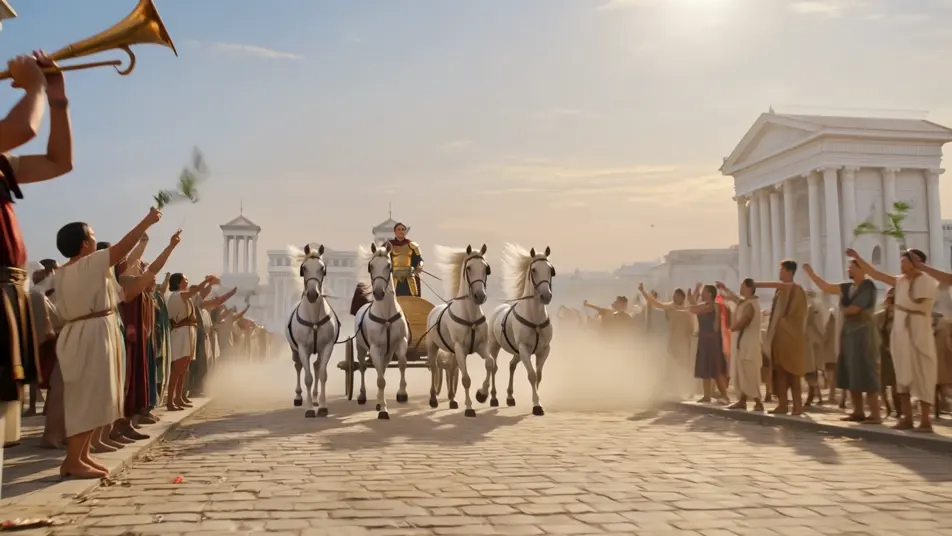
The great temple of Jupiter Optimus Maximus crowning the Capitoline Hill at first light, painted columns and a gilded roof, smoke rising from an altar, the city of Rome spread out below in the early haze.
Edit prompt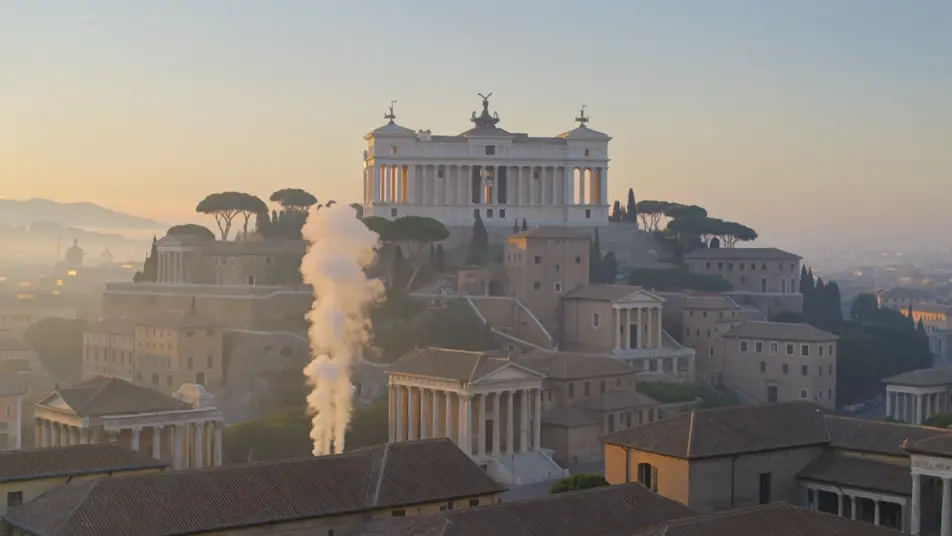
Jupiter on a storm-dark Olympus hurling a forked thunderbolt earthward, eagle at his side, clouds boiling and lit from within, the bolt’s white arc reflected in the marble at his feet.
Edit prompt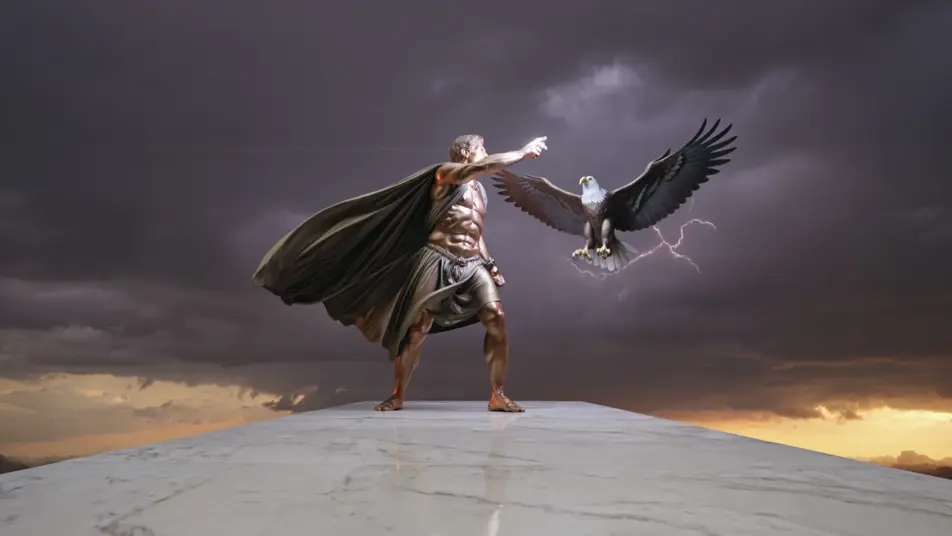
Write the Roman mythology scene you want, in plain words.
Morphic generates a cinematic, frame-ready clip on your canvas in seconds.
Tweak the prompt, regenerate variations, then download or share the shot.

Share a scene description with character references. Get a full storyboard with shot angles and mood.
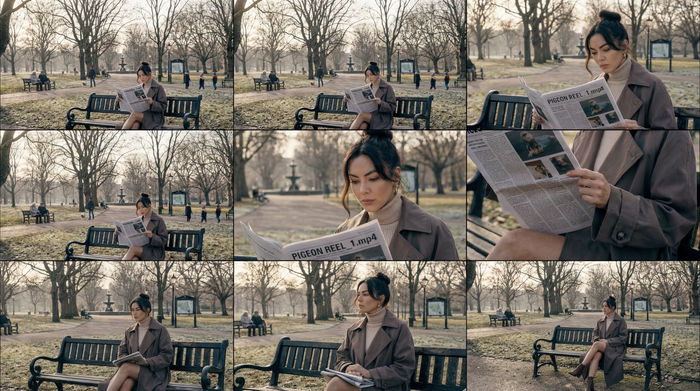
Feed in a single image. Get 9 cinematic beats laid out as a 3x3 storyboard grid.
Drop in a photo of yourself. Get a 12-second cinematic movie with animation and a matched soundtrack.
One image to a 9-scene cinematic video.
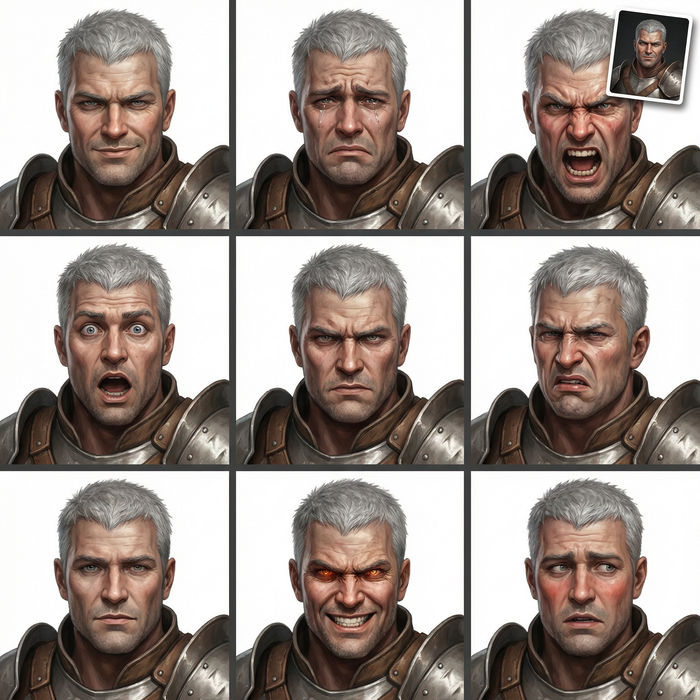
Take any character image and generate 6 distinct facial expressions on a single reference sheet.
Cinematic time-freeze short film for any scene
Greek mythology AI Videos
Create Greek mythology scenes, Olympian portraits, and hero-arc shorts with Morphic. Generate, narrate, and score mythology episode videos from one prompt.
Norse mythology AI Videos
Create Norse mythology scenes, Eddic god portraits, and Ragnarok shorts with Morphic. Generate, narrate, and score Norse videos from a single prompt.
Egyptian mythology AI Videos
Create Egyptian mythology scenes, god portraits, and Duat shorts with Morphic. Generate, narrate, and score full episodes from a single prompt.
Celtic mythology AI Videos
Create Celtic mythology scenes, Tuatha De Danann portraits, and Cu Chulainn battle shorts with Morphic. Generate, narrate, and score videos from a prompt.
Get started for free today, with the option to upgrade or cancel anytime.
Basic
2400 monthly credits
1 user only
All models
Workflows
Standard
3625 monthly credits
1 user only
All models
Workflows
Pro
6350 shared monthly credits
1 user
All models
Workflows
Max
24650 shared monthly credits
1 user
All models
Workflows
Enterprise
For higher limits
Custom
pricing and billing terms

Free
For playing around
$0
forever free