Punctuate the order to fire
The boom on the cut is the loudest punctuation a period scene has, and it works the same in a game as on film.
编辑提示词
The firing boom with its rolling tail, a whole broadside, the shot landing somewhere else, the ramrod and the fuse. Describe the distance and Morphic builds it.
A heavy compressed boom with a hard front edge and a long rolling tail. The tail is what makes it a cannon rather than a blast.
Several booms at slightly different moments overlapping into one roll. The offsets are what stop it sounding like one loud shot.
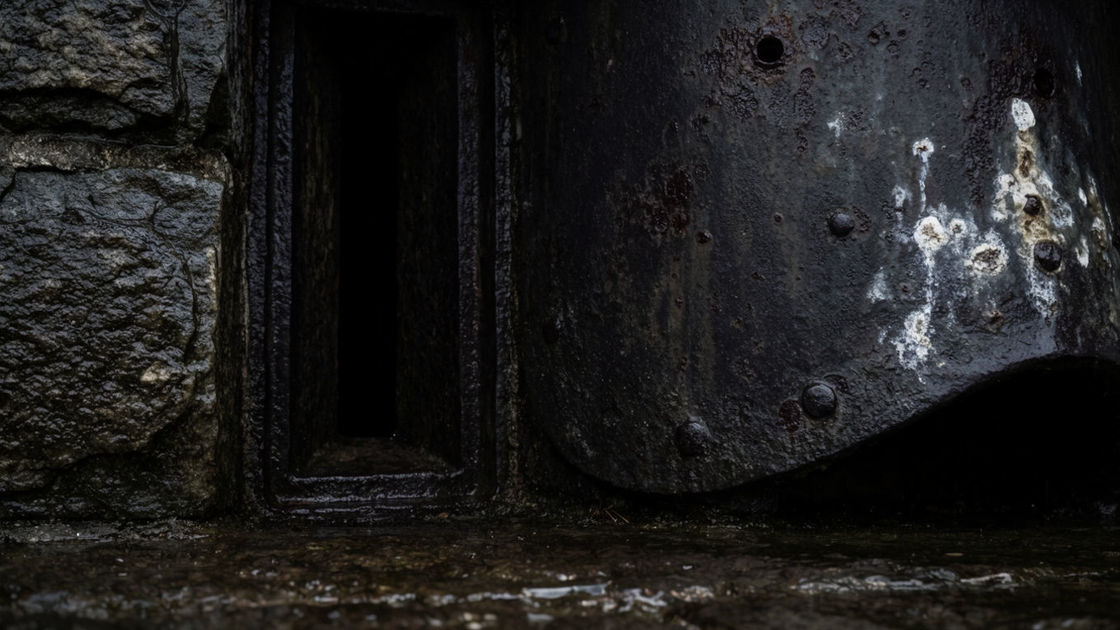
The sharp front edge gone, soft and slow to fade. Places the battle somewhere over a hill.
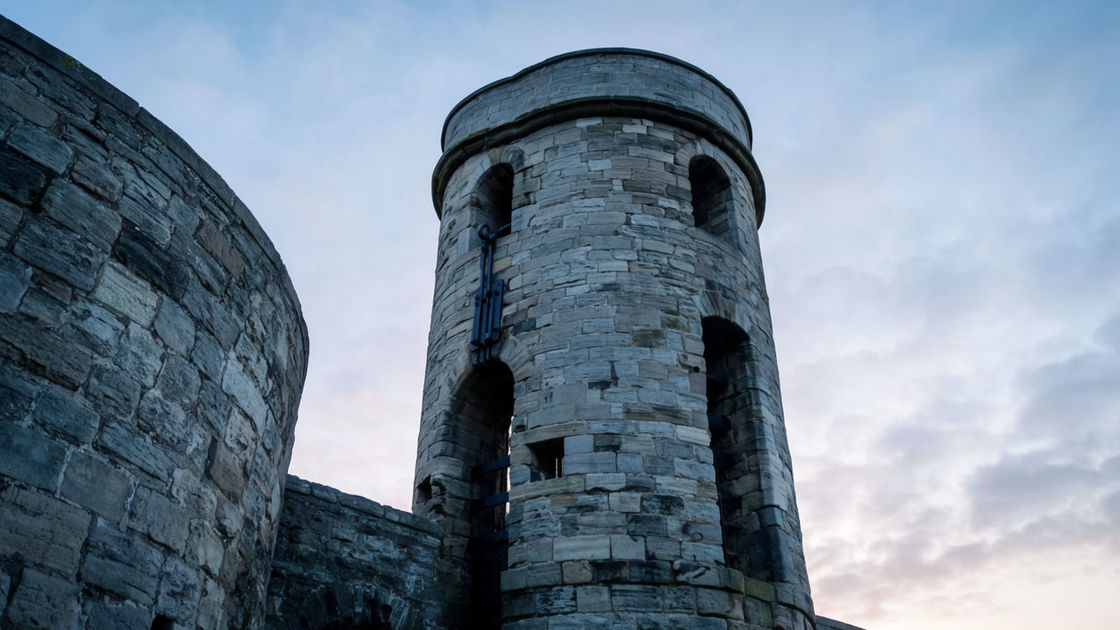
A whistle falling in pitch then a heavy impact and debris. The receiving end, which most cannon audio forgets.
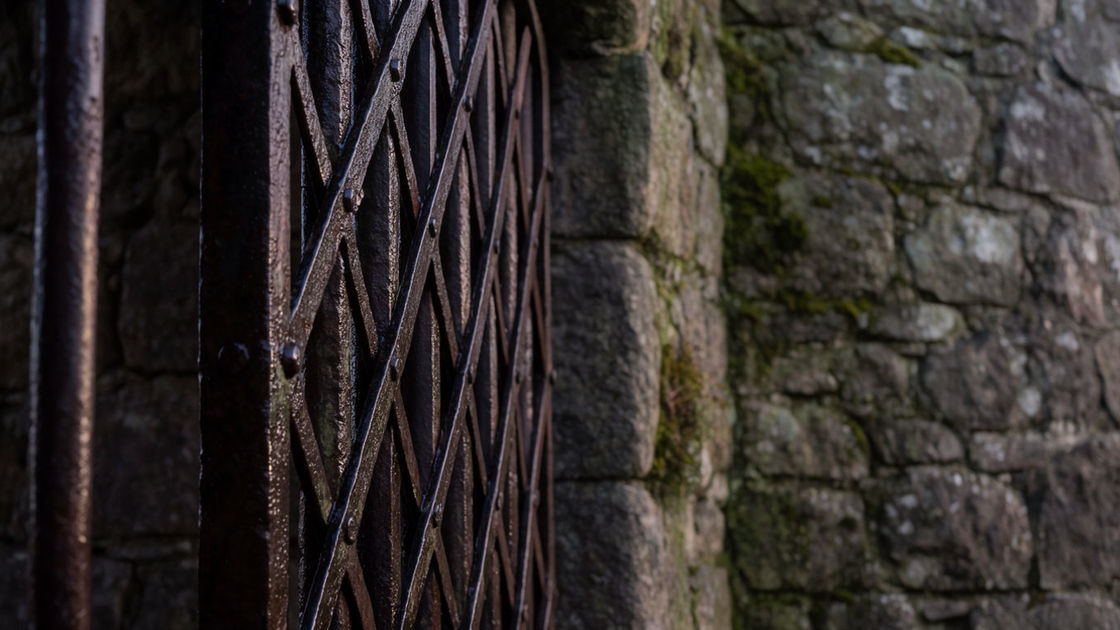
A shaft pushed twice down a hollow tube with a scrape and a firm stop. The waiting that makes the firing land.
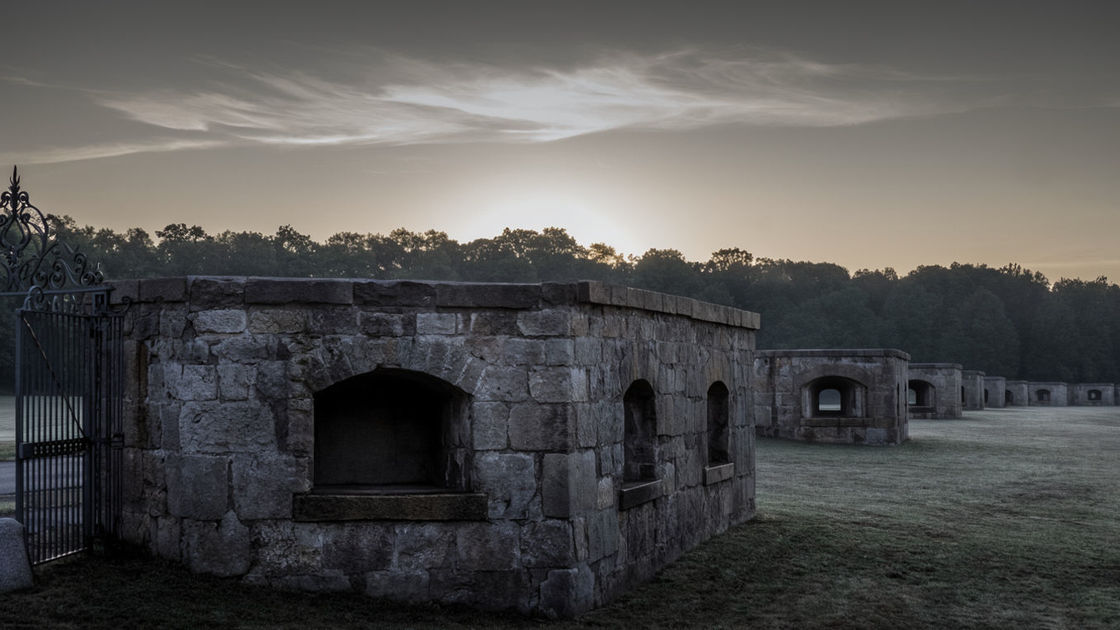
A fine sputtering hiss travelling and speeding up. Four seconds of dread before anything happens.
选择一个起点,随意修改,然后在 Morphic 中生成。
The boom on the cut is the loudest punctuation a period scene has, and it works the same in a game as on film.
编辑提示词A fuse burning carries four seconds of nobody moving, and the acceleration at the end times the cut for you.
编辑提示词
A hard front edge means here. Only a dull low roll means over the hill. The missing top is the distance.
编辑提示词
A falling whistle and an impact puts the shot landing somewhere off screen, so a scene can stay on the people who fired it.
编辑提示词
Metal clang sound effects
Metal clang sound effects: pipes, sheet metal, gates and hollow tanks. Generate the exact weight your shot needs and download it.
Nuclear blast sound effects
Browse ready-made nuke sound effect clips, then generate your own at the length your scene needs. Morphic makes sound, voice, image and video in one workspace.
Punch sound effect
Generate a punch sound effect with Morphic. Choose the weight, the depth, and the follow-through so the impact sits right against the picture.
Rock slide sound effects
Generate rock slide sound effects for your own scene, cascading stone, single boulders, gravel wash and cave-in crashes, made to your exact timing.
今天就免费开始,随时可以升级或取消。
Basic
2400 每月 信用
1 个用户
所有模型
工作流
Standard
3625 每月 信用
1 个用户
所有模型
工作流
Pro
6350 共享 每月 信用
1 用户
所有模型
工作流
Max
24650 共享 每月 信用
1 用户
所有模型
工作流
Enterprise
更高的限制
自定义
定价和账单条款

Free
供随意体验
$0
永久免费