Notebook biology page
A DNA helix drawn on a lined notebook page in pencil with arrows and blank callout lines beside it, an eraser smudge and a torn corner at the edge.
Edit prompt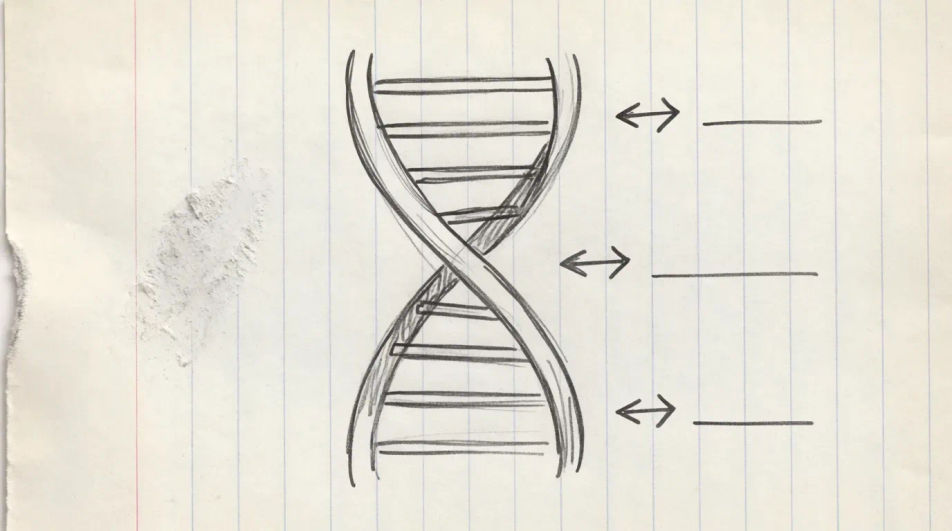
Describe the DNA drawing you want in Morphic's Image tool, from a labelled double helix study to a stripped-back icon for a slide, and get a finished image back. Set the twist, the base-pair spacing, the line weight and the paper, adjust it on the Canvas, then download it in HD.
A DNA helix drawn on a lined notebook page in pencil with arrows and blank callout lines beside it, an eraser smudge and a torn corner at the edge.
Edit promptOne helix splitting open down the middle across the frame, ink contour with grey wash, the paired rungs breaking apart cleanly toward the right.
Edit prompt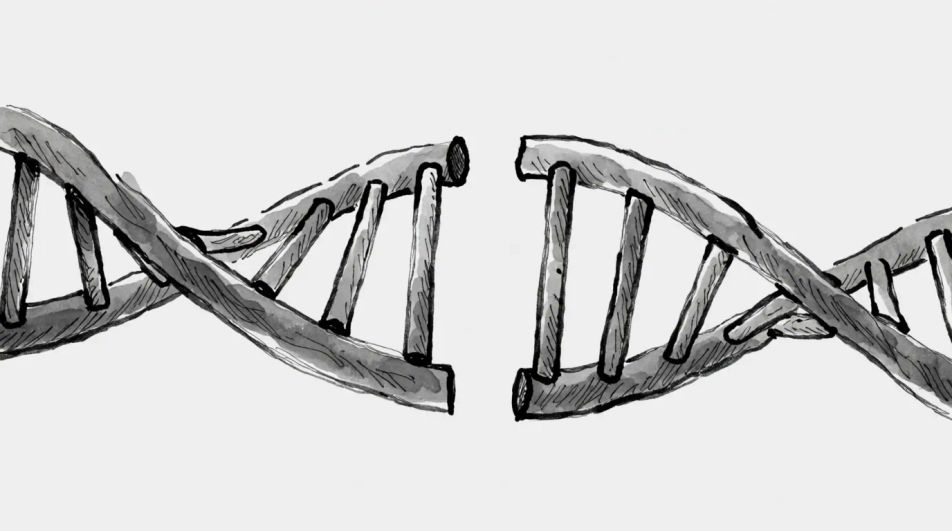
A long horizontal helix laid across the frame as flat vector line with generous white space above and below, sized for a slide header or a banner.
Edit prompt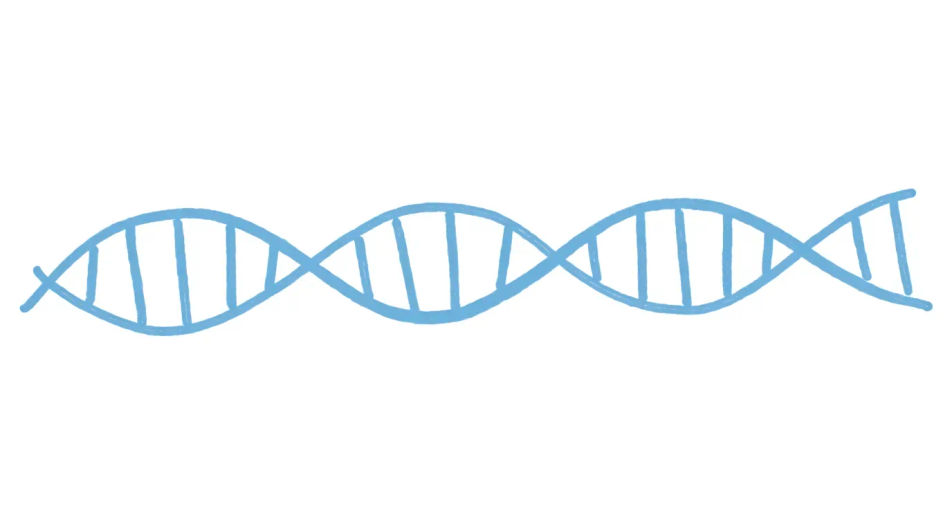
A DNA strand drawn over a faint graph-paper grid, fine pen line for the helix and pastel tone dropped behind it so the structure stays the brightest thing.
Edit prompt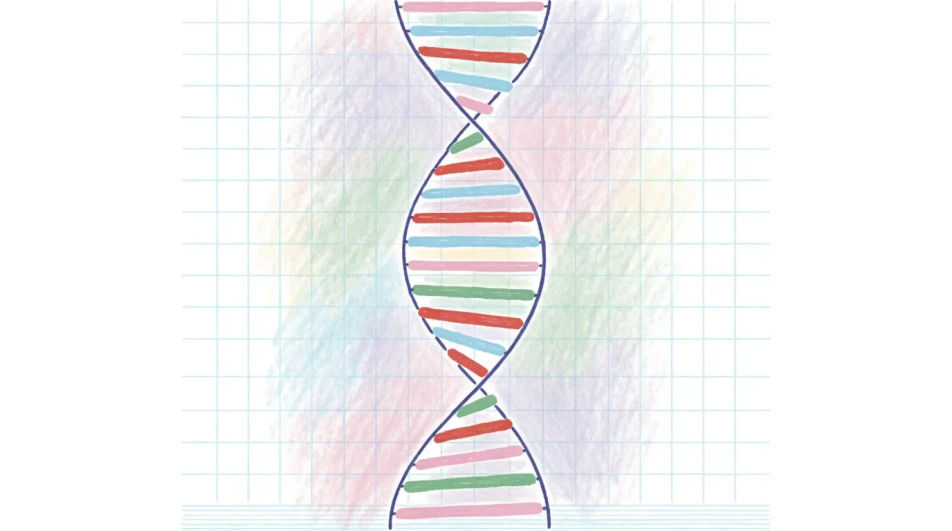
Describe the DNA drawing you want, in plain words.
Morphic generates a clean, ready-to-publish image on your canvas in seconds.
Tweak the prompt, regenerate variations, then download or share the frame.
Pick a reference image, apply its visual style to your own photo or artwork.
Convert any image to a new aspect ratio. Smart crop or extend the edges to fit.
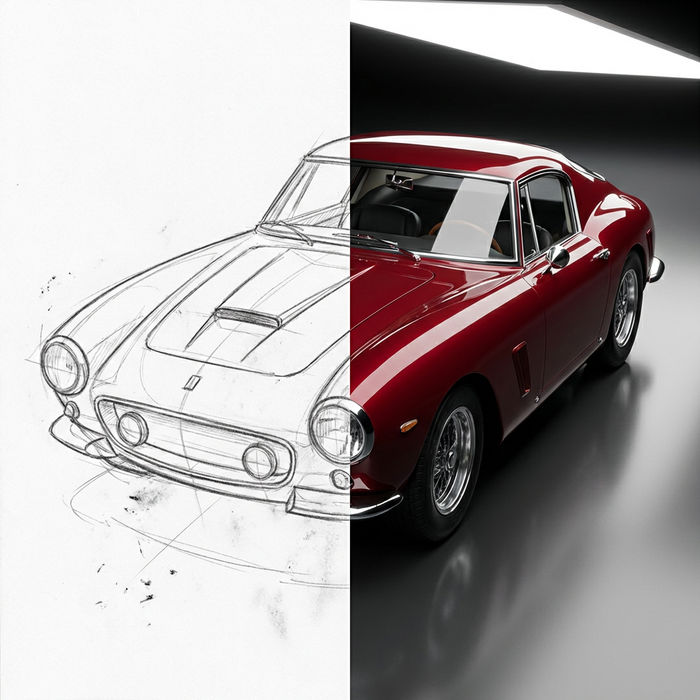
Turn any sketch or drawing into a finished render.
Restyle any video in a completely new visual style. Every frame transforms, all motion stays intact.
Reimagine any anime character as a photorealistic, high-fashion live-action portrait.
One selfie becomes a set of professional headshots. Studio-quality, multiple styles.
Neuron drawings, from cell study to network
Turn a neuron drawing idea into a finished image in Morphic. Describe the line work and style, generate variations, then refine it on the canvas.
Atom drawings, from diagram to study
Turn an atom drawing idea into a finished image in Morphic. Describe the line work and style, generate variations, then refine it on the canvas.
Protein structure drawing generator
Turn a protein drawing idea into a finished image in Morphic. Describe the line work and style, generate variations, then refine it on the canvas.
French Revolution drawing maker
Turn a French Revolution drawing idea into a finished image in Morphic. Describe the line work and style, generate variations, then refine it on the canvas.
Get started for free today, with the option to upgrade or cancel anytime.
Basic
2400 monthly credits
1 user only
All models
Workflows
Standard
3625 monthly credits
1 user only
All models
Workflows
Pro
6350 shared monthly credits
1 user
All models
Workflows
Max
24650 shared monthly credits
1 user
All models
Workflows
Enterprise
For higher limits
Custom
pricing and billing terms

Free
For playing around
$0
forever free