Close-up shot
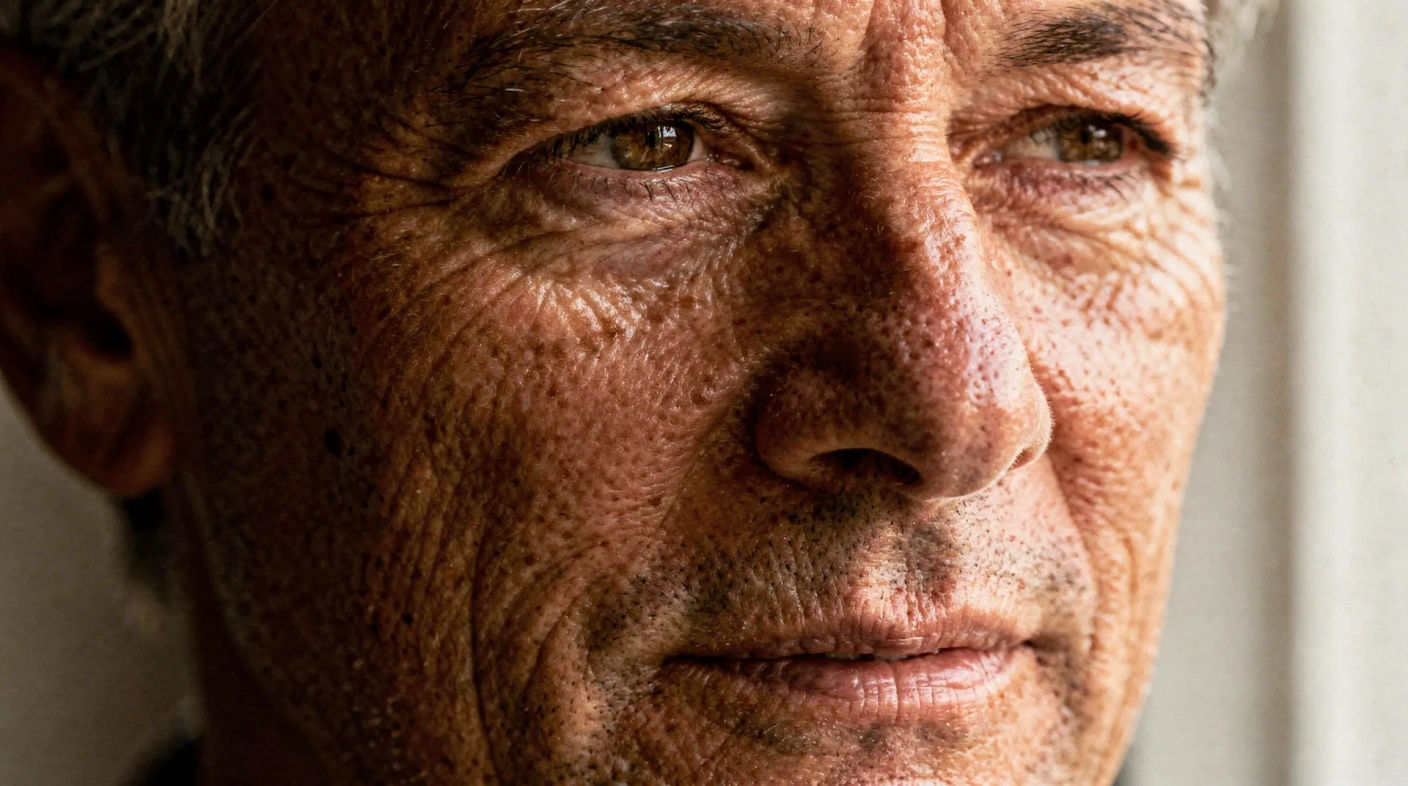
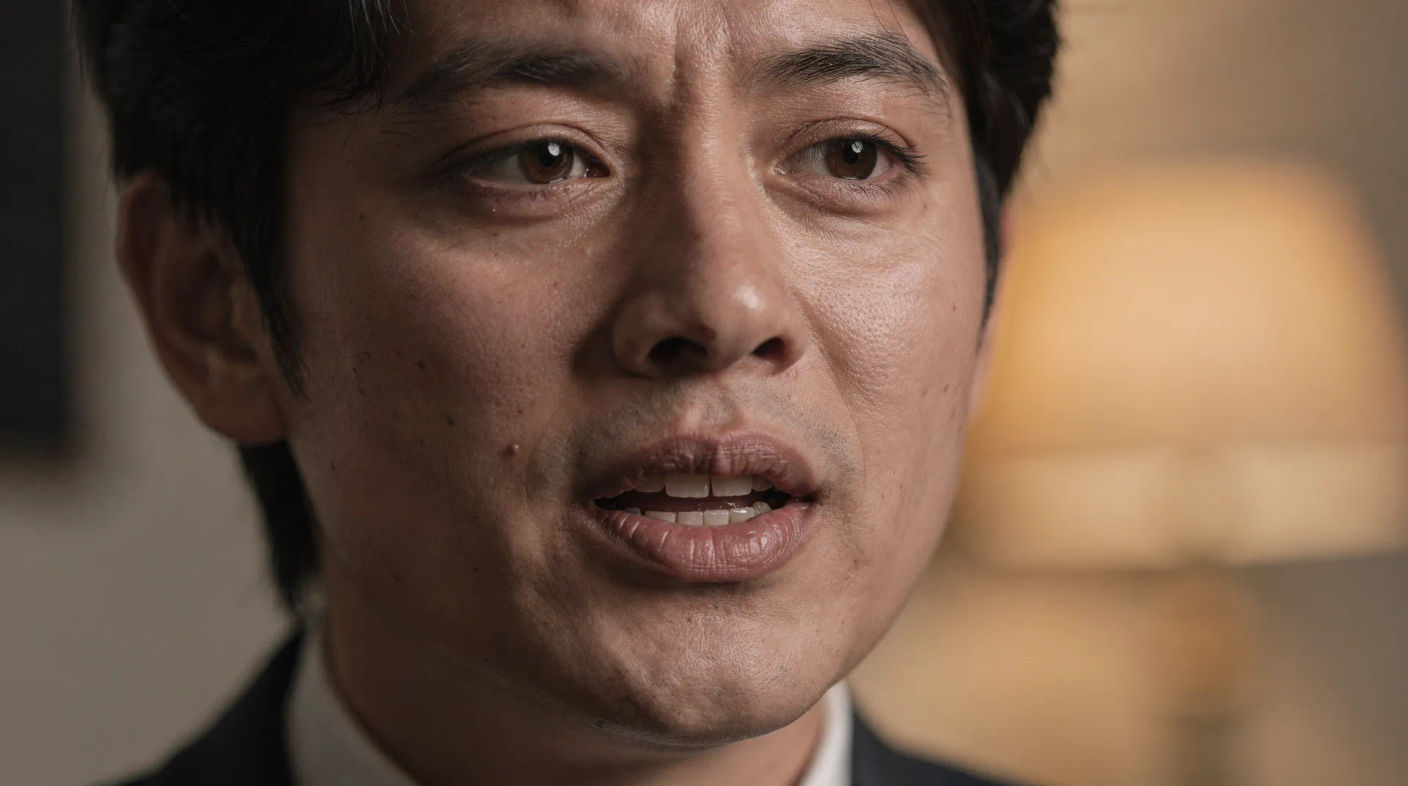
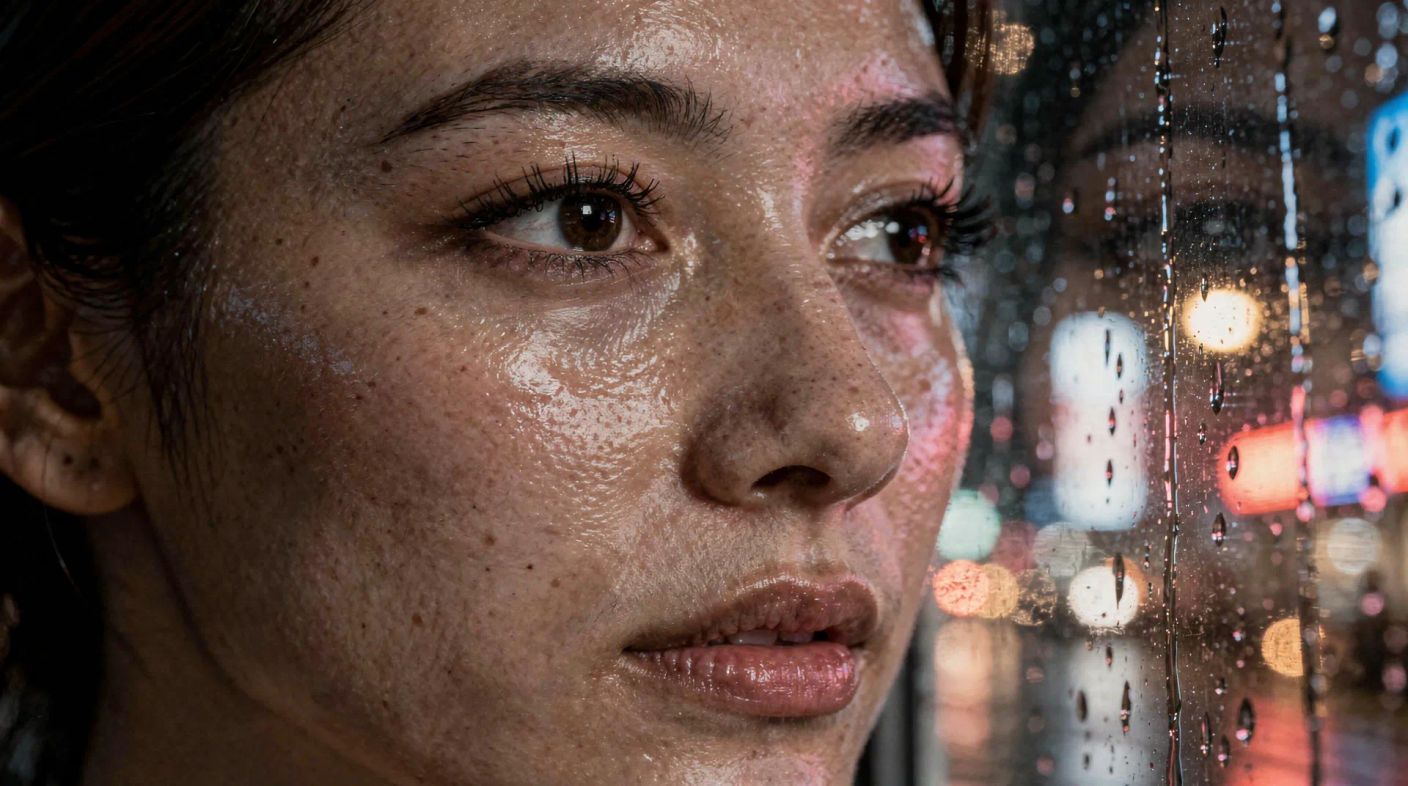
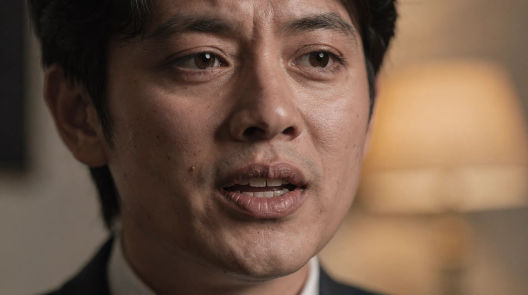
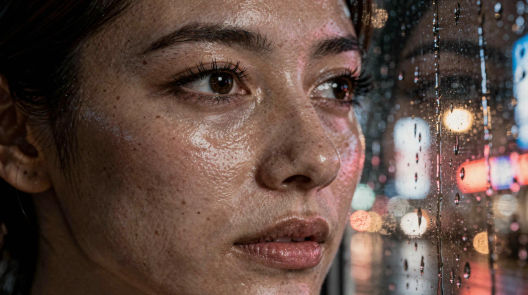
A close-up shot fills the frame with a subject's face, roughly from the chin to just above the head. It hands the scene to the performance, so every flicker of expression carries. Frame one in your browser with Morphic, then animate the still with Image to Video.
Close-up shots you can generate


When to use a close-up shot
Carrying a reaction
Cut to a close-up the moment a line lands, so the audience reads the response on the face instead of being told it.
Building intimacy
Move in close as a conversation turns personal. The tighter frame shrinks the distance between viewer and character.
Marking a turning point
Hold on a face at the moment a decision is made, so the beat reads as a change rather than a pause.
Interviews and talking heads
The default frame for documentary and brand interviews, close enough for connection while still reading as natural.
Where it sits in the shot-size spectrum
Make Close-up shot in three steps
- 01
Describe your image
Describe the Close-up shot you want, in plain words.
- 02
Generate the image
Morphic generates a clean, ready-to-publish image on your canvas in seconds.
- 03
Refine and share
Tweak the prompt, regenerate variations, then download or share the frame.

Cinematic storyboard
Share a scene description with character references. Get a full storyboard with shot angles and mood.
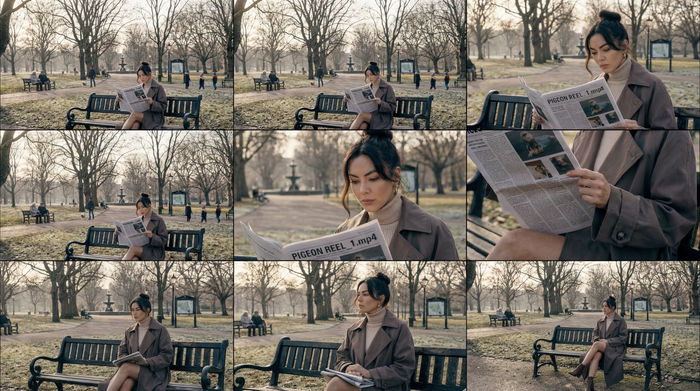
3x3 storyboard
Feed in a single image. Get 9 cinematic beats laid out as a 3x3 storyboard grid.
Cinematic scene
One image to a 9-scene cinematic video.
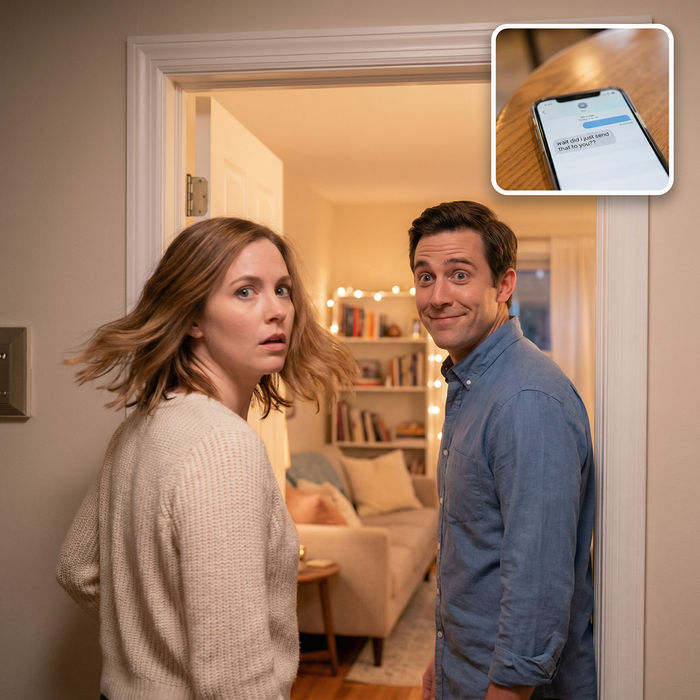
Messages to cinematic scene
Dramatize any text conversation into a cinematic multi-shot video.
Time-freeze effect
Cinematic time-freeze short film for any scene
Put yourself in a movie
Drop in a photo of yourself. Get a 12-second cinematic movie with animation and a matched soundtrack.
You might also like
Dolly shot
Create a dolly shot with AI video. Copy the prompts behind each example, push in or pull out, and generate the camera move in Morphic.
Bokeh shot
A bokeh shot melts background light into soft orbs behind a sharp subject. See how to get the look and generate one from a prompt in Morphic.
Full body shot
A full body shot frames the subject head to toe so wardrobe and stance read in full. See when to use it and create one from a prompt in Morphic.
God's eye view shot
Create a god's eye view shot with AI video. Copy the prompts behind five example clips and generate the straight-down angle in Morphic.
Simple pricing
Get started for free today, with the option to upgrade or cancel anytime.
Basic
2400 monthly credits
1 user only
All models
Workflows
Standard
3625 monthly credits
1 user only
All models
Workflows
Pro
6350 shared monthly credits
1 user
All models
Workflows
Max
24650 shared monthly credits
1 user
All models
Workflows
Enterprise
For higher limits
Custom
pricing and billing terms
Free
For playing around
$0
forever free