God's eye view shot
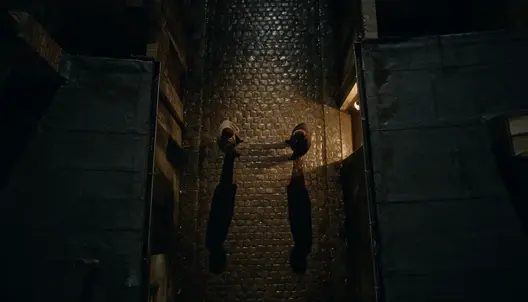
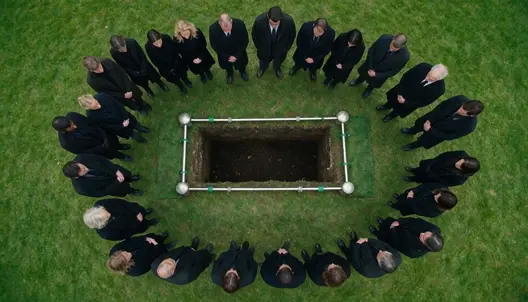
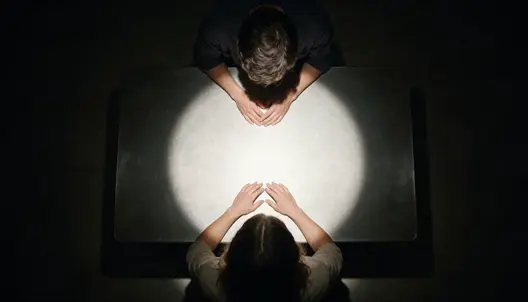
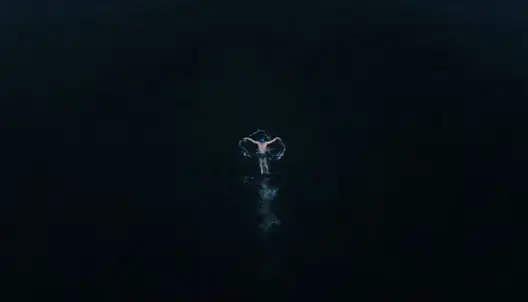
A god's eye view shot looks straight down from directly overhead, so the scene below feels watched rather than lived. It reads as fate, surveillance, or judgement. Generate the vertical frame in Morphic, then animate the descent with Image to Video.
God's eye view shots you can generate
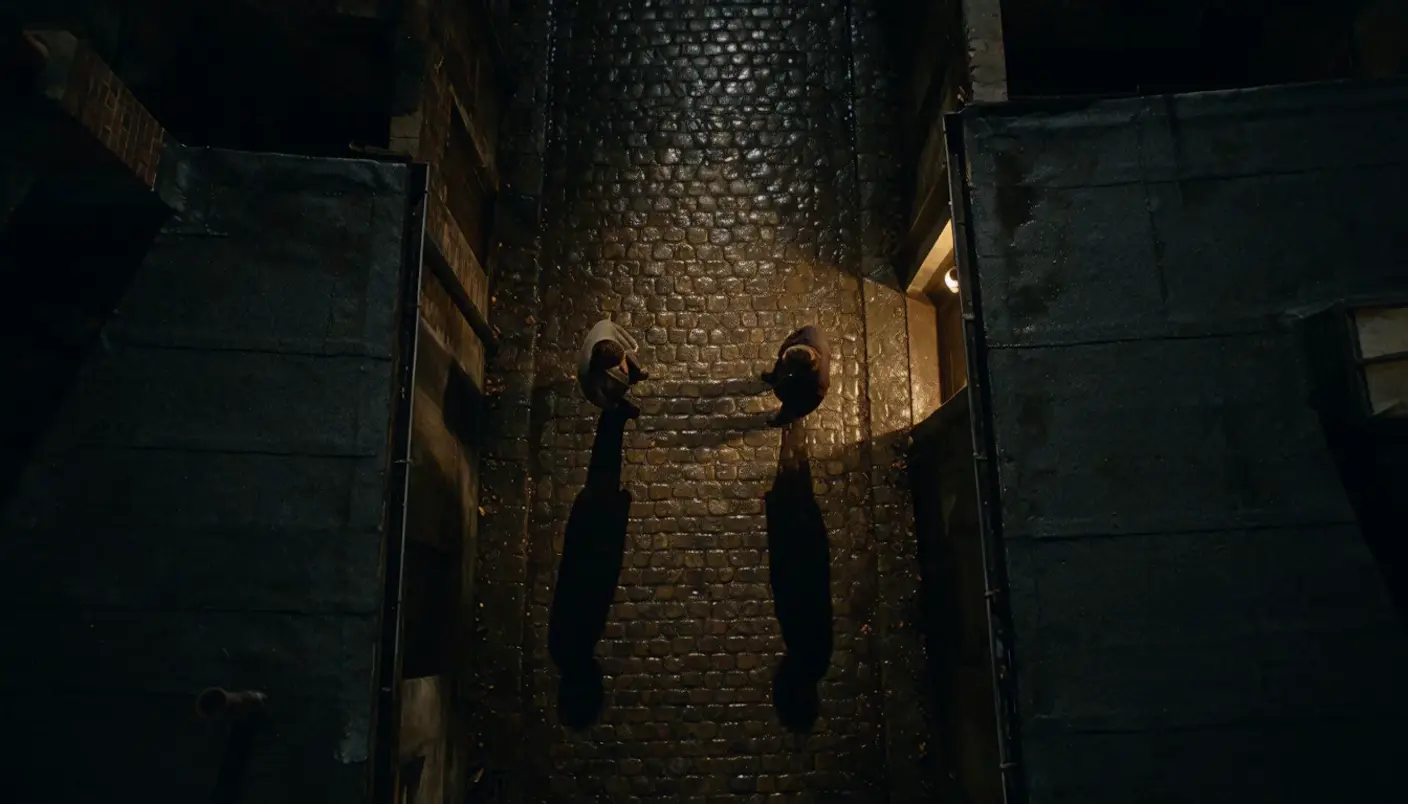
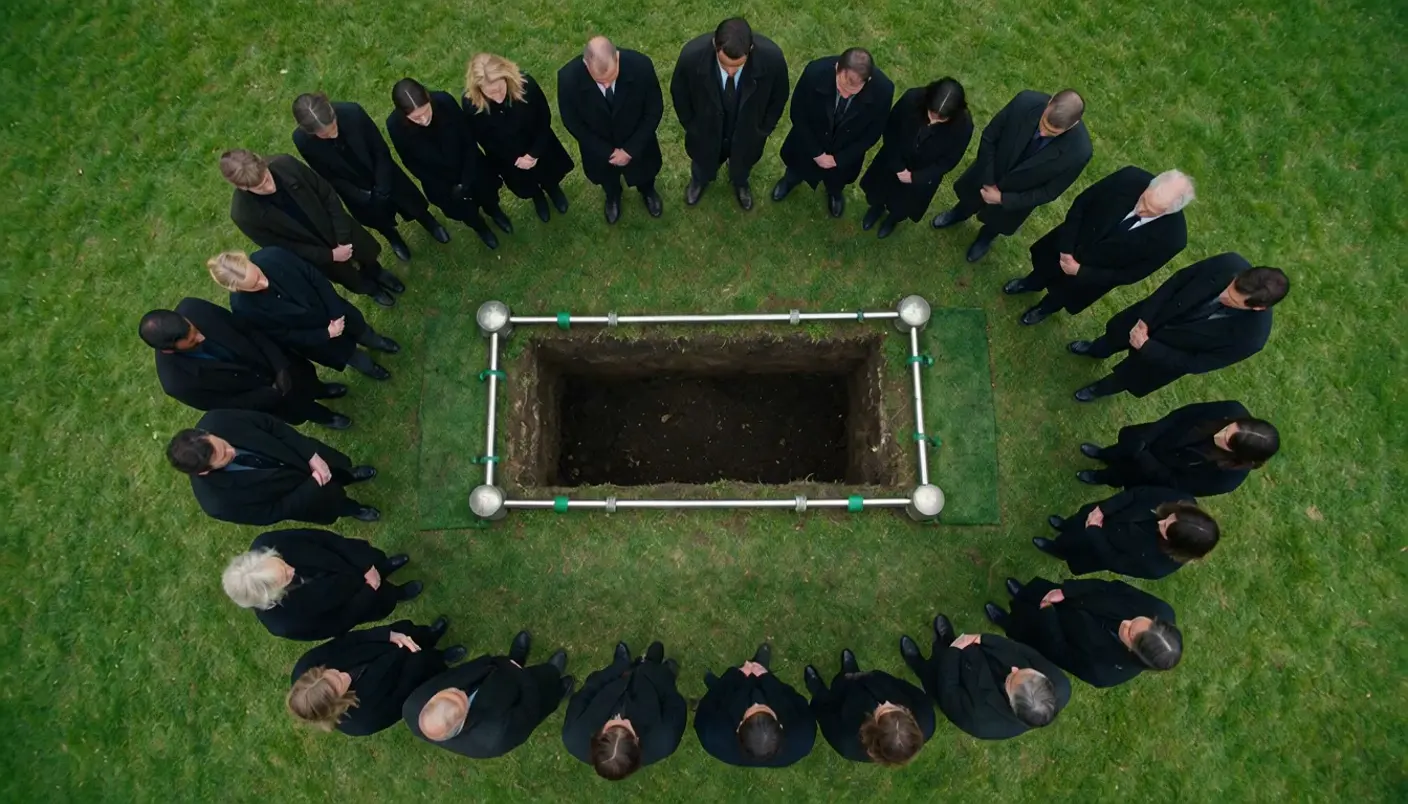
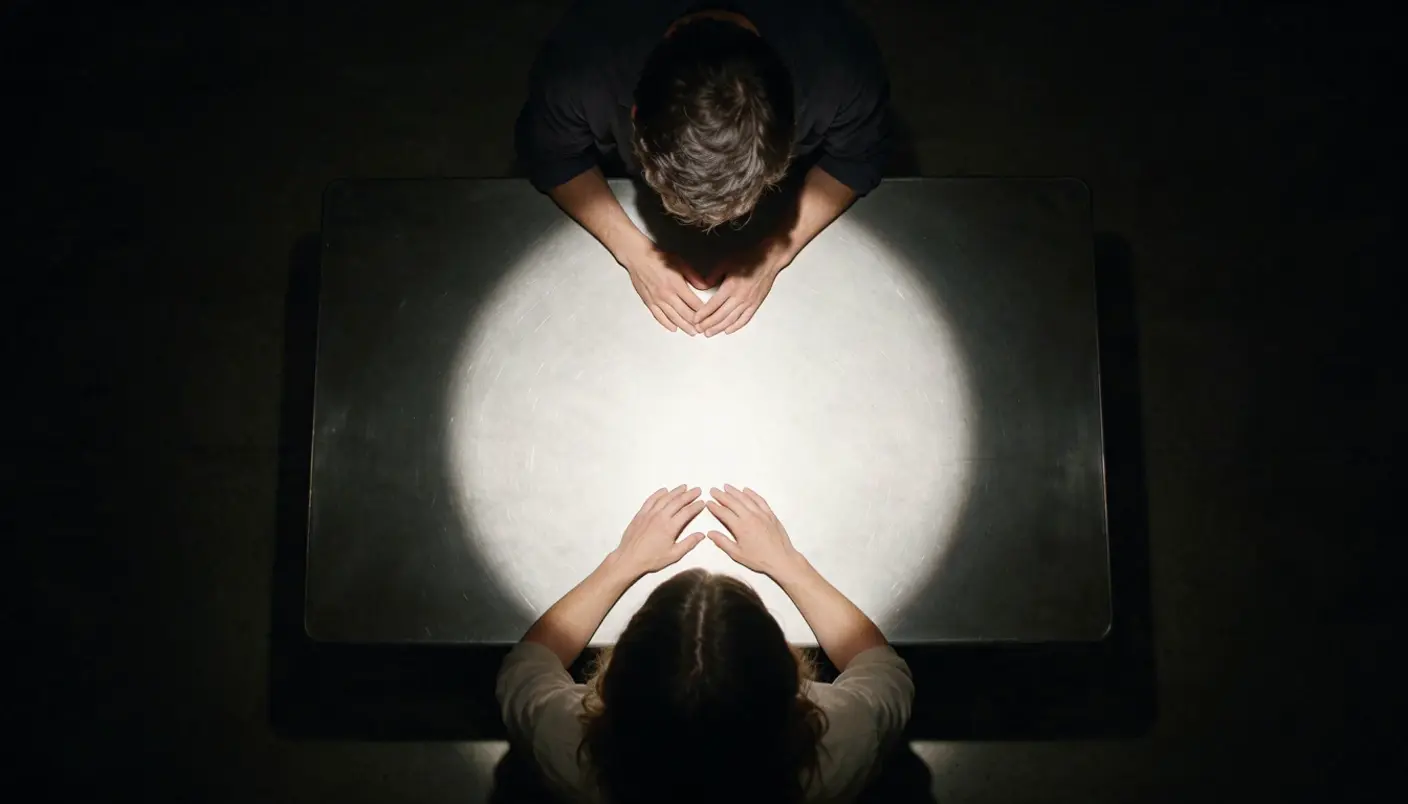
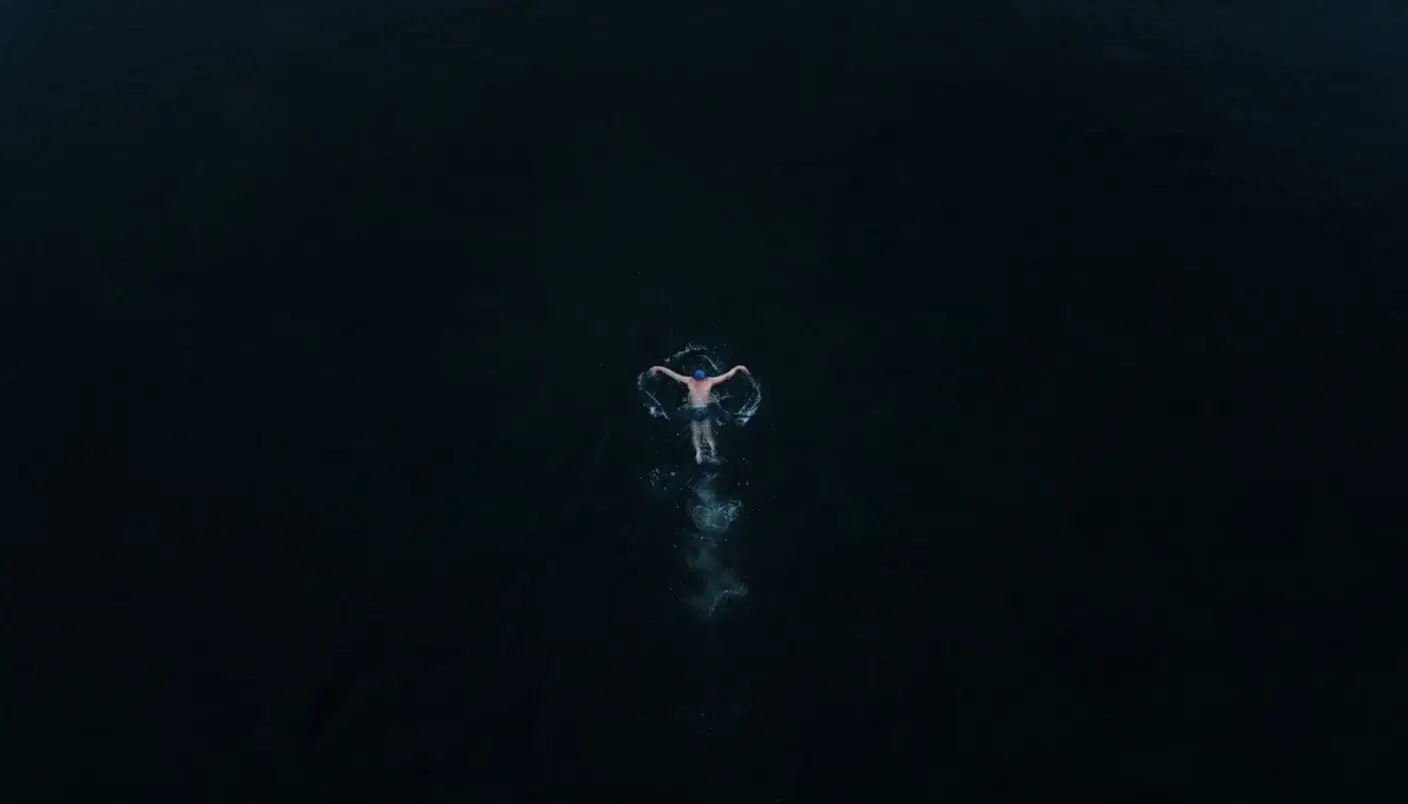
When to use a god's eye view shot
Handing the audience omniscience
From directly above, the viewer sees the whole arrangement while the characters see only each other. That gap is the point of the angle.
Signalling fate
A locked vertical frame makes events feel arranged rather than chosen, which is why it lands on deaths, reckonings, and turning points.
The look of surveillance
Straight down is the angle of a camera nobody knows about. Use it when the scene should feel monitored, catalogued, or judged.
Pulling away at the end
Rise into a god’s eye view to close a sequence, trading intimacy for cold distance as the scene shrinks below.
Related camera angles
Make God's eye view shot in three steps
- 01
Describe your image
Describe the God's eye view shot you want, in plain words.
- 02
Generate the image
Morphic generates a clean, ready-to-publish image on your canvas in seconds.
- 03
Refine and share
Tweak the prompt, regenerate variations, then download or share the frame.

Cinematic storyboard
Share a scene description with character references. Get a full storyboard with shot angles and mood.
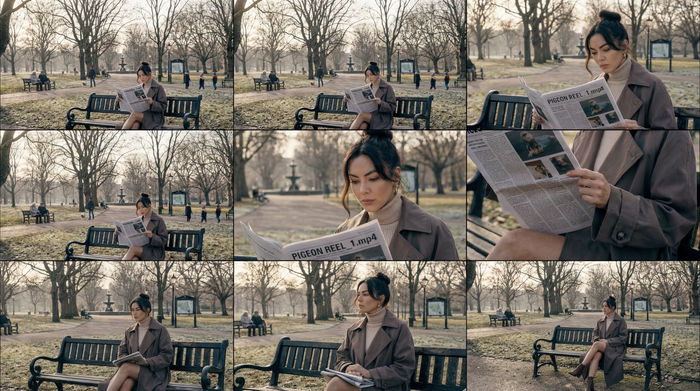
3x3 storyboard
Feed in a single image. Get 9 cinematic beats laid out as a 3x3 storyboard grid.
Cinematic scene
One image to a 9-scene cinematic video.
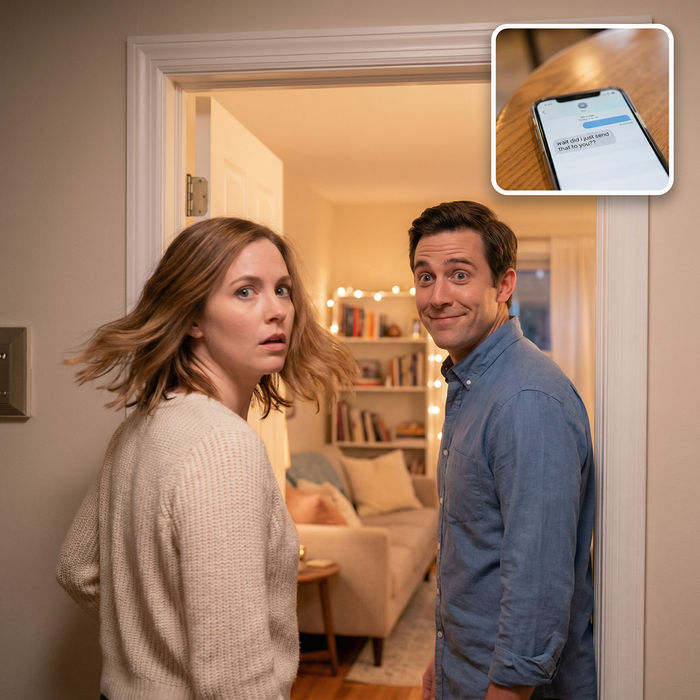
Messages to cinematic scene
Dramatize any text conversation into a cinematic multi-shot video.
Time-freeze effect
Cinematic time-freeze short film for any scene
Put yourself in a movie
Drop in a photo of yourself. Get a 12-second cinematic movie with animation and a matched soundtrack.
You might also like
Overhead shot
An overhead shot looks straight down to flatten a scene into a graphic plane. See when to use it, how it differs from a high angle, and generate one in Morphic.
Drone shot
A drone shot flies the camera for a sweeping aerial view. See when to use one, the classic moves, and generate aerial footage in Morphic.
Wide shot
A wide shot places the subject inside their surroundings. See how it differs from a long shot, when to use each, and generate one in Morphic.
Worm's eye view shot
A worm's eye view shot looks straight up from ground level so everything towers. See how it compares to a low angle, when to use it, and generate one in Morphic.
Simple pricing
Get started for free today, with the option to upgrade or cancel anytime.
Basic
2400 monthly credits
1 user only
All models
Workflows
Standard
3625 monthly credits
1 user only
All models
Workflows
Pro
6350 shared monthly credits
1 user
All models
Workflows
Max
24650 shared monthly credits
1 user
All models
Workflows
Enterprise
For higher limits
Custom
pricing and billing terms
Free
For playing around
$0
forever free