Reverse shot
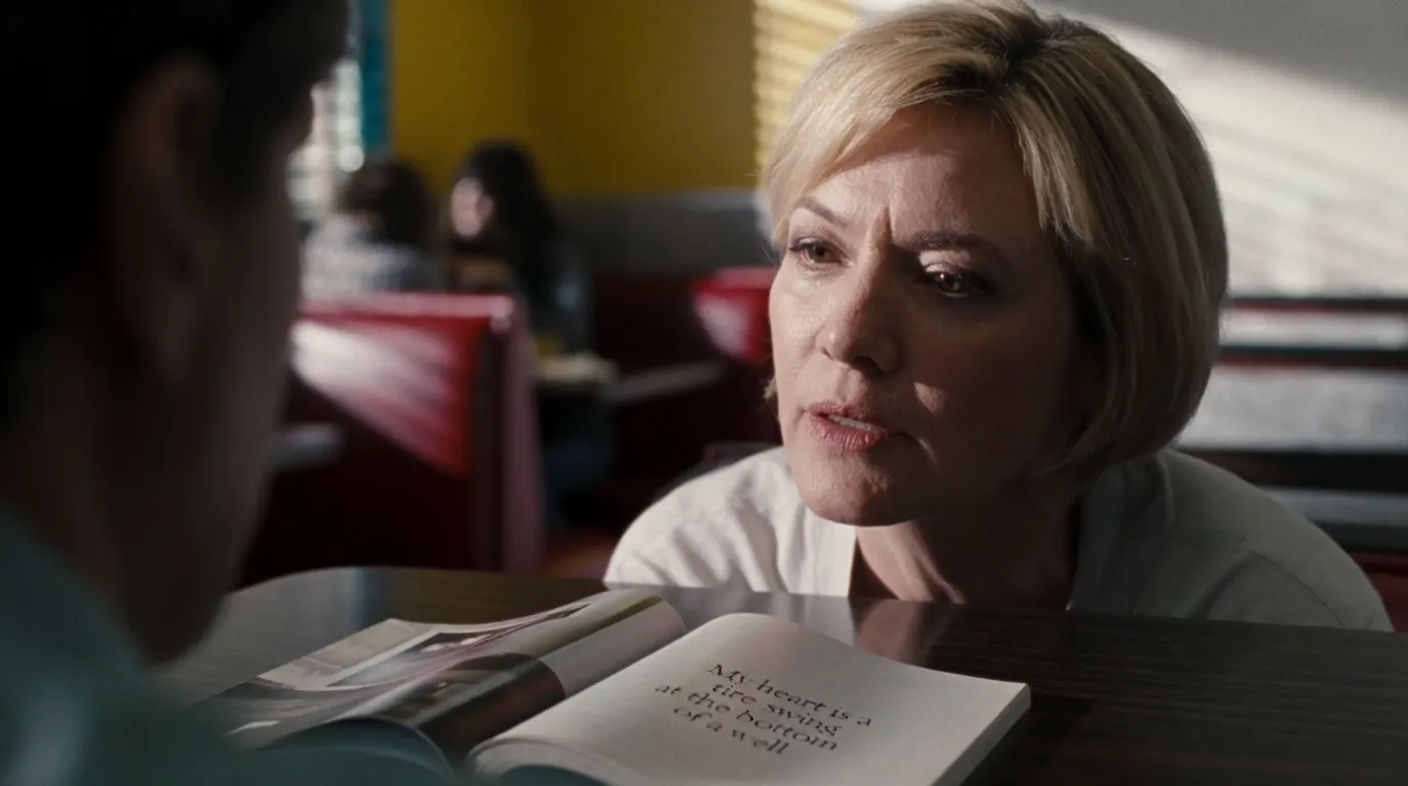
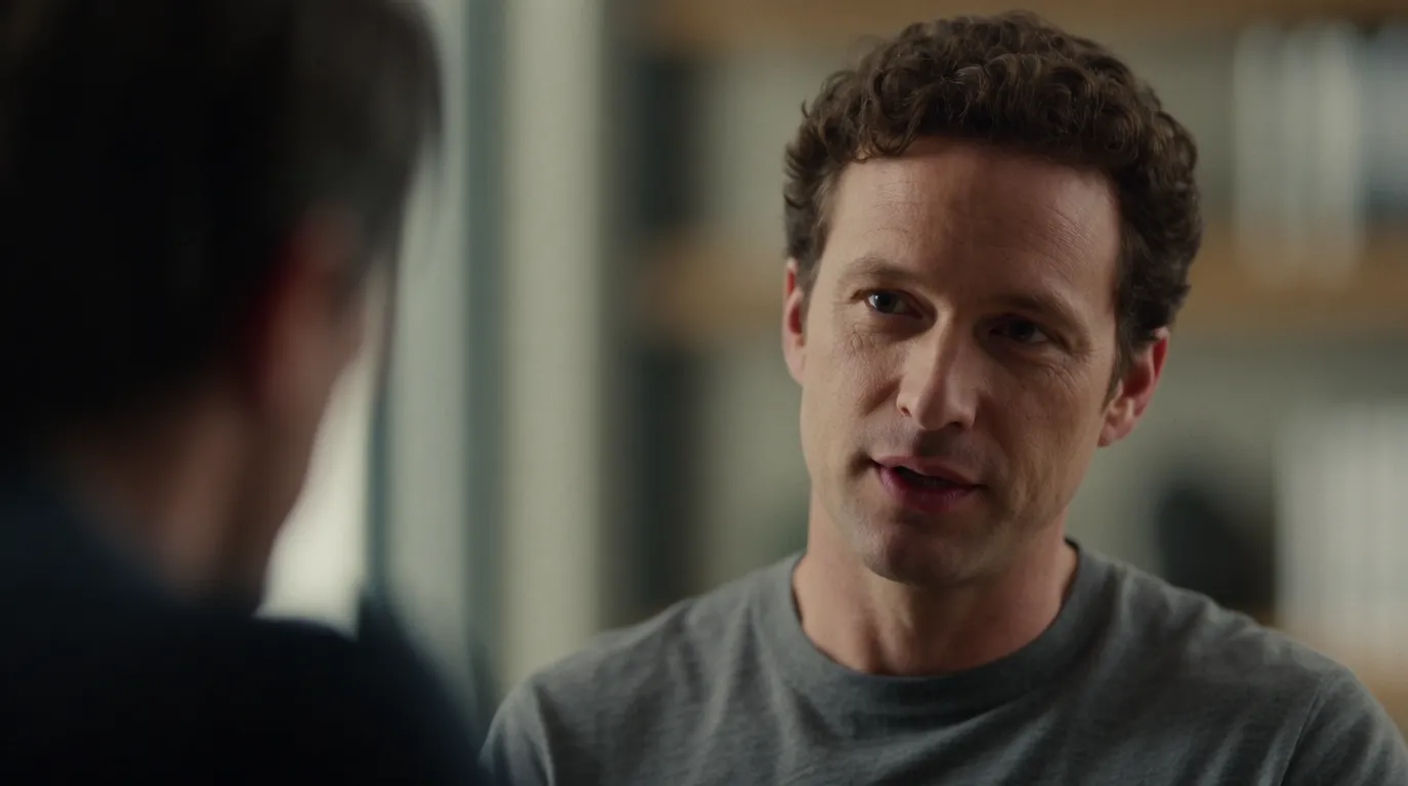
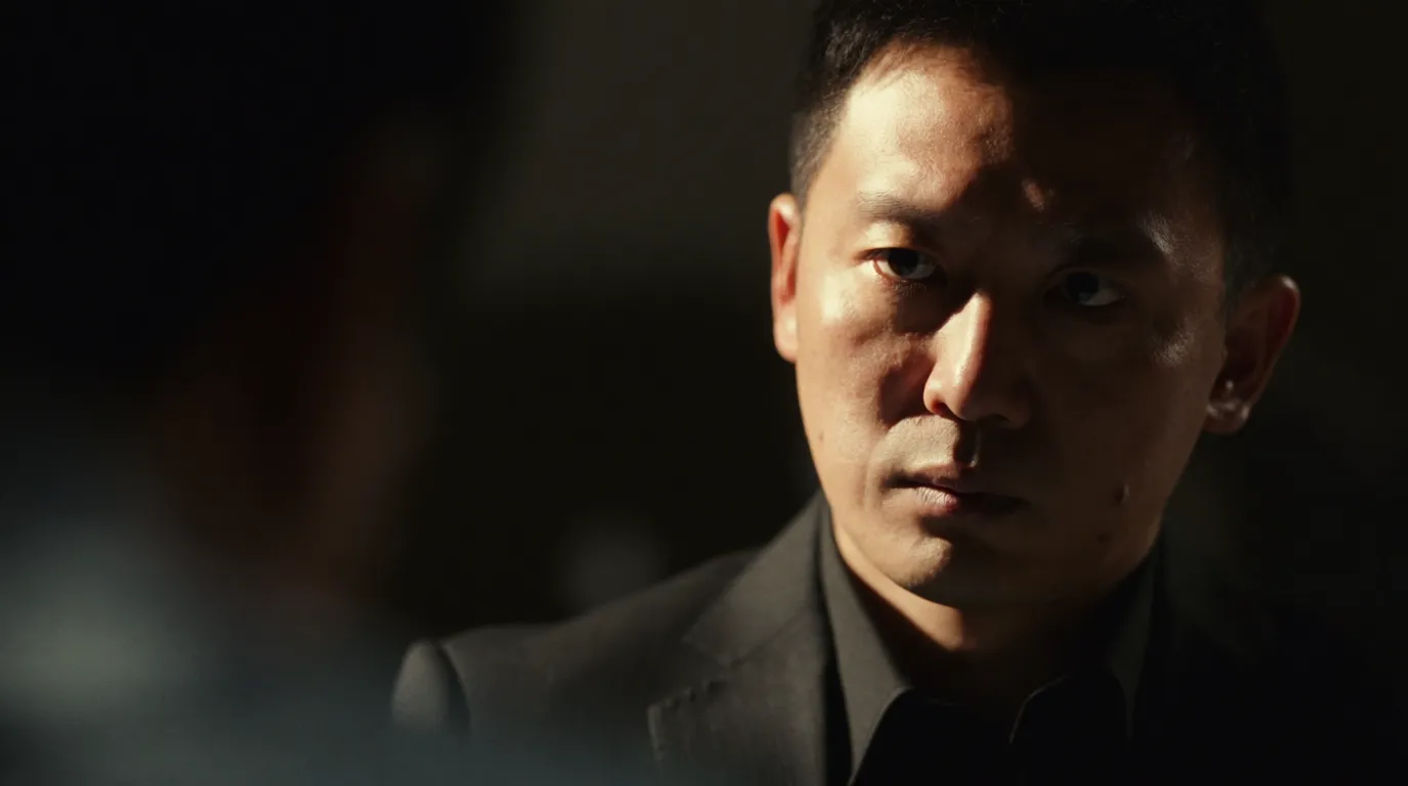
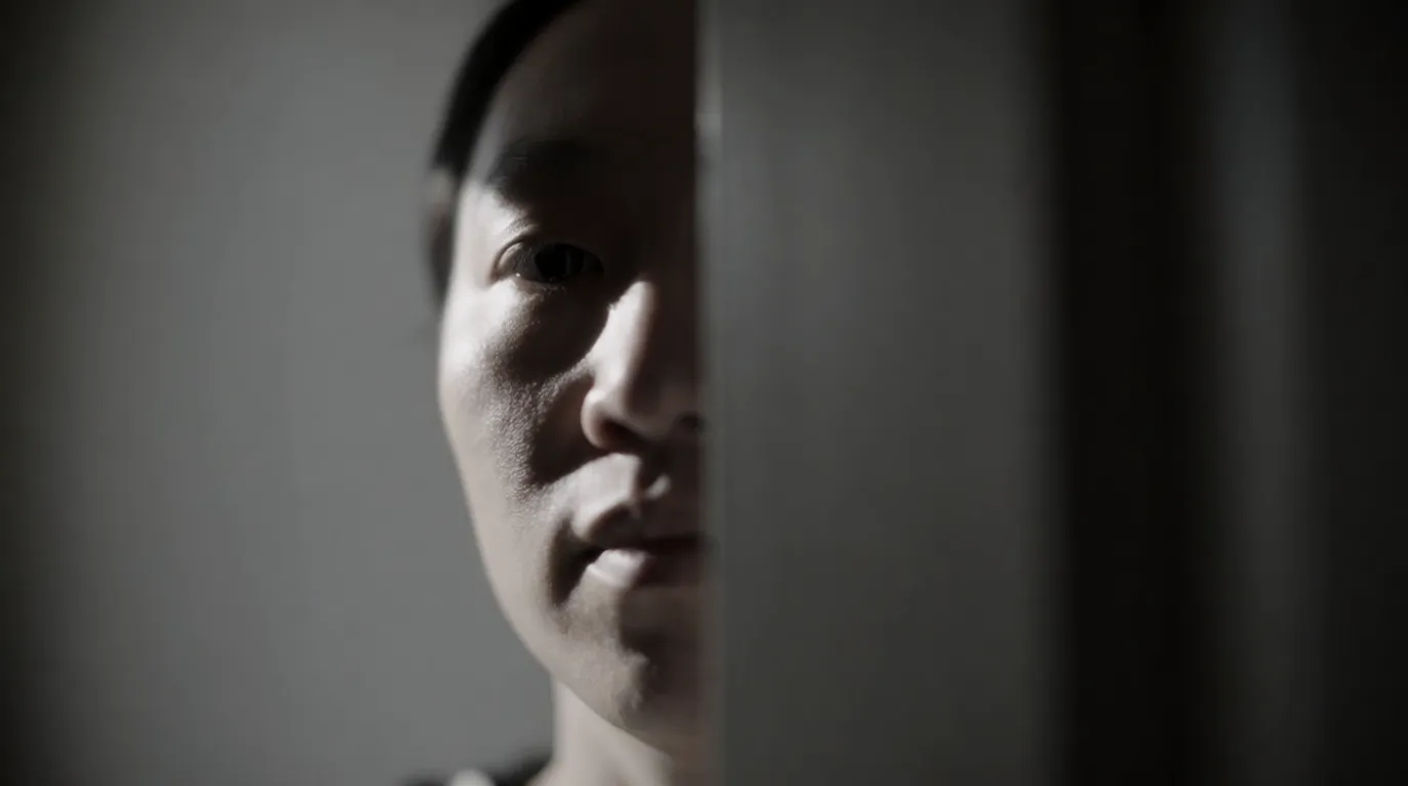
A reverse shot flips the camera to the opposite angle, most often to the other person in a conversation, so a scene cuts between the speaker and the listener. Paired up, the two make the shot reverse shot that carries most dialogue. Generate the frames in Morphic, then animate them with Image to Video.
Reverse shots you can generate
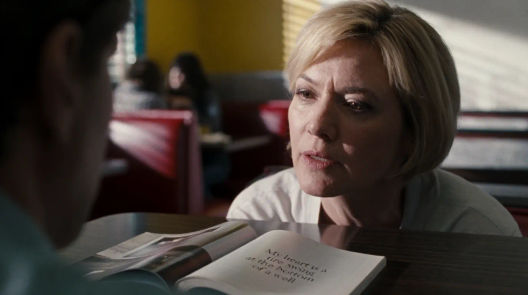
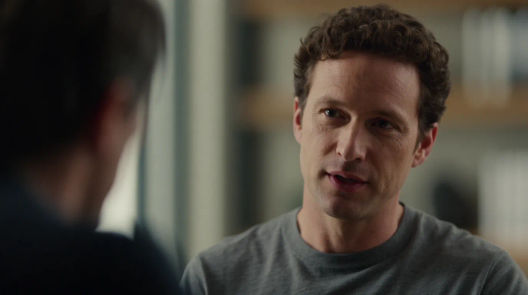
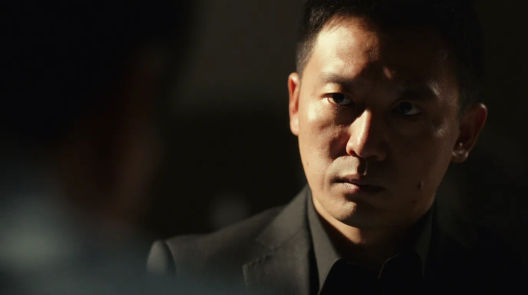
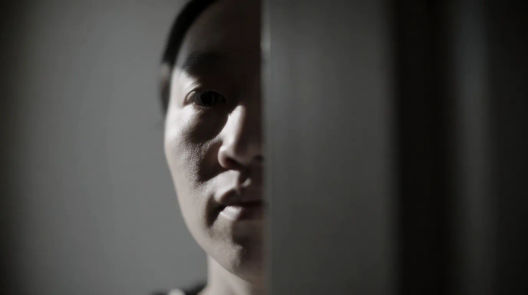
When to use a reverse shot
Dialogue coverage
Cutting to the reverse puts us with the listener, so a conversation plays as a back-and-forth rather than a monologue.
Landing a reply
The reverse shot catches the response, letting the audience read an answer on a face before it is spoken.
Power and eyelines
Matched eyelines across the reverse tell us who is looking at whom, and the angles can tilt the balance of power.
Interrogations and confrontations
The tight back-and-forth of shot and reverse is the natural rhythm for a face-off across a table.
Related cinematic techniques
Make Reverse shot in three steps
- 01
Describe your image
Describe the Reverse shot you want, in plain words.
- 02
Generate the image
Morphic generates a clean, ready-to-publish image on your canvas in seconds.
- 03
Refine and share
Tweak the prompt, regenerate variations, then download or share the frame.
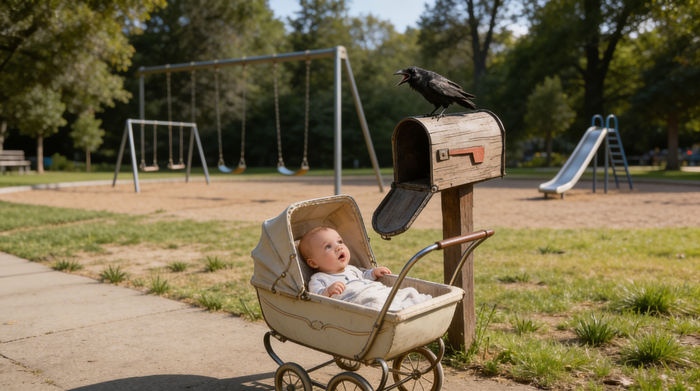
Cinematic storyboard
Share a scene description with character references. Get a full storyboard with shot angles and mood.
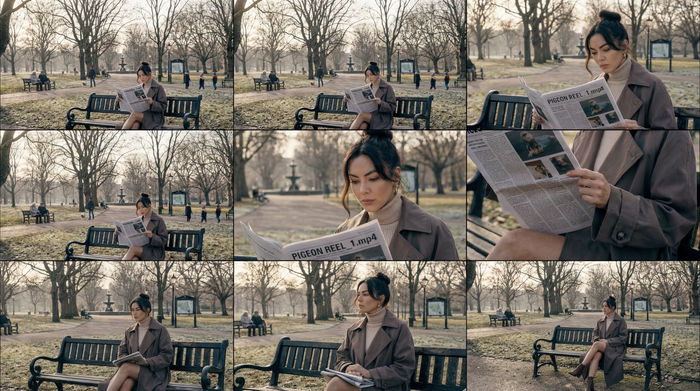
3x3 storyboard
Feed in a single image. Get 9 cinematic beats laid out as a 3x3 storyboard grid.
Cinematic scene
One image to a 9-scene cinematic video.
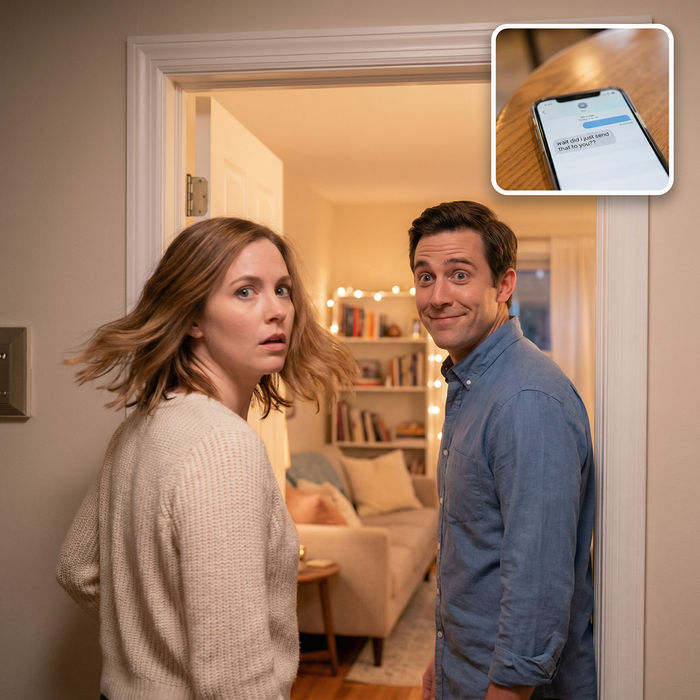
Messages to cinematic scene
Dramatize any text conversation into a cinematic multi-shot video.
Time-freeze effect
Cinematic time-freeze short film for any scene
Put yourself in a movie
Drop in a photo of yourself. Get a 12-second cinematic movie with animation and a matched soundtrack.
You might also like
Over-the-shoulder shot
An over-the-shoulder shot frames one person past another's shoulder to anchor a conversation. See when to use it and build one from a prompt in Morphic.
Rack focus shot
A rack focus shot pulls focus between near and far to steer the eye without cutting. See how it works, when to use it, and animate a focus pull in Morphic.
Golden hour shot
A golden hour shot uses the low, warm sun for soft, flattering light. See how to get the look and generate one from a prompt in Morphic.
Hero shot
A hero shot frames a product or character at its most powerful and impressive. See what makes one work, when to use it, and generate a hero frame in Morphic.
Simple pricing
Get started for free today, with the option to upgrade or cancel anytime.
Basic
2400 monthly credits
1 user only
All models
Workflows
Standard
3625 monthly credits
1 user only
All models
Workflows
Pro
6350 shared monthly credits
1 user
All models
Workflows
Max
24650 shared monthly credits
1 user
All models
Workflows
Enterprise
For higher limits
Custom
pricing and billing terms
Free
For playing around
$0
forever free