Confirm an action in a product
A soft synthetic tick acknowledges a tap without commenting on it, and it survives being heard hundreds of times a day.
Edit prompt
A mouse button, a mechanical key, a light switch, a camera shutter, and the synthetic tick a product makes. Each click says which object it is.


A dry plastic tick with a tiny hollow ring. The ring is the shell of the mouse, and without it the click reads as anything at all.

A firm tactile click with a plastic bottom-out after it. Two events, and the second is what makes it a keyboard.

A hard plastic snap with a spring behind it. Louder and more final than any interface click, and it changes a room.

A fast mechanical slap with a mirror clack. Two moving parts, which is why a synthetic shutter never quite convinces.
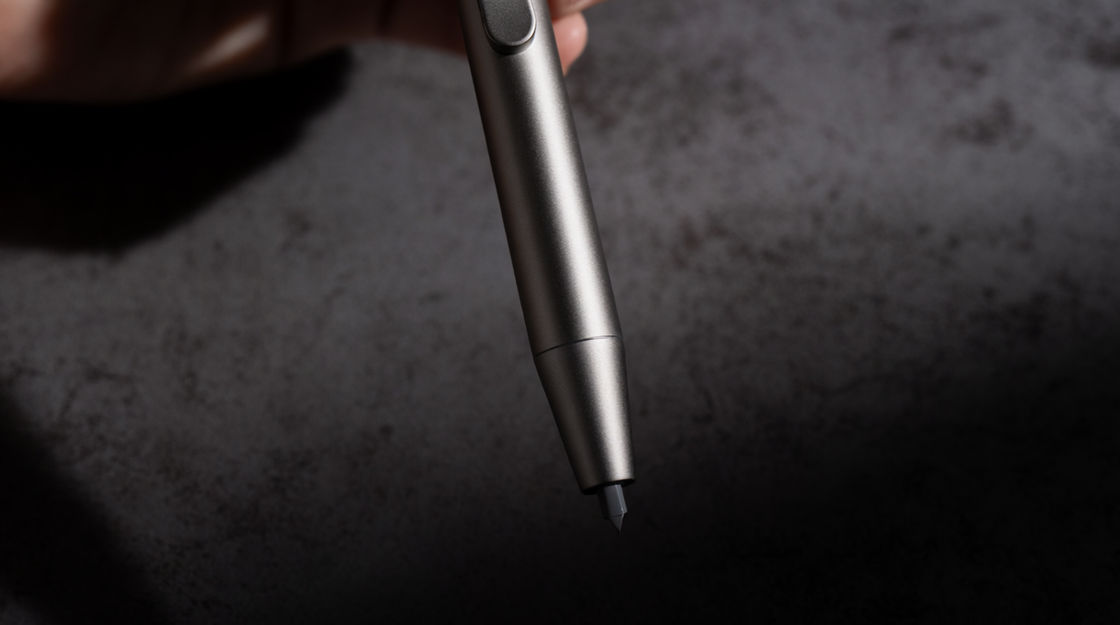
A small sharp double tick from a ballpoint. Idle and human, and it puts a person in a room doing nothing much.

A clean generated tick with no mechanism behind it. Built to fire hundreds of times without becoming irritating.
Pick a starting point, edit anything you like, then generate it in Morphic.
A soft synthetic tick acknowledges a tap without commenting on it, and it survives being heard hundreds of times a day.
Edit promptA pen clicked repeatedly puts a person in a room with nothing to do, and it says more about them than dialogue would.
Edit prompt
A light switch is loud and final, so it tells the audience the lights just went on or off in a shot that never pans.
Edit prompt
A shutter with a mirror clack is unmistakable, so it puts a camera in a scene without any of it in frame.
Edit prompt
Correct sound effect
Morphic builds correct sound effects from a text prompt. Get short, clean cues sized for product UI, apps, and on screen moments.
Counter sound effects
Generate counter sound effects with AI on Morphic. Describe the sound, pick a variation, and download MP3 or WAV for your video, game or podcast.
Cyber sound effects
Generate cyber sound effects with AI on Morphic. Describe the sound, pick a variation, and download MP3 or WAV for your video, game or podcast.
Data sound effects
Generate data sound effects with AI on Morphic. Describe the sound, pick a variation, and download MP3 or WAV for your video, game or podcast.
Get started for free today, with the option to upgrade or cancel anytime.
Basic
2400 monthly credits
1 user only
All models
Workflows
Standard
3625 monthly credits
1 user only
All models
Workflows
Pro
6350 shared monthly credits
1 user
All models
Workflows
Max
24650 shared monthly credits
1 user
All models
Workflows
Enterprise
For higher limits
Custom
pricing and billing terms

Free
For playing around
$0
forever free