Cover a word on the exact frame
A censor tone has hard edges at both ends, so it starts and stops precisely where you place it with nothing bleeding either side.
Edit prompt
The censor tone that covers a word, plus the short bleeps a machine makes. Describe which one you need and Morphic generates it clean.


A flat 1kHz sine with hard edges at both ends. That pitch is the broadcast standard, which is why it reads as censorship rather than as a beep.

Thin, synthetic, and over immediately. It reads as a machine acknowledging something rather than as a word being covered.

Two identical tones with a small gap. The repeat reads as confirmation, where a single tone reads as a simple acknowledgement.

The same tone held far longer than one word needs. The length is the joke, because it implies a great deal was cut.

Three tones stepping upward. Rising pitch reads as progress or success, so it suits a machine finishing rather than blocking something.

Low, flat, and blunt with no brightness. Falling or dull tones read as refusal, which is the opposite of the rising version.
Pick a starting point, edit anything you like, then generate it in Morphic.
A censor tone has hard edges at both ends, so it starts and stops precisely where you place it with nothing bleeding either side.
Edit promptHolding the tone far past one word is the joke on its own. It works over animation and talking-head edits alike.
Edit prompt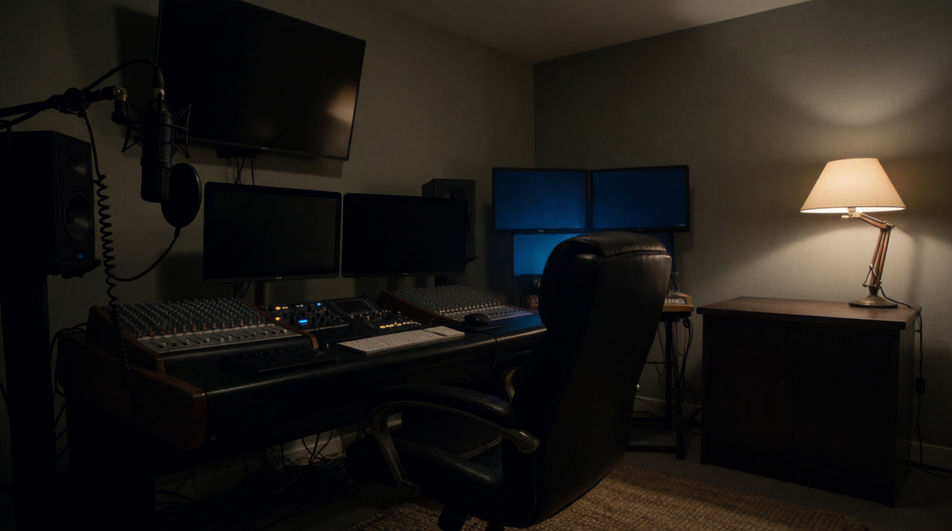
Rising bleeps read as accepted and a dull low one as refused. Keeping the same voice for both makes the meaning obvious immediately.
Edit prompt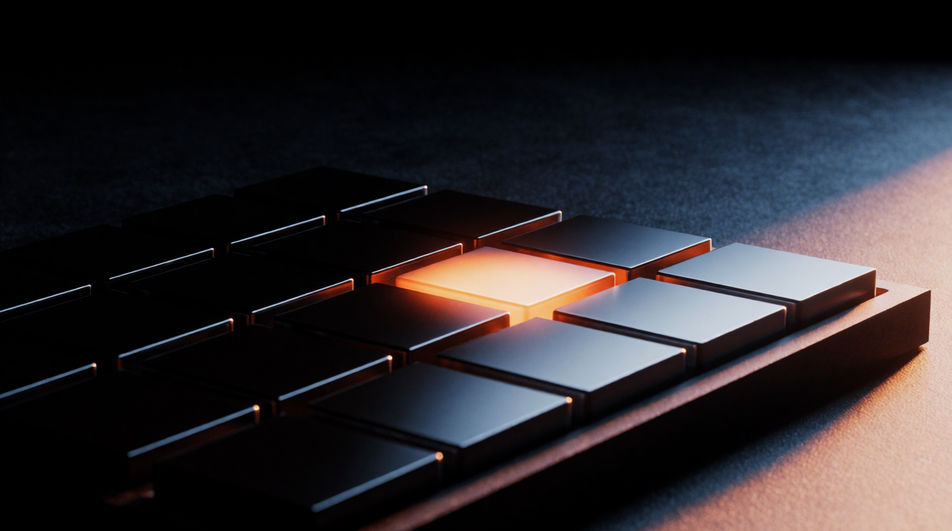
An occasional bleep from out of frame tells the audience there is a machine running nearby, in a shot that never shows one.
Edit prompt
Texting sound effects
Generate texting sound effects with AI on Morphic. Describe the sound, pick a variation, and download MP3 or WAV for your video, game or podcast.
Tone sound effects
Generate tone sound effects with AI on Morphic. Describe the sound, pick a variation, and download MP3 or WAV for your video, game or podcast.
Touch sound effects
Generate touch sound effects with AI on Morphic. Describe the sound, pick a variation, and download MP3 or WAV for your video, game or podcast.
Typewriter sound effect
Generate typewriter sound effects with Morphic. Single key strikes, running typing, the carriage bell and the ratchet of paper feeding.
Get started for free today, with the option to upgrade or cancel anytime.
Basic
2400 monthly credits
1 user only
All models
Workflows
Standard
3625 monthly credits
1 user only
All models
Workflows
Pro
6350 shared monthly credits
1 user
All models
Workflows
Max
24650 shared monthly credits
1 user
All models
Workflows
Enterprise
For higher limits
Custom
pricing and billing terms

Free
For playing around
$0
forever free