Cut to a signal arriving in one click
A hard key-up click and beep mark the exact frame a channel opens. It punctuates a scene in a game, an animated series or a drama without a word being spoken.
Edit prompt
The hardware, not the broadcast: a dial swept across a band, clicks under a knob, a handset keyed up, a set warming through its speaker. Describe the one your scene needs.
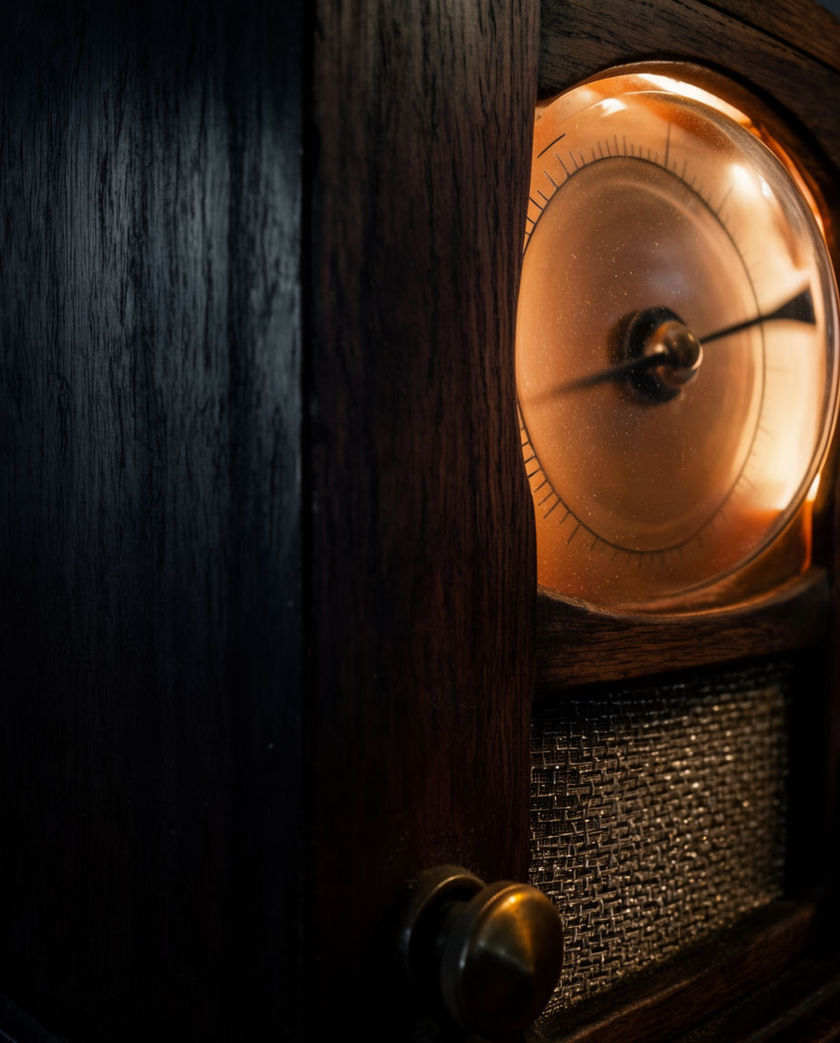
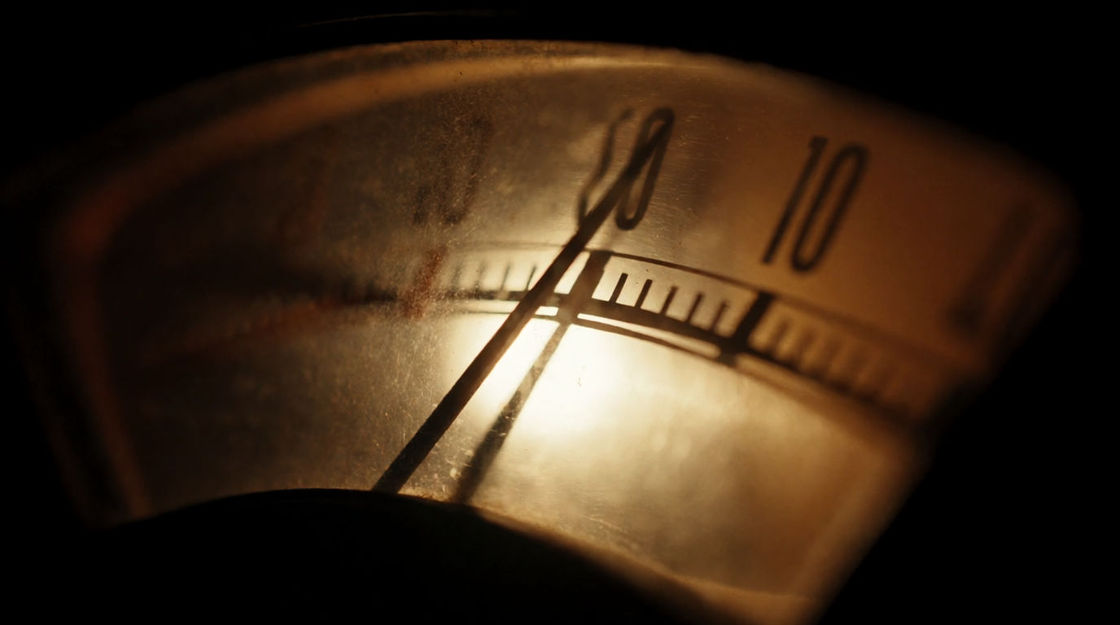
Thin whistling notes sliding past each other as the dial travels. The card most scenes want, because it is the one radio sound an audience recognises with no picture at all.
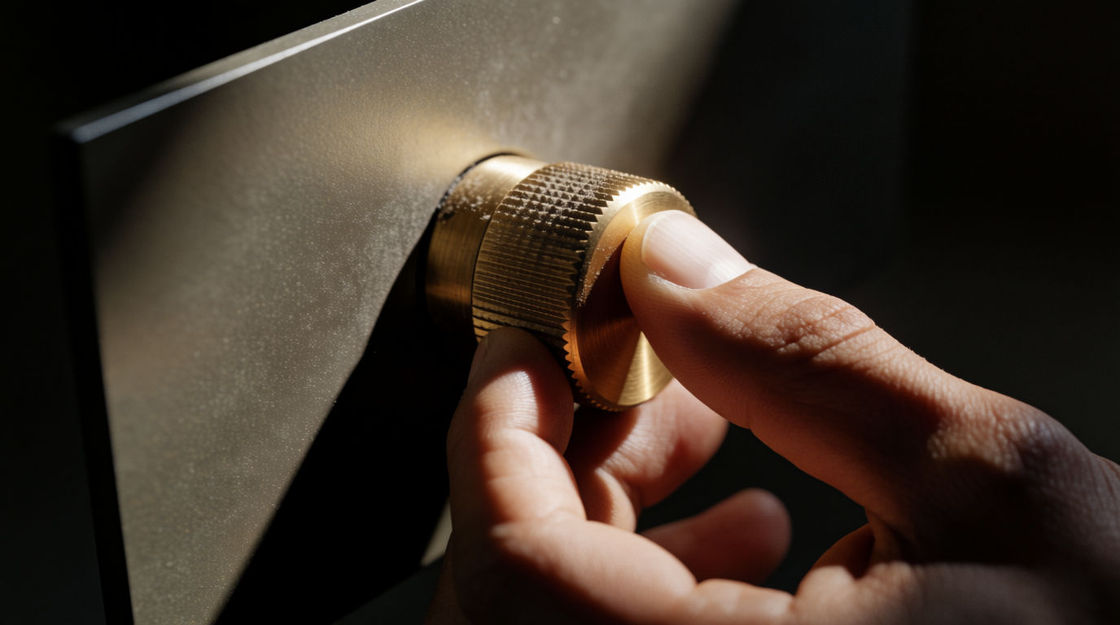
Small dry clicks with almost no tail on them, spaced unevenly the way a hand actually turns a knob. Use it when the shot is on the hand rather than on whatever the set is receiving.
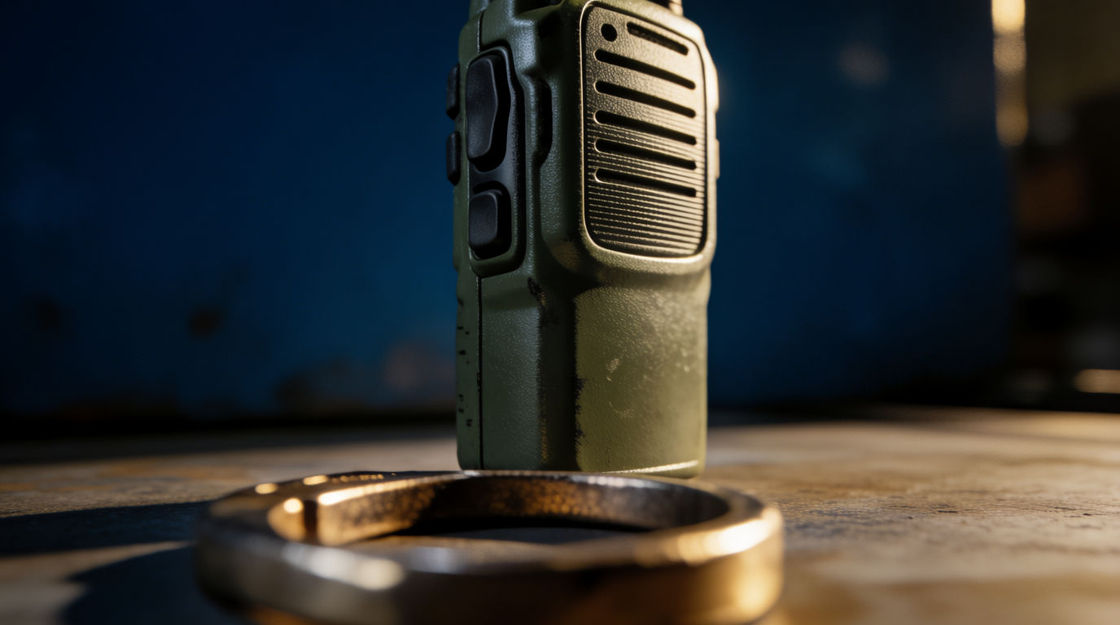
The click, the short rough burst and the beep that bracket a transmission. Put one at each end of a line and dialogue recorded anywhere starts sounding like it came down a channel.
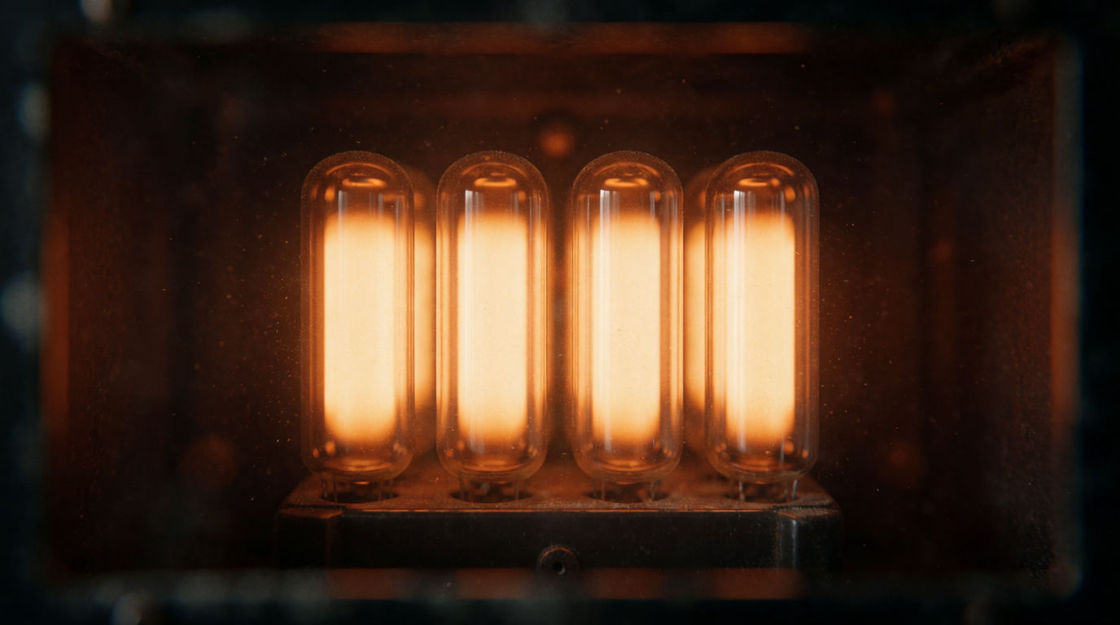
A soft thump through a paper cone and the steady hum that settles behind it. Older equipment takes a moment to come alive, and that moment is what dates the set for the audience.
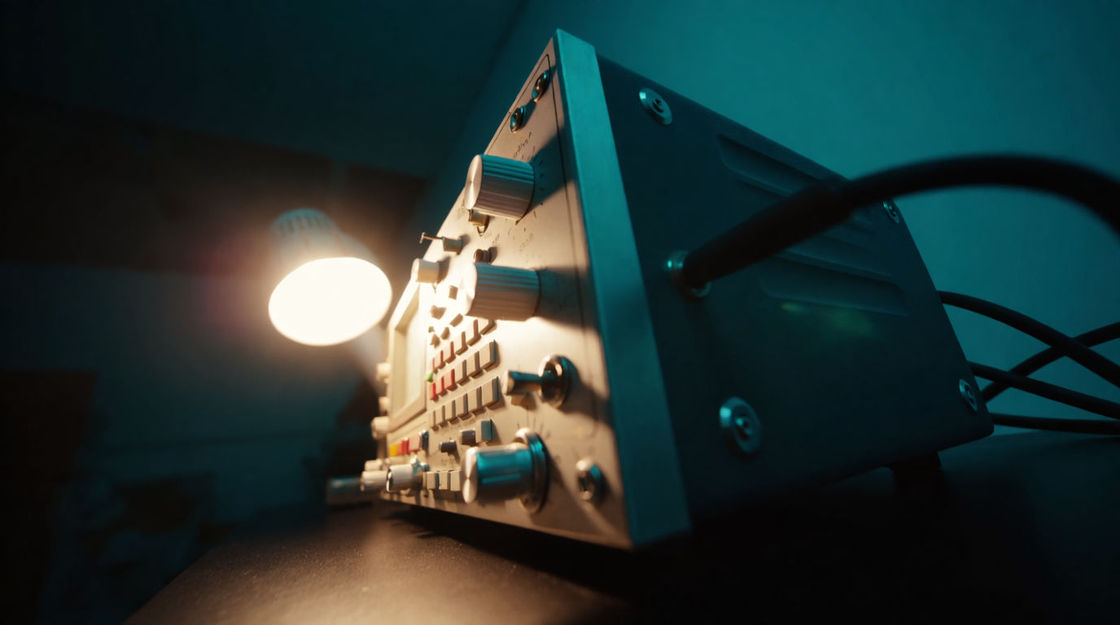
Short and long tones at one pitch with clean silences between them. It reads as a signal carrying information, which is why it works over a map, a console or a title card.

A tone rising and sinking under a slow warble with the high edge gone. Nothing here says how far away the transmitter is, and yet everybody hears that it is a long way off.
Pick a starting point, edit anything you like, then generate it in Morphic.
A hard key-up click and beep mark the exact frame a channel opens. It punctuates a scene in a game, an animated series or a drama without a word being spoken.
Edit promptA warm-up thump and steady hum keep a still shot from going dead, and they never argue with a voiceover. Ten seconds of it buys a whole scene transition.
Edit prompt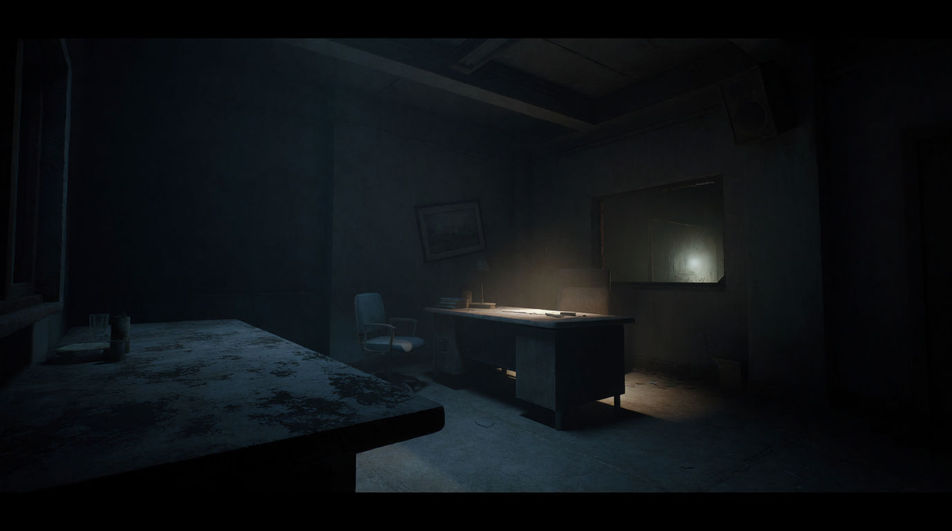
A drifting tone with the high edge gone puts hundreds of miles between two people. It sets isolation faster than a map insert, in a podcast drama as much as on screen.
Edit prompt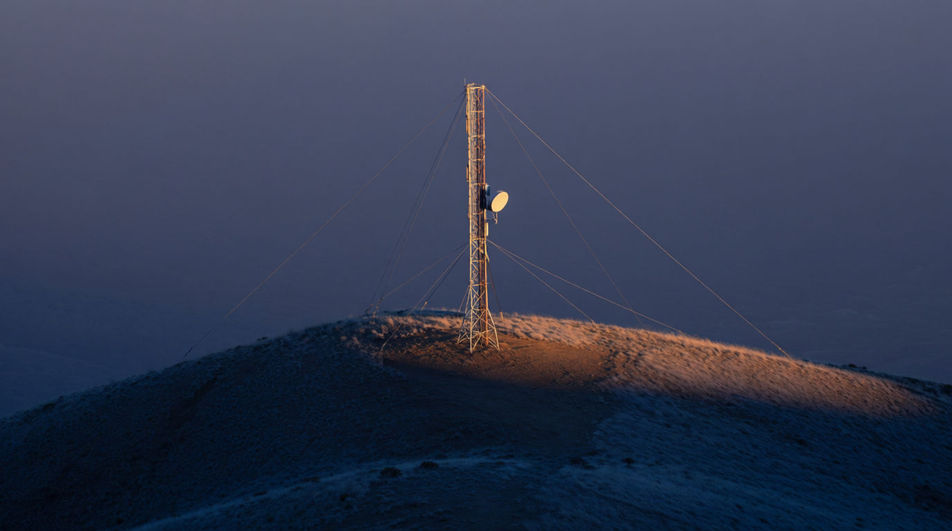
A sweep and a run of tone beeps imply somebody transmitting who never appears. One cue replaces a second location, a second actor and a cutaway.
Edit prompt
Camera flash sound effect
Generate camera flash sound effects with Morphic: the capacitor whine before the picture, the hard pop of the tube firing, and the recycle whine after it.
Camera shutter sound effect
Generate camera shutter sound effects with Morphic. Mirror slaps, burst frames, soft leaf blades and the synthetic click a phone plays.
Camera sound effects
Need a camera sound effect for an interface or an edit? Morphic generates crisp, short cues to your spec, from a focus motor to a flash pop.
Cash register sound effects
Cash register sound effects with the ka-ching, drawer slam, receipt chatter and till beeps that make a sale land the moment money changes hands.
Get started for free today, with the option to upgrade or cancel anytime.
Basic
2400 monthly credits
1 user only
All models
Workflows
Standard
3625 monthly credits
1 user only
All models
Workflows
Pro
6350 shared monthly credits
1 user
All models
Workflows
Max
24650 shared monthly credits
1 user
All models
Workflows
Enterprise
For higher limits
Custom
pricing and billing terms

Free
For playing around
$0
forever free