Mark the instant a train enters the shot
Land the close part of a pass by on the frame where the engine arrives. The same trick lands a train in a comic panel animation or a game cutscene just as cleanly.
Edit prompt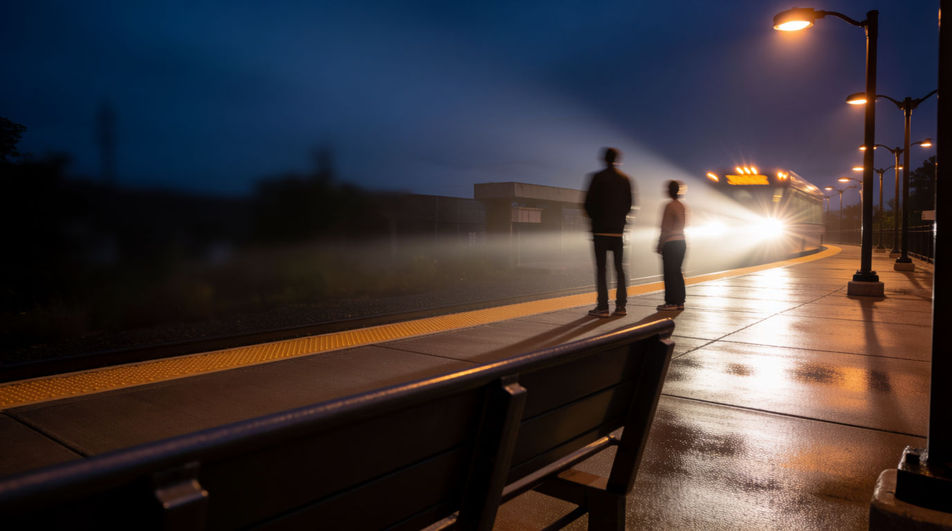
Steel on steel, from a steady rolling clatter to a full pass by. Say what the train is, how fast it is moving, and whether it is arriving or leaving, and the take is built around that.
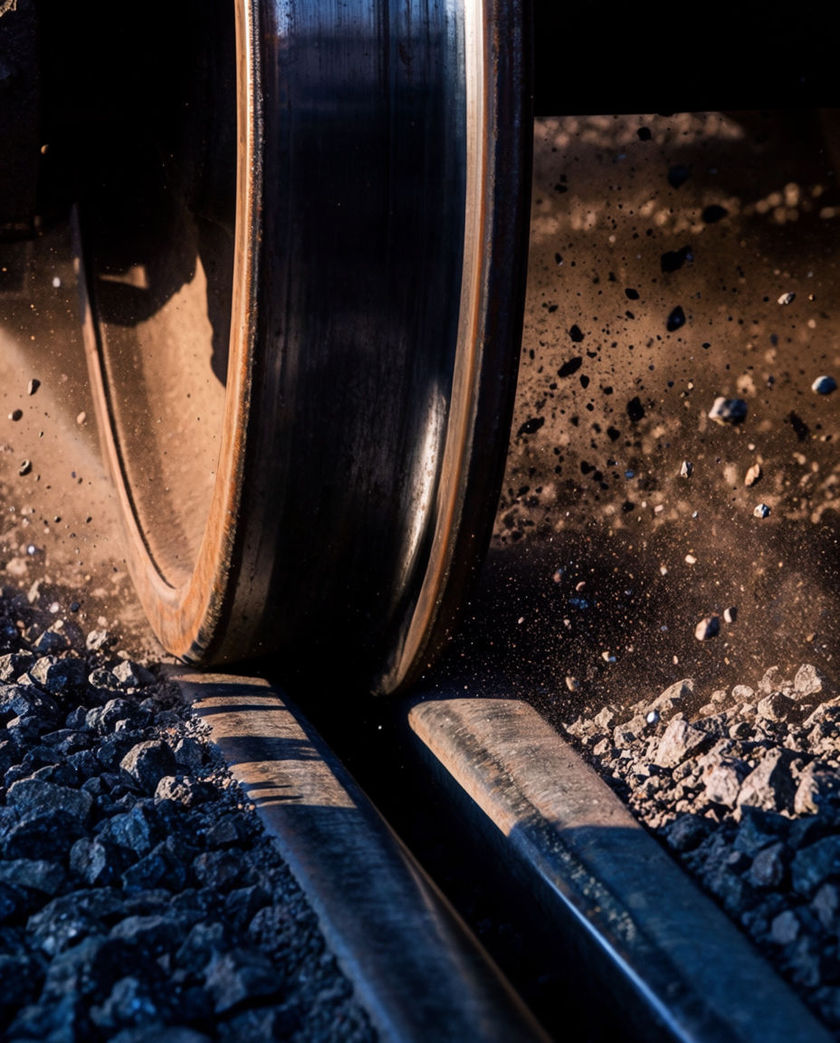
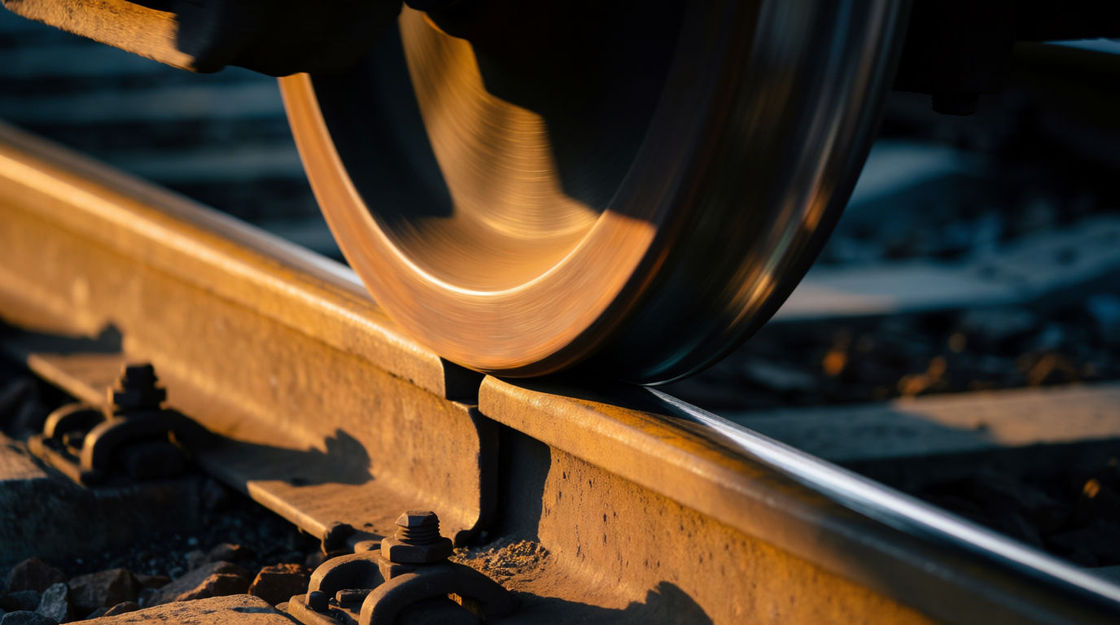
The steady clatter of wheels crossing rail joints at a constant speed. This is the take most scenes want, because it works under dialogue and can run for as long as the shot does.
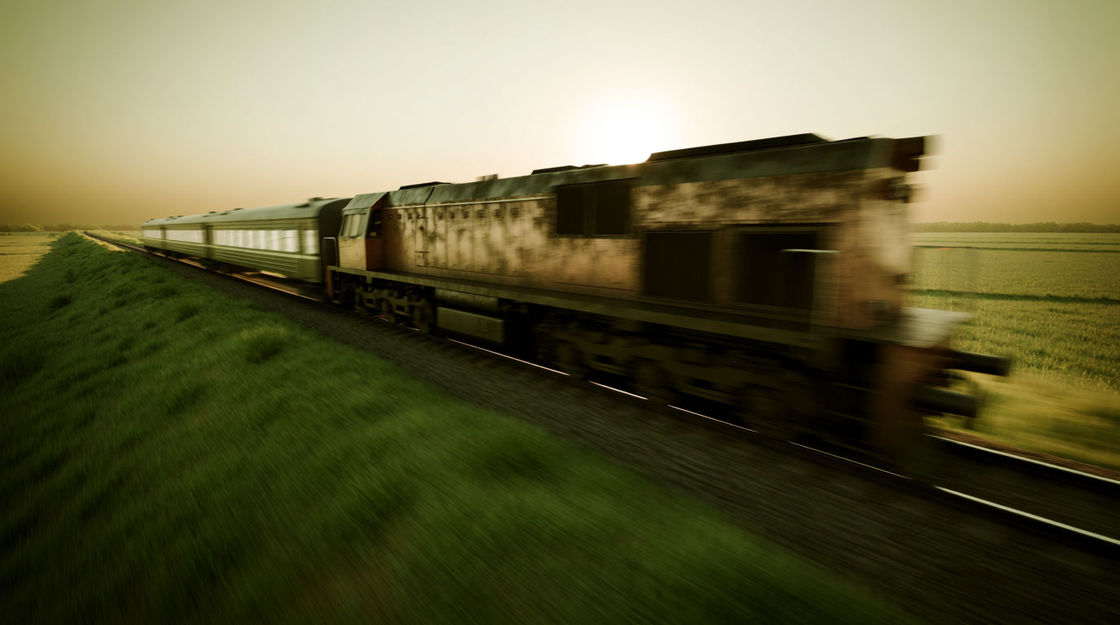
The whole move in one take: thin and dull, then close and wide, then thinning out again with the pitch falling as it goes. Cut the middle of it onto the frame the train fills.
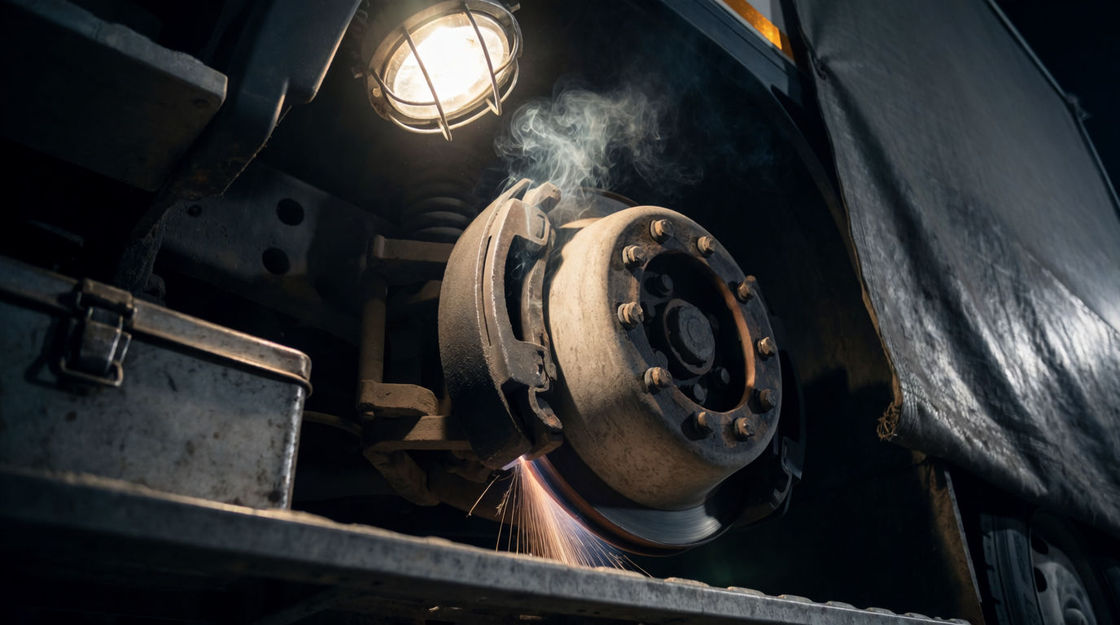
Metal dragging on metal, thin and wavering, over a clatter that is slowing underneath. It ends a movement rather than describing one, so it earns its place on an arrival.
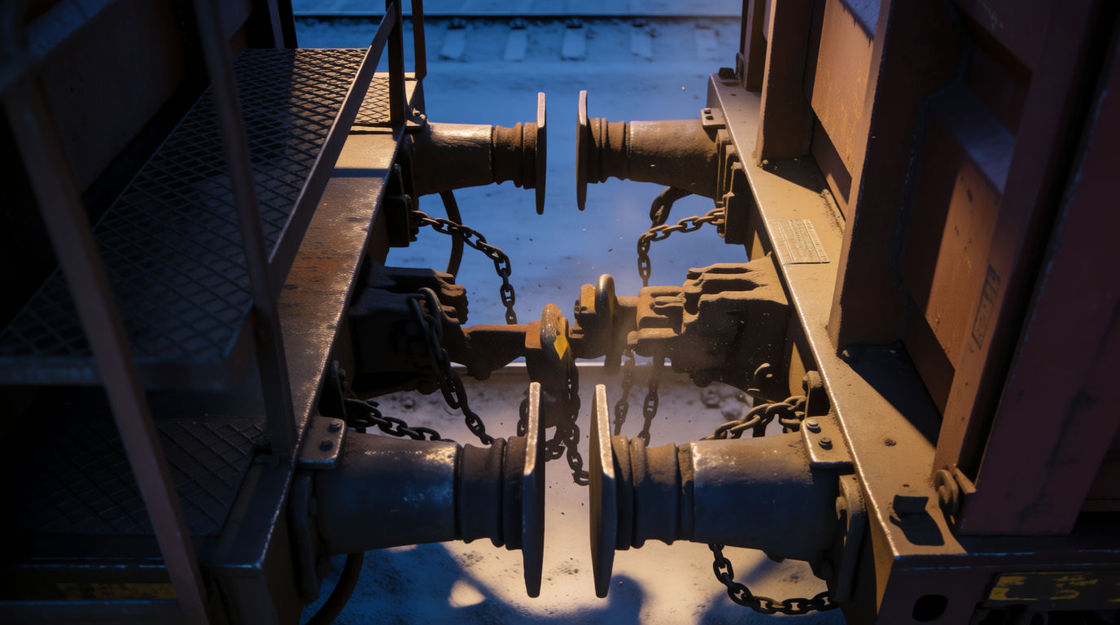
A run of hard clanks travelling down a line of wagons as the slack pulls out. It is the sound of a train about to move, which makes it a useful cue before anything on screen does.
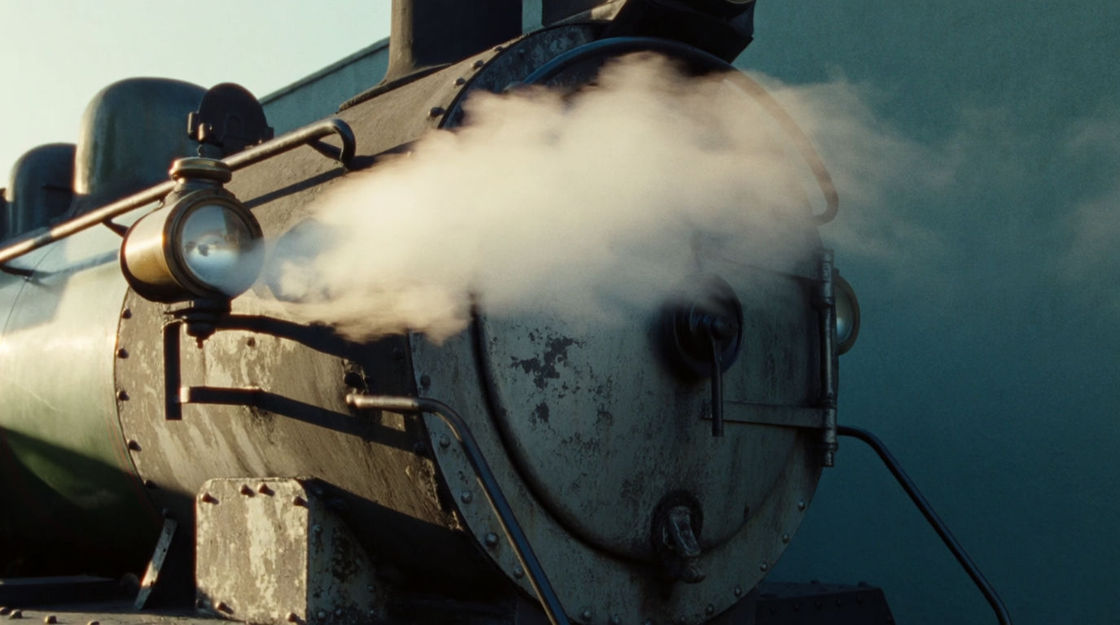
Hard hissing bursts from a large locomotive, evenly spaced and gradually quickening. The spacing alone tells an audience the period, which is why it dates a scene faster than any set dressing.
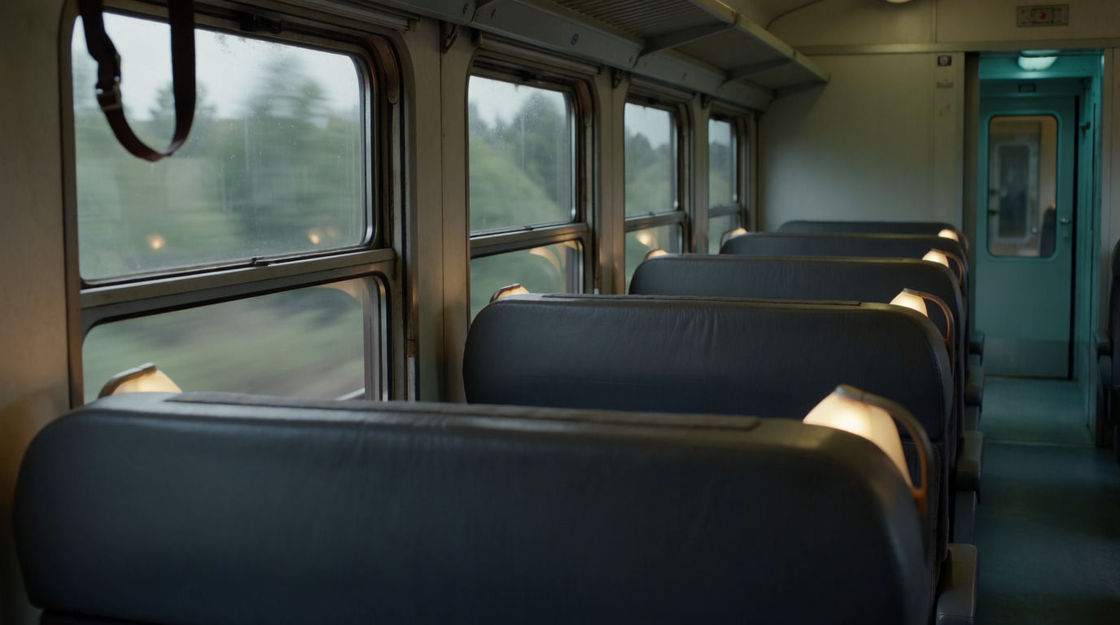
The same wheels heard through a body shell: dull, rhythmic, with a low rumble and light creaking over it. Use it whenever the camera is on board rather than watching from outside.
Pick a starting point, edit anything you like, then generate it in Morphic.
Land the close part of a pass by on the frame where the engine arrives. The same trick lands a train in a comic panel animation or a game cutscene just as cleanly.
Edit promptSteady rolling clatter carries a window seat or a landscape pass for a full minute. Documentary cuts, animated sequences, and narrative podcasts all use it the same way.
Edit prompt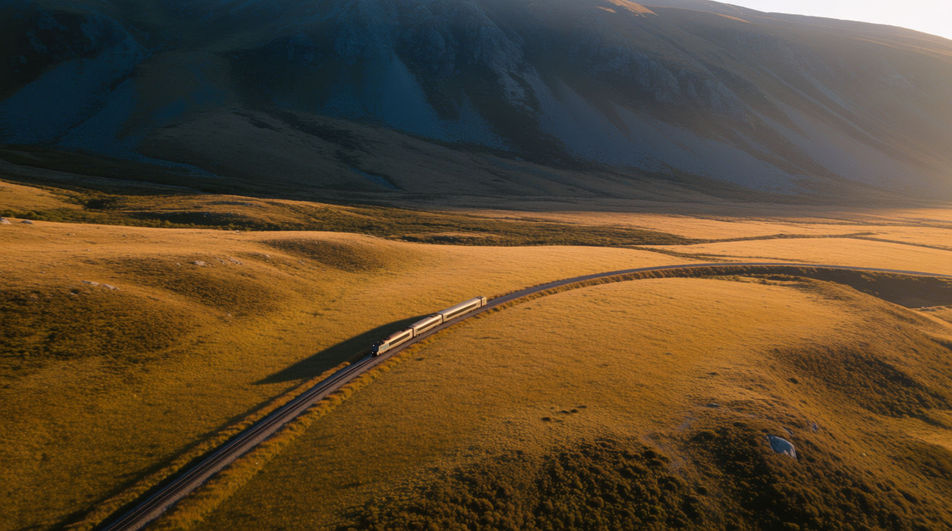
Steam exhaust dates a scene before a costume does, and the spacing of the bursts says how fast the era moved. Period drama and stylised game worlds both lean on it.
Edit prompt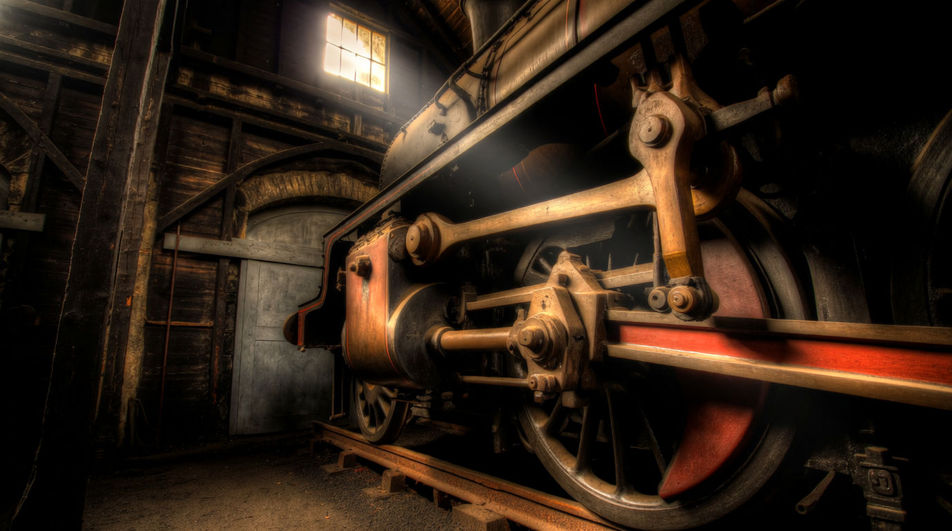
A dulled pass behind an interior scene puts a whole railway outside the wall for nothing. It also fills the world of an audio drama where there is no window at all.
Edit prompt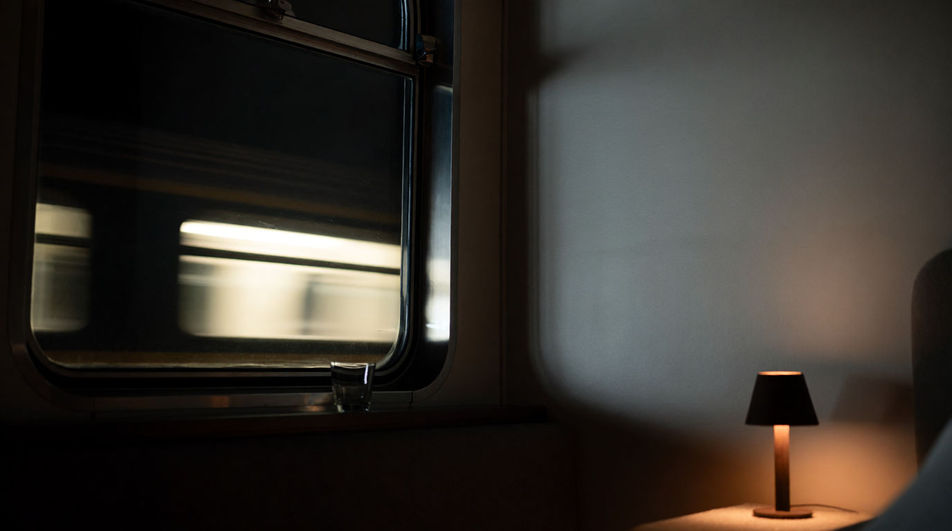
Motorcycle sound effects
Motorcycle sound effects: idles, revs, kick-starts and fly-bys. Generate the bike your scene rides and download it ready to place.
Police siren sound effects
Need police siren sound effects that match the action? Morphic generates them to your description, including approach and pass by moves.
Police sound effects
Generate police sound effects with Morphic. Radio chatter, handcuffs, whistles, and hard stops, in clean takes built around your scene.
Race car sound effects
Browse ready-made race car sound effects, then generate your own at the length your scene needs. Morphic makes sound, voice, image and video in one workspace.
Get started for free today, with the option to upgrade or cancel anytime.
Basic
2400 monthly credits
1 user only
All models
Workflows
Standard
3625 monthly credits
1 user only
All models
Workflows
Pro
6350 shared monthly credits
1 user
All models
Workflows
Max
24650 shared monthly credits
1 user
All models
Workflows
Enterprise
For higher limits
Custom
pricing and billing terms

Free
For playing around
$0
forever free